What happened at Elgin Community College
Elgin Community College, a public two-year institution roughly 40 miles northwest of Chicago, has become the center of a national argument about automated license plate readers after reports circulated in early October 2026 that the school tried to end its contract with surveillance vendor Flock Safety, could not get the cameras removed, and ultimately covered the lenses itself. According to the account that spread across technology forums and was picked up by local outlets, the covers were later removed without the college’s authorization, prompting renewed complaints from administrators and privacy advocates.
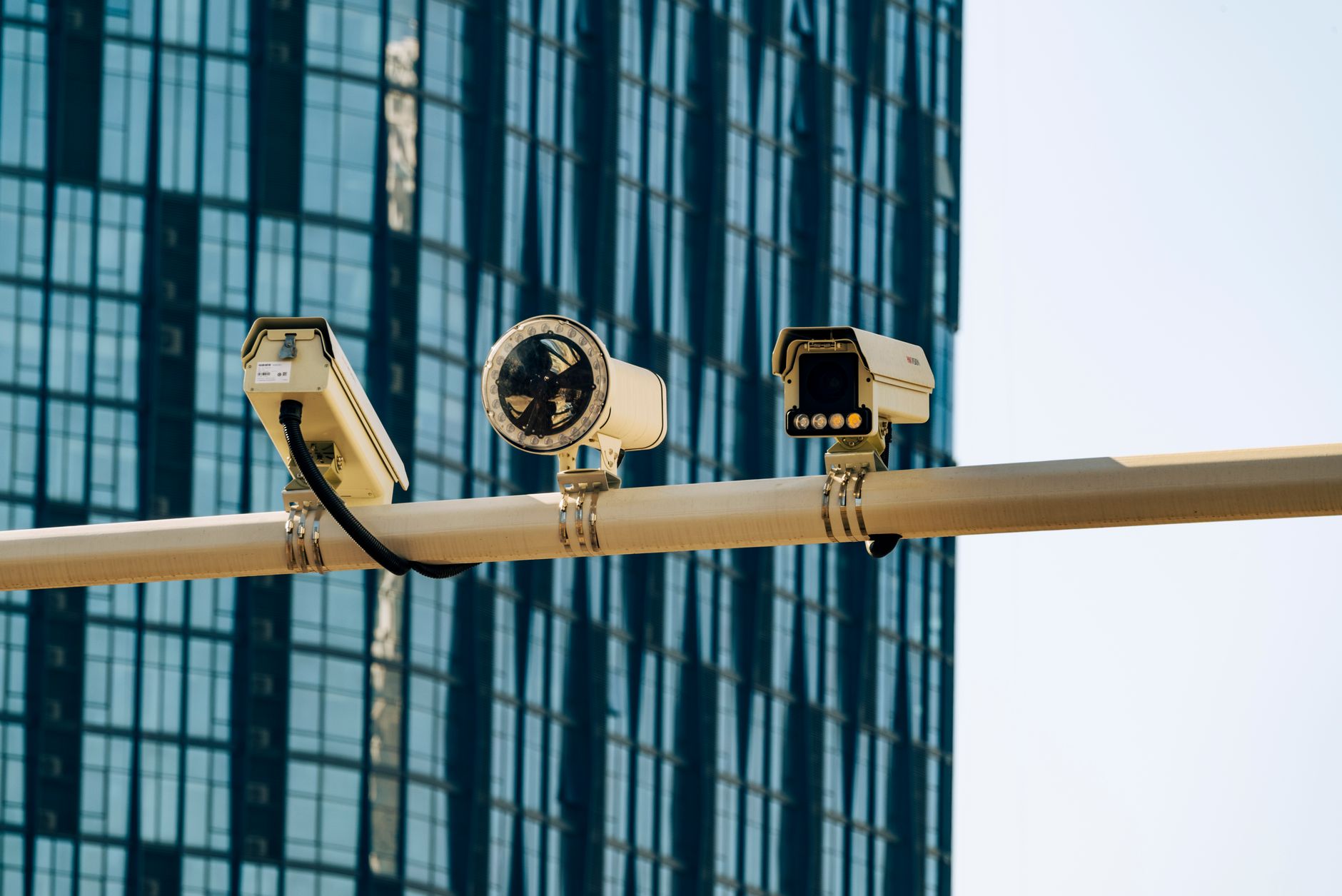
The core of the dispute is deceptively simple: who controls a camera bolted to a pole on public property once the customer wants out? Flock Safety’s hardware is typically installed, owned, powered and maintained by the company itself, with agencies and institutions paying an annual subscription for access to the data rather than buying the devices. That model is central to Flock’s rapid growth — and, critics say, central to why cancellation can turn messy.
How Flock’s contracts are structured
Flock Safety, founded in 2017 and based in Atlanta, markets solar-powered cameras that photograph passing vehicles and generate a searchable “vehicle fingerprint” — plate characters plus make, color, body type and distinguishing features such as roof racks or bumper stickers. The company says it works with thousands of US law enforcement agencies, plus private clients including universities, hospitals and homeowners’ associations.
Because the company retains ownership of the hardware, customers who want to end service generally must wait for Flock to schedule a de-installation crew. Several practical friction points follow from that arrangement:
- Term length. Flock agreements commonly run in one- or two-year terms with automatic renewal unless cancelled within a notice window.
- Removal scheduling. Physical removal depends on the vendor’s crews, not the customer’s timeline, which can leave cameras standing for weeks or months after a cancellation decision.
- Data retention. Flock has publicly stated a default 30-day retention period for most customers, but access, sharing and audit logs are governed by contract terms that vary by jurisdiction.
- Who may touch the device. Because the hardware is the vendor’s property, customers are often told not to modify or obstruct it — a clause that collides directly with a college’s interest in stopping collection on its own campus.
What is confirmed and what is still contested
NarwhalTV has not independently verified every element of the viral account, and readers should treat the sequencing with care. What appears consistent across reports is that the college moved to end the arrangement, that cameras remained in place afterward, and that staff physically obscured at least one device. The claim that Flock personnel returned and uncovered the cameras is attributed to college statements; the company has not publicly detailed its account of the visit at the time of writing.
Flock Safety has generally responded to similar controversies by saying it follows contractual obligations and local law, and that its cameras capture vehicles rather than faces. Privacy groups including the Electronic Frontier Foundation and the American Civil Liberties Union have argued the opposite emphasis: that a dense network of plate readers produces a detailed map of individual movement over time, regardless of whether a face is visible.
The question raised by Elgin is not whether plate readers work. It is whether a public institution can actually stop one once installation is complete.
Why this story resonated
The episode landed amid a run of US controversies over who can access plate reader data and under what oversight. Reporting over the past two years has documented searches run on behalf of out-of-state agencies, immigration-related lookups, and audits in several states that found policy violations in how databases were queried. Illinois is a notable venue because state law restricts certain uses of plate data, including queries tied to immigration enforcement or abortion-related investigations.
Campus surveillance adds a further wrinkle. Community colleges serve commuter populations, meaning nearly every student’s arrival and departure can be logged. Student governments and faculty senates at several institutions have pushed for disclosure of vendor contracts after learning cameras were approved at an administrative level without broad consultation.
The accountability gap
Independent researchers have repeatedly shown how little visibility the public has into these systems. Earlier this year, NarwhalTV examined a related claim about how easily plate-reader-style networks can be mapped and audited by outsiders in our report on YouTubers’ Flock-style police tracking claims, which illustrated how much of the debate now happens outside formal oversight channels. Similar dynamics have surfaced in workplace monitoring disputes, including the contested account we reviewed in a remote worker’s firing over webcam photos.
What to watch next
Three developments would clarify the Elgin case materially:
- The contract itself. Illinois public records law gives the college’s agreement a strong claim to disclosure, including termination terms and removal obligations.
- A company statement. Flock’s explanation of the site visit — authorized maintenance versus unilateral action — is the pivot point of the dispute.
- Board action. Any formal vote by the college’s trustees would establish whether termination was completed or merely requested.
For other institutions, the practical lesson is narrower than the headlines suggest. The friction at Elgin stems less from surveillance technology than from procurement language: vendor-owned hardware, automatic renewal, and no customer-side right to disable. Buyers negotiating such deals now have a concrete reason to insist on defined removal deadlines and an explicit right to shut the system off.
NarwhalTV has requested comment from Elgin Community College and Flock Safety and will update this report as verified details emerge.