Images chosen by Narwhal Cronkite
French Aircraft Carrier’s Location Exposed by Strava: A Growing Digital Security Threat
In an age where digital technology intersects seamlessly with the physical world, even the most guarded military operations can become vulnerable. This reality was driven home recently when the precise location of the French aircraft carrier Charles de Gaulle was exposed through a fitness tracking app, raising crucial concerns about digital security in military environments.
How a Jog Exposed a Top Military Asset
The breach occurred when a young naval officer aboard the Charles de Gaulle logged a 7-kilometer jog on Strava, a popular fitness tracking app. According to a report by France’s Le Monde, the sailor’s smartwatch publicly broadcast the geolocation of the activity, essentially revealing the real-time position of the French flagship in the Mediterranean Sea. Satellite imagery taken shortly after confirmed the distinctive outline of the carrier near Cyprus, some 100 kilometers from the Turkish coastline.
France’s Armed Forces General Staff acknowledged the incident and declared the post non-compliant with official digital security protocols. “Appropriate measures will be taken by the command,” they stated. Yet, investigations by Le Monde revealed this was not an isolated case, with at least one other incident of geolocated activity being posted from French naval assets.
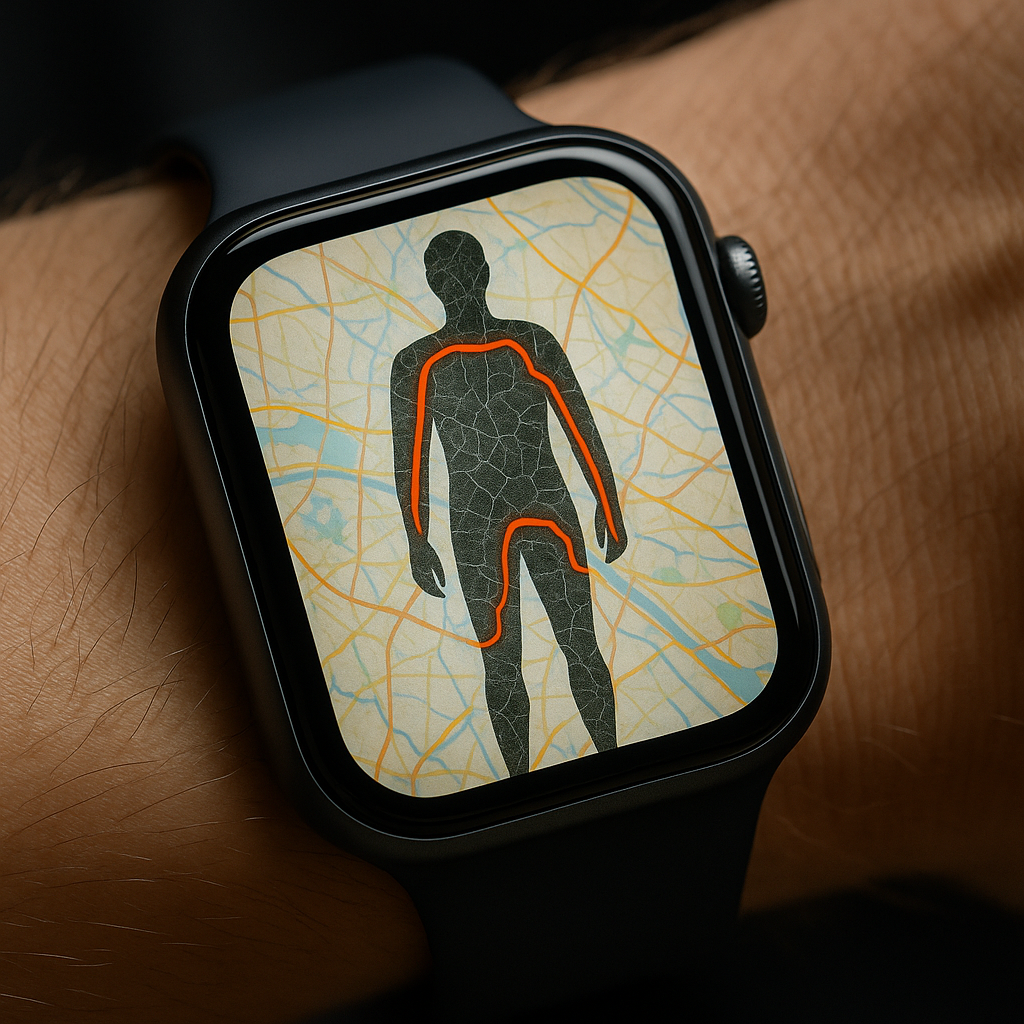
The Broader Issue: Technology’s Double-Edged Sword
This isn’t the first time fitness technology has inadvertently breached sensitive information. In 2018, US military bases were pinpointed through heat maps published by Strava, highlighting soldiers’ running routes. These instances underscore a troubling conundrum for military organizations: balancing the conveniences of modern tech with the imperative for operational security.
Strava, along with other geolocation-enabled apps, showcases the growing risks associated with wearable technology. Designed for public engagement and personal health, these tools can inadvertently become surveillance devices, exposing users’ locations, routines, and even classified details. For the military, this creates a high-stakes challenge, as seemingly innocuous activity can have severe geopolitical consequences.
Cybersecurity analyst Dr. Alan Corrigan suggests the core of the problem lies in awareness rather than technology itself. “Most wearable devices and apps offer sophisticated privacy controls, but users often fail to activate them or misunderstand their significance,” he explained. “The military must step up education around these tools.”
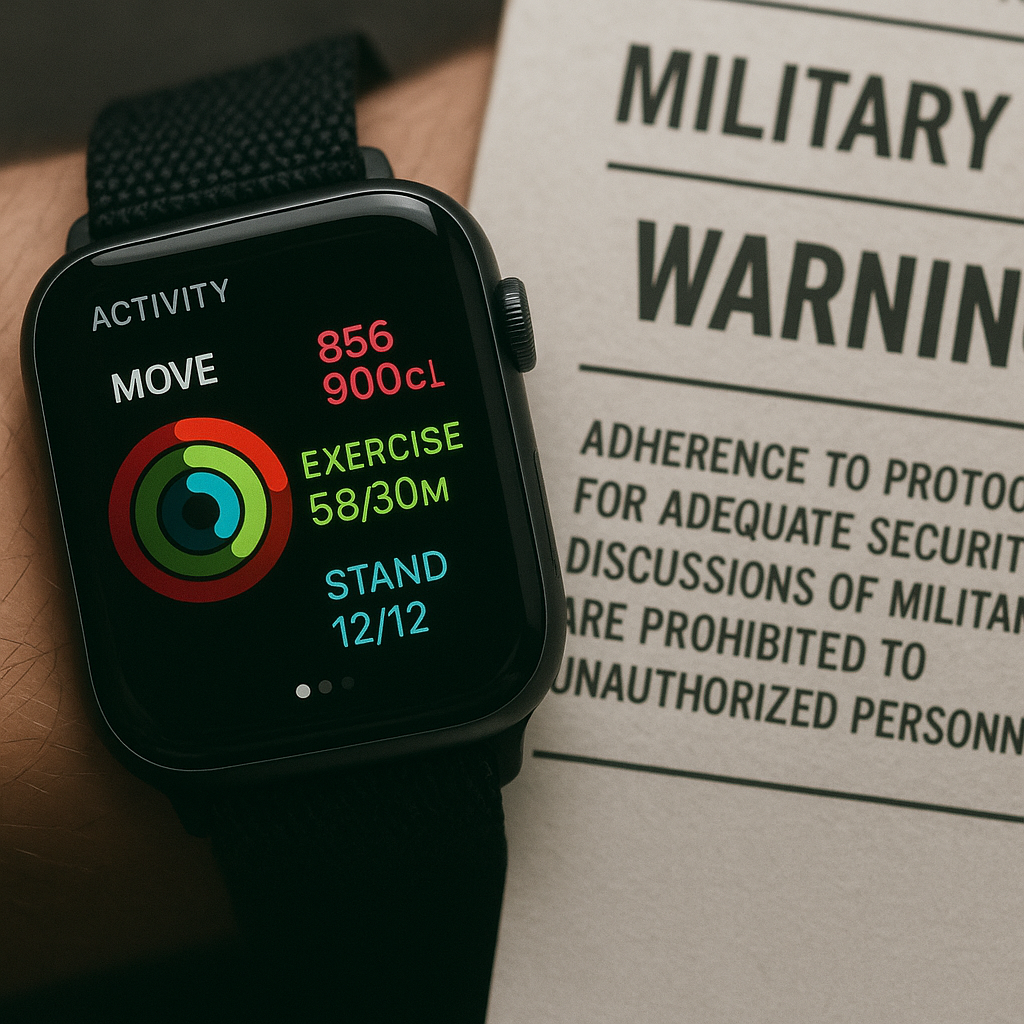
A Closer Look at the Charles de Gaulle Incident
The implications of the recent breach are amplified by the geopolitical backdrop. The Charles de Gaulle was deployed to the Eastern Mediterranean earlier this month in response to escalating tensions between the US-Israel coalition and Iran. France’s positioning of its nuclear-powered carrier in the region was strategic, demonstrating its influence and commitment to regional security.
While the general deployment of the carrier had been publicly announced, its precise location was classified. The inadvertent exposure through Strava jeopardizes operational secrecy, potentially providing critical intelligence to adversaries. “In the wrong hands, this information could have been weaponized,” said Lieutenant Marie Ferrand, a retired French naval strategist. “It’s the type of vulnerability that can put lives at risk.”
The French Navy has faced scrutiny in the past regarding its digital policies. The current incident is likely to prompt reviews of protocols governing personal devices, particularly as military forces increasingly rely on connected tech for communications, navigation, and operational support.
Strava and the Responsibility of Tech Companies
Strava, like other tech companies, has faced criticism for the inadvertent exposure of sensitive information through its platform. In response to past incidents, the company implemented features allowing users to switch off geolocation or set activity routes to private. Yet, these safeguards rely on user compliance.
“Tech firms have a responsibility to make their privacy features both accessible and intuitive,” said Emma Tylor, a digital rights advocate. “However, users must also take ownership of their digital behavior, particularly in contexts where the stakes are as high as national security.”
Strava’s privacy and safety features include customizable privacy zones and maps that can exclude sensitive areas. Despite this, oversight by users remains a persistent issue. Strava has yet to comment formally on this latest breach but has emphasized in the past that it is committed to improving user safety and privacy.

The Path Forward: Bridging the Digital Security Gap
The Charles de Gaulle incident highlights a broader challenge for military organizations globally: adapting to a digital-first world. While cybersecurity is often focused on hacking and external threats, internal vulnerabilities—like the misuse of wearables—demand equal attention.
Experts argue that stricter policies around personal tech use during deployments must be reinforced. Some suggest banning connected devices outright during high-risk operations, while others advocate for training programs that teach soldiers how to use these tools responsibly.
“It’s not just about punishment or policy enforcement,” said Corrigan. “It’s also about building a culture of digital literacy within the military. Soldiers need to understand why these precautions exist, not just follow orders blindly.”
The incident also raises questions about how other nations safeguard their military operations against similar breaches. If a high-profile French carrier can be exposed, are other militaries prepared to prevent similar incidents? Analysts warn that adversaries could begin actively monitoring open platforms for similar vulnerabilities, further exacerbating global security risks.
What’s Next: Security Amid Rapid Technological Change
For France, the immediate focus will likely shift to implementing stricter safeguards and re-educating personnel about digital security. In the broader context, the incident highlights a growing need for all militaries to reevaluate tech adoption policies amid the rapid rise of consumer wearables.
Observers will closely monitor the response from tech companies like Strava, given their pivotal role in these controversies. Enhanced default privacy settings or targeted campaigns educating high-risk groups, such as military personnel, could serve as long-term solutions.
Importantly, this episode serves as a wake-up call not just for governments but for individuals worldwide. In a hyperconnected world, the boundary between convenience and vulnerability grows thinner every day. By staying informed and proactive, organizations and users alike can navigate these challenges more effectively.
As the Charles de Gaulle continues its mission in the Mediterranean, one thing is clear: protecting sensitive information in the digital age requires constant vigilance—and adaptation.