Images chosen by Narwhal Cronkite
World Health Organization Prepares for Nuclear Scenario, Including Weapons Use in Iran
As tensions in the Middle East continue to mount, the World Health Organization (WHO) has shifted its focus to preparing for potential nuclear-related incidents in Iran and the surrounding region. Whether resulting from strikes on nuclear facilities or the grave possibility of nuclear weapons usage, experts warn that the consequences could ripple across the globe for decades to come.
Addressing the Risks of Nuclear Emergencies
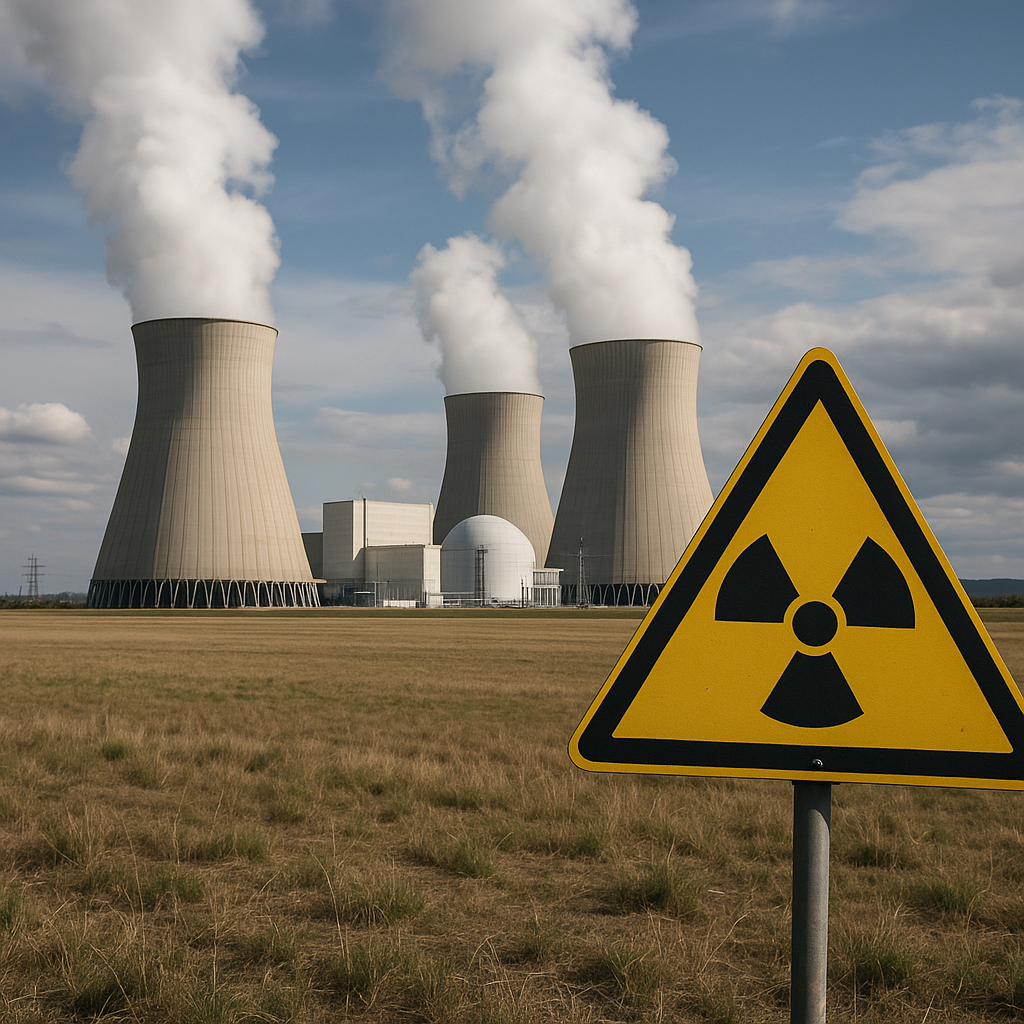
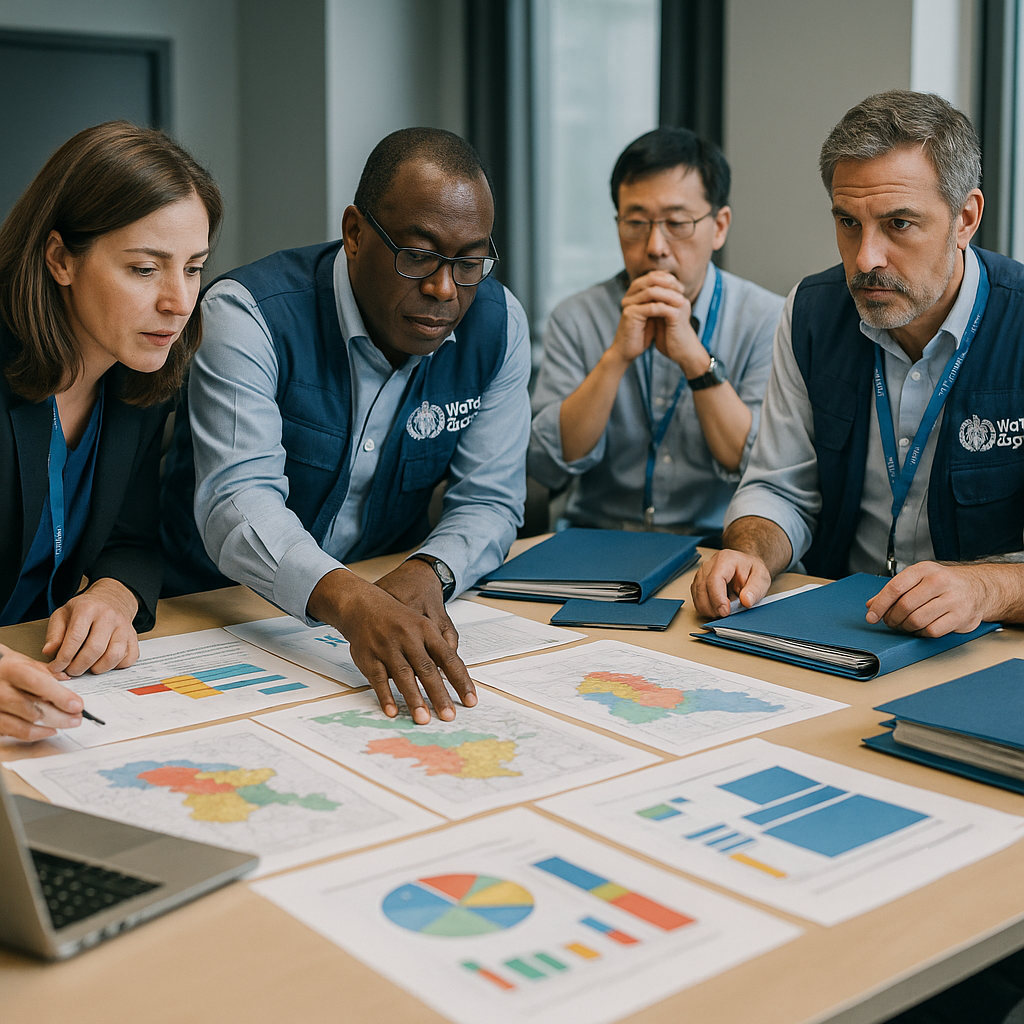
According to reports from Politico and corroborated by WHO officials, the organization’s preparation comes amidst ongoing strikes on Iran’s nuclear infrastructure. These developments have raised critical concerns about radiation leaks, environmental damage, and public health crises. WHO Regional Director for the Eastern Mediterranean, Dr. Hanan Balkhy, emphasized that preparations span various scenarios—from facility attacks to the deployment of nuclear weapons in potential conflict zones.
Dr. Balkhy stated, “Staff are ready for a nuclear incident, including an attack on a nuclear facility or the use of weapons. The enormity of the impact requires readiness at all levels—public health, disaster response, and international collaboration.”
Radiation-related risks compound the challenges posed by conventional warfare. Experts argue that the fallout would not only devastate the immediate area but also lead to long-term health consequences such as cancers, genetic mutations, and ecosystem destabilization.
Why the Timing is Significant
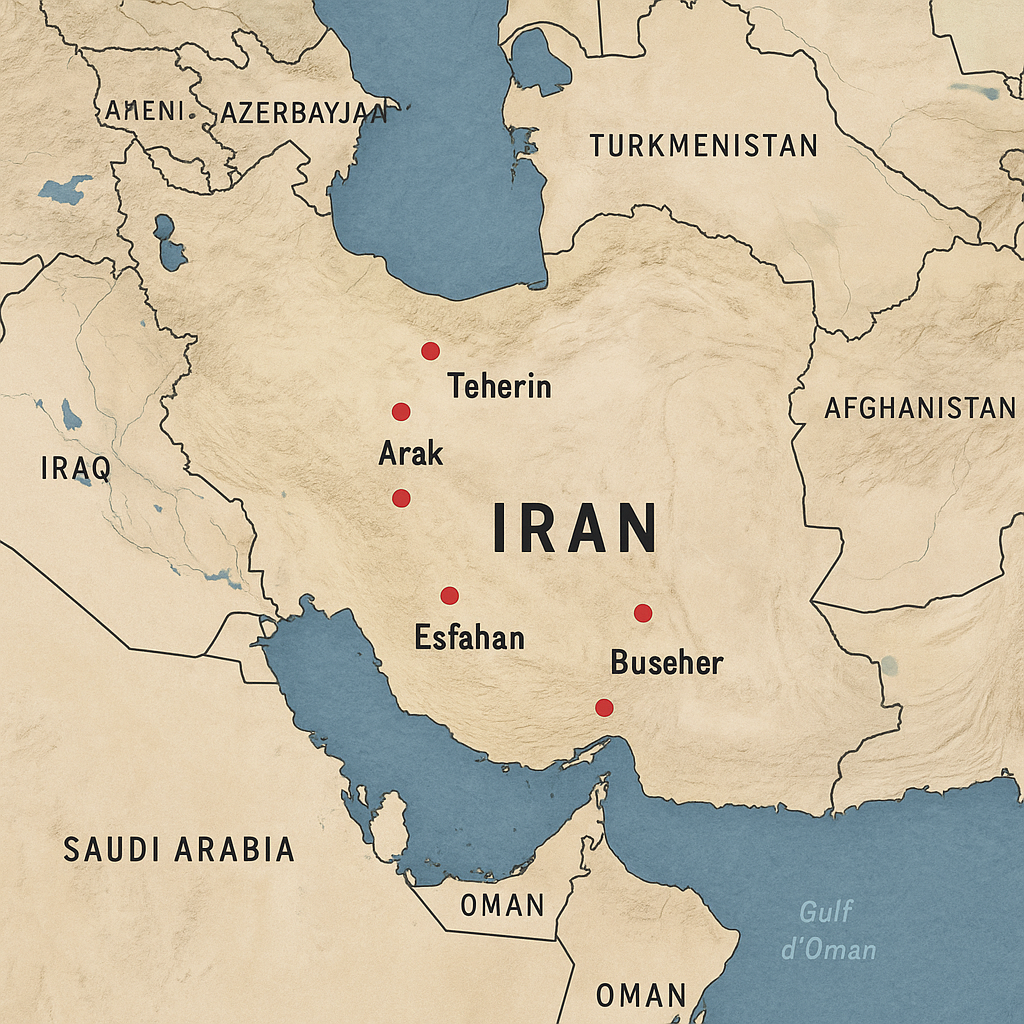
Recent attacks, such as the March 12 strike on Iran’s Taleghan nuclear compound near Tehran by the Israeli Air Force, have brought increased urgency to WHO’s actions. The strike reportedly targeted infrastructure thought to be critical for uranium enrichment programs. While geopolitical tensions surrounding Iran’s nuclear ambitions are decades old, the escalation in direct attacks hints at a broader, more dangerous horizon.
The global health repercussions of these events are evident. Radiation exposure does not respect borders, and contamination could easily spread into neighboring countries. Furthermore, the threat isn’t confined to the Middle East; prevailing winds, water distribution systems, and supply chains could carry contaminants far afield.
How Prepared Is the International Community?
In response to this unique threat, WHO has updated its internal protocols and guidance documents to assist governments and responders in the event of a nuclear-related crisis. These guidelines cover evacuation plans, medical treatment for radiation exposure, and long-term strategies for environmental remediation.
However, analysts are raising questions about global readiness for such scenarios. “Nuclear emergencies require a coordinated international response that transcends politics,” said Dr. Amir Khalil, a radiation expert based in Dubai. “Countries sharing borders via trade routes or weather systems need to collaborate more effectively. Organizations like WHO play a pivotal role in ensuring this happens.”
The International Atomic Energy Agency (IAEA) concurs, stressing the importance of transparency regarding nuclear infrastructure. The IAEA also highlighted the need for improved monitoring systems and stronger safeguards within Iran’s nuclear facilities to prevent unintentional accidents.
Historical Context: Lessons from Past Incidents
The urgency behind WHO’s actions has roots in historical examples of nuclear disasters. From Chernobyl to Fukushima, the ramifications of nuclear emergencies extend decades beyond the initial event. The aftermath of Chernobyl, for instance, affected approximately 5 million people in Ukraine, Belarus, and Russia, with an increase in thyroid cancers further illustrating long-term impacts.
What’s particularly alarming is the dual threat posed by nuclear weapons use. Unlike accidental fallout, weaponized events involve deliberately targeting populations or infrastructure, heightening the devastation and ethical concerns surrounding nuclear war. These scenarios underline why global health organizations are proactively preparing for all contingencies in regions like Iran.
What’s Next for Global Health Security?
As WHO continues to anticipate worst-case scenarios, governments within the Middle East and globally must also act with urgency. Developing cross-border partnerships to share medical technology, expertise, and disaster response frameworks will be critical. Some nations have volunteered resources for rapid radiation detection and isolation systems, which could play a significant role in future crises.
It will also be important for the media to keep the public informed without causing unnecessary panic. Transparency on the risks and steps being taken to mitigate them will be central to any effective emergency response.
Implications and What to Watch For
The situation in Iran poses an existential challenge not only for regional stability but also for global health security. Key questions remain: Will WHO’s preparedness convince countries to scale back military escalations near nuclear sites? How will international organizations like the IAEA enforce safety standards? And crucially, can diplomacy avert a potential catastrophe?
What we watch for in the coming months will determine the course of health and environmental security for generations. One thing, however, is clear—proactive measures today could save countless lives tomorrow.