Three lions have died at a zoo in Japan this week as the country endures another brutal summer heat wave, according to a report from BBC News. The deaths have reignited concerns about how extreme temperatures are affecting captive animals across Japan, where summers have grown progressively hotter and longer in recent years.
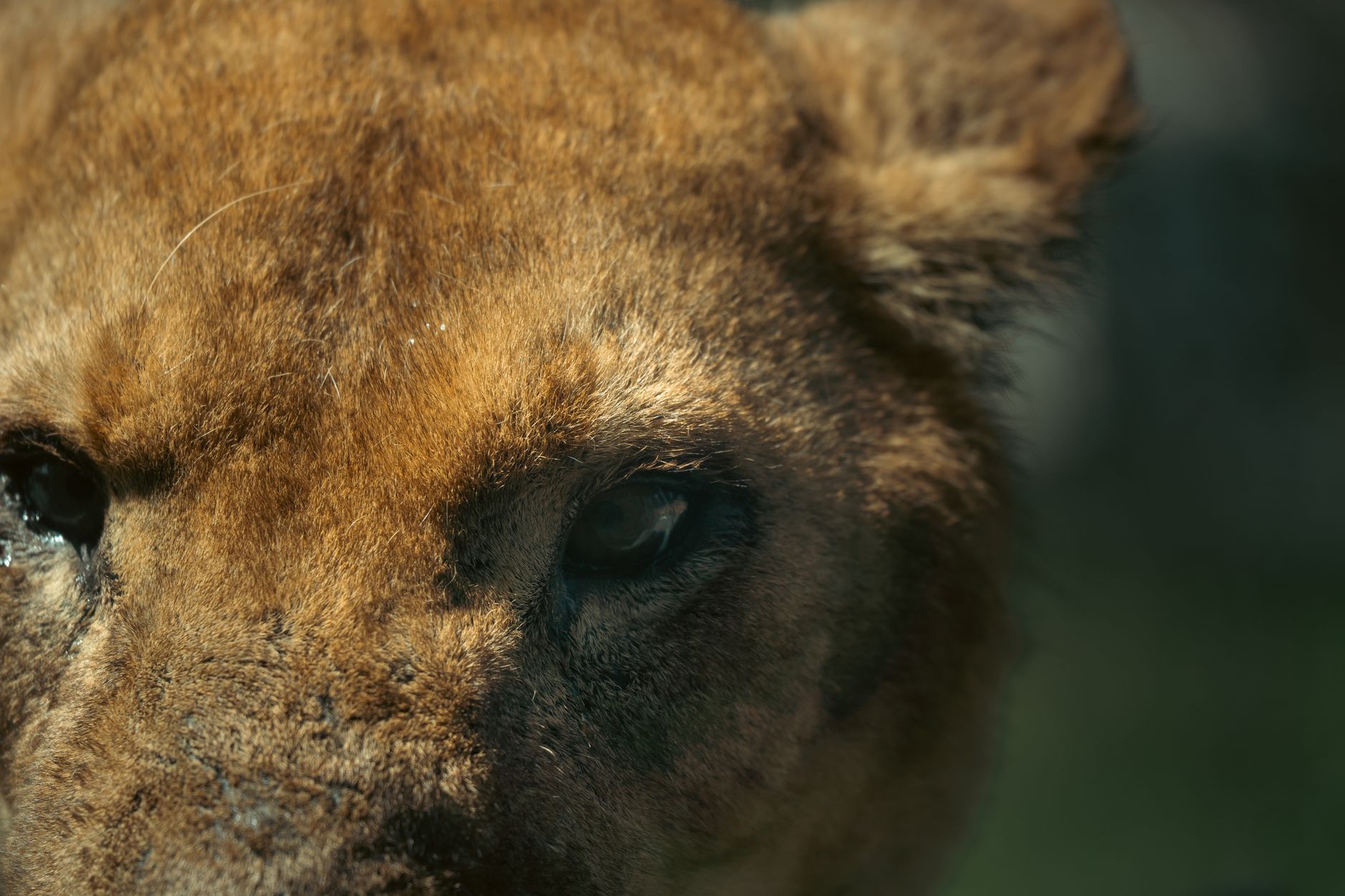
Zoo staff reported that the animals showed signs of distress in the days before they died, prompting an internal review into whether heat stress played a direct role. Officials have not ruled out other contributing health factors, but the timing has drawn immediate attention given the punishing conditions gripping much of the country.
A Summer of Record-Breaking Heat
Japan has faced a string of dangerously hot summers in recent years, with the Japan Meteorological Agency repeatedly issuing heatstroke alerts across dozens of prefectures. Temperatures well above 35 degrees Celsius (95 degrees Fahrenheit) have become routine in major cities during peak summer months, straining public health systems, agriculture, and infrastructure alike.
The extreme heat has not been limited to human populations. Zoos, farms, and wildlife sanctuaries across the country have had to adapt rapidly, installing misting systems, shaded enclosures, and chilled water stations in an effort to protect animals unaccustomed to such prolonged, intense heat. Large mammals like lions, which are more commonly associated with the arid but generally drier climates of sub-Saharan Africa, can be particularly vulnerable to Japan’s combination of high heat and extreme humidity.
Why Humidity Makes the Difference
Veterinarians and zoologists have long noted that it is not simply high temperatures that pose the greatest risk to animals, but the compounding effect of humidity, which impairs the body’s ability to cool itself through evaporation. Japan’s summer heat waves are typically accompanied by humidity levels that make actual conditions feel significantly hotter than the thermometer suggests, a dangerous combination for species not evolved for such environments.
Animal welfare advocates say the incident underscores a broader challenge facing zoos worldwide: adapting decades-old enclosures and care protocols to a climate that is shifting faster than many facilities can keep pace with.
Zoo Response and Investigation
Following the deaths, the zoo said it was reviewing its heat-mitigation protocols and consulting with veterinary specialists to determine the precise cause. Such investigations typically include necropsies, examination of enclosure conditions, and review of the animals’ recent health records to rule out unrelated illness.
Japanese zoos have increasingly turned to a range of interventions during peak summer months, including:
- Providing ice blocks and frozen treats to help animals regulate body temperature
- Installing outdoor misting and sprinkler systems in enclosures
- Limiting outdoor access during the hottest parts of the day
- Increasing air conditioning and shaded retreat spaces indoors
- Adjusting feeding schedules to cooler morning and evening hours
Despite these measures, officials acknowledge that some animals remain at heightened risk when heat waves are unusually prolonged or intense, as has increasingly been the case in Japan over the past several summers.
Part of a Broader Pattern
The lion deaths come amid a string of extreme-weather and climate-related stories out of Japan this year. The country has also been grappling with the fallout of a deadly 7.1-magnitude earthquake that triggered a mall collapse killing several people, as well as long-term demographic pressures highlighted by news that Japan’s population has fallen below 120 million. Taken together, these events reflect a nation confronting overlapping environmental, seismic, and demographic strains.
Climate researchers have repeatedly pointed to Japan as a case study in how rising global temperatures are reshaping everyday life in developed, densely populated nations. Record heat has forced schools to cancel outdoor activities, prompted governments to expand cooling shelters for elderly residents, and pushed businesses to rethink operating hours during the hottest stretches of summer.
What Happens Next
The zoo has not publicly released a timeline for when its investigation into the lions’ deaths will conclude. Animal welfare organizations in Japan are expected to monitor the findings closely, and some have called for standardized national guidelines on heat management for zoos, rather than leaving protocols to individual facilities.
In the meantime, meteorologists say there is little relief in sight, with forecasts suggesting the current heat wave could persist for at least another week across large parts of Japan. Zoos, wildlife parks, and animal shelters nationwide are being urged to remain on heightened alert as the country moves through what is shaping up to be one of its hottest summers on record.
The incident serves as a stark reminder that the effects of extreme heat extend well beyond human populations, touching ecosystems, agriculture, and the animals in humanity’s care in ways that are becoming harder to ignore each passing summer.