LG televisions captured clean microphone audio while their screens appeared to be powered down, continuously scanned the local network for other devices, and logged the names and signal strengths of neighboring Wi-Fi networks, according to an investigation published this week by Gamers Nexus in collaboration with Level1Techs and independent security researchers.
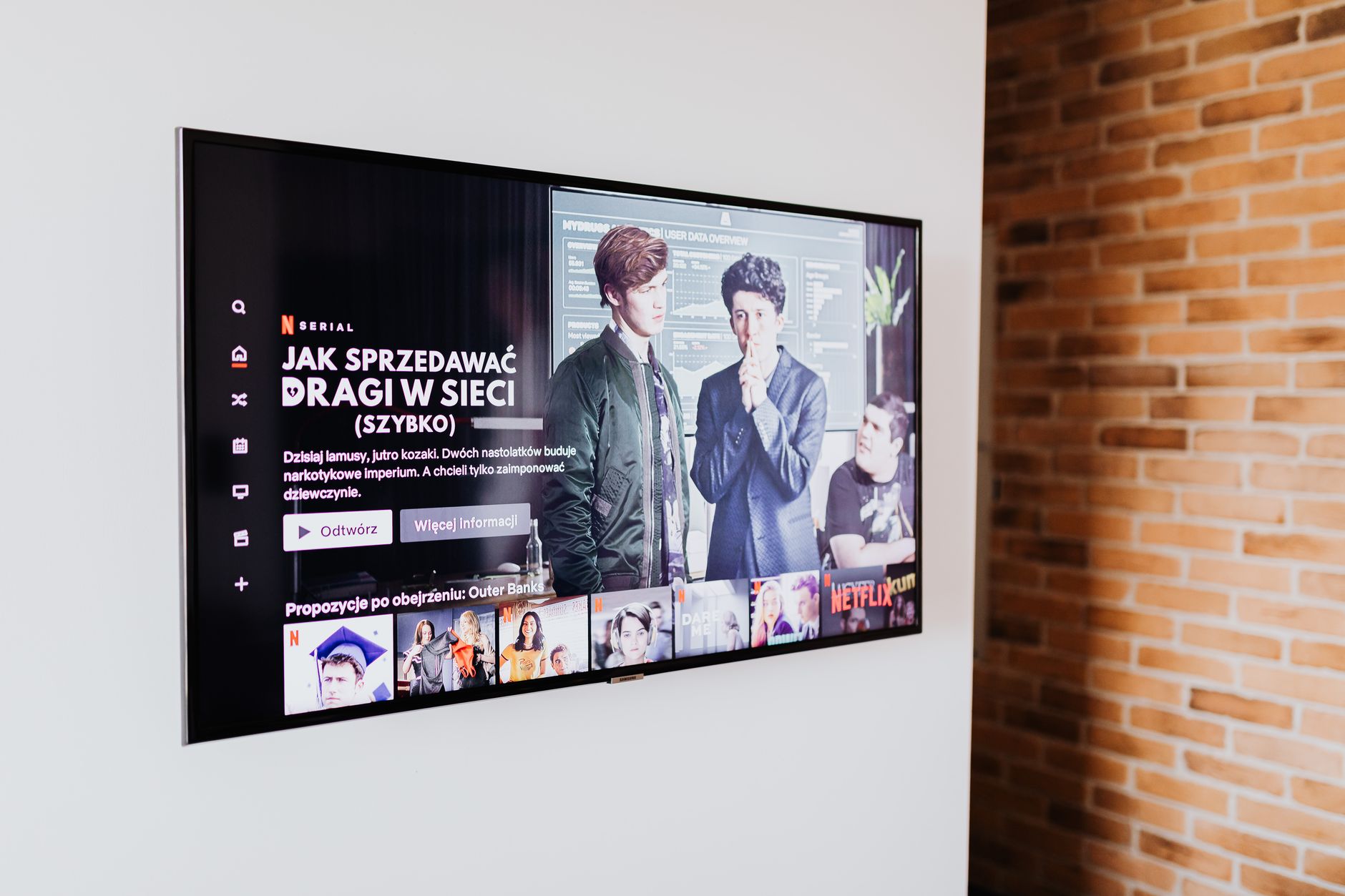
The findings, laid out in a 135-minute video and summarized by Notebookcheck, are based on packet capture from LG OLED sets including the G5. LG had not commented on the research as of publication.
What the TVs were doing
The researchers put the sets on an instrumented network and watched what left them. The traffic showed several categories of collection running in parallel:
- Microphone audio with the screen off. In the researchers’ words, “the TV could capture clean microphone audio while the screen was (or at least looked to be) powered down.”
- Local network scanning. The sets enumerated internal IP addresses of other devices on the network, including phones and smartwatches.
- Wi-Fi surveying. Names and signal strengths of neighboring networks, which is enough to place a household geographically without ever asking for a location.
- Automated Content Recognition. ACR fingerprints what appears on screen and logs viewing habits, including content from external devices the TV knows nothing else about.
One detail is harder to explain away than the rest. When the researchers cut the TV off from the internet, it did not stop collecting – it stored voice data locally and uploaded the files once the connection came back. That is a deliberate design decision, not an artifact of a listening feature left running.
Where the data goes
The collection feeds LG Ad Solutions, the company’s targeted advertising division. The scale involved explains why the division exists: LG has reported roughly 216 million smart TV sales globally, and its ad arm claims access to 363 million secondary devices in the United States alone.
That second number is the one worth sitting with. Secondary devices are the phones, tablets and watches that a television can see on the same network. Linking a household’s viewing to the specific handsets in the room is what converts a TV from an appliance into an identity graph, and it is the product being sold.
Television margins have been thin for a decade. Manufacturers sell panels close to cost and make money afterward, through advertising, data licensing and placement in the home screen. The hardware is the acquisition cost for the customer relationship.
The security findings
Alongside the telemetry, security researchers documented remote code execution vulnerabilities in webOS, the operating system LG’s sets run. Remote code execution on a device sitting inside a home network is a serious class of bug: the television is a trusted host with a view of every other device, and it is rarely patched on the cadence a phone or laptop receives.
The combination is what raises the stakes. A device that scans the local network, holds a microphone, and carries exploitable software is a more attractive target than a device that merely shows pictures.
What owners can actually do
The researchers’ recommendation is blunt: disconnect the television from the internet entirely and drive it with an external streaming device. That is more practical than it sounds, and it is the only measure that stops all of the behavior at once.
For owners unwilling to go that far, partial steps help unevenly:
- Turn off ACR in the privacy settings, usually buried under a name like “Live Plus” or viewing information services.
- Decline the additional terms presented at setup – the viewing agreement and advertising consent are separate from the basic terms of use.
- Disable voice features and, on sets that have one, use the physical microphone switch.
- Put the TV on a guest network or an isolated VLAN, which blocks the local device scanning even if the set stays online.
None of those are guaranteed to survive a firmware update, which is the structural weakness of settings-based privacy on a device the manufacturer continues to control.
The wider pattern
Nothing here is unique to LG. Samsung, Roku, Vizio and Amazon all run content recognition and advertising businesses on their platforms, and Vizio settled with the Federal Trade Commission and New Jersey regulators years ago over viewing data collected without adequate disclosure. What this investigation adds is measured evidence rather than inference – captured traffic showing specific behavior on specific hardware, including behavior that continued while the device was disconnected.
Whether that produces a regulatory response is a separate question. Consent for most of this was granted, technically, in an onboarding flow that few buyers read and none can meaningfully decline while keeping a working television.