The U.S. Postal Service will raise the Forever stamp price from 77 cents to 82 cents this Sunday, July 13, 2026, according to CBS News. The 5-cent jump, approved by the Postal Regulatory Commission, applies to all first-class mail sent on or after that date.
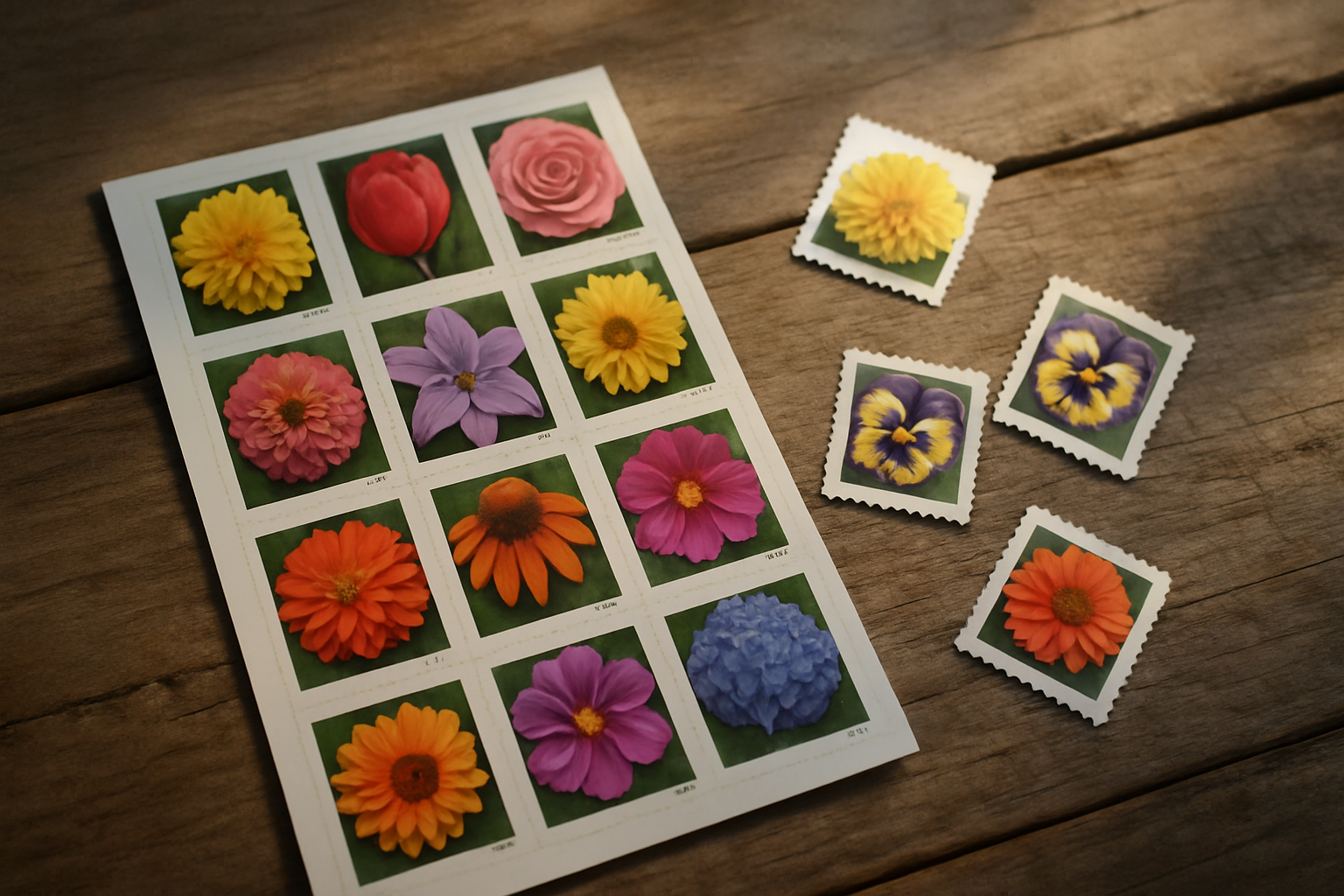
One detail that isn’t in the headline: this is the sixth Forever stamp price hike since 2019, when a stamp cost just 55 cents. That means the price of mailing a letter has climbed nearly 49 percent in seven years.
Why USPS is raising postal rates again in 2026
The Postal Service has been operating at a financial loss for years, driven by declining first-class mail volume and rising labor and fuel costs. USPS has leaned on rate increases as a primary lever for closing that gap. The Postal Regulatory Commission granted the agency authority to implement above-inflation increases through a 10-year pricing plan that began in 2021, and this July hike is part of that ongoing schedule.
First-class mail volume has dropped sharply as households and businesses shift to email and digital billing. USPS handled roughly 48 billion pieces of first-class mail in fiscal year 2025, down from more than 98 billion in 2006. Fewer letters means less revenue per delivery route — and higher per-piece costs.
What the 82-cent stamp covers — and what costs more
The new 82-cent rate covers a standard one-ounce letter sent anywhere in the United States. Additional ounces will cost 24 cents each, up from 22 cents. Postcard stamps will rise to 68 cents, and international letters to destinations like Canada and Mexico will cost $1.65.
The “Forever” designation means any stamp bought before Sunday — at 77 cents — remains valid for first-class postage indefinitely, regardless of future price increases. That makes the next 48 hours a genuine, no-downside opportunity to stock up if you mail regularly.
USPS sells stamps online at store.usps.com, at post offices, and at most grocery stores and pharmacies. Bulk stamp booklets of 20 run $15.40 at current prices — going up to $16.40 after Sunday.
How the USPS hike compares to past increases
For context, the Forever stamp was 49 cents as recently as 2014. The price held steady or changed by a single cent for most of the 2010s before USPS began accelerating hikes under its new pricing authority:
- 2019: 55 cents
- 2021: 58 cents
- 2022: 60 cents, then 63 cents (two hikes in one year)
- 2023: 66 cents, then 68 cents
- 2024: 73 cents
- 2025: 77 cents
- July 13, 2026: 82 cents
The 5-cent increase from 77 to 82 cents is the largest single jump in dollar terms since the program began — though as a percentage, the 6.5% rise is roughly in line with recent annual hikes.
Who actually still mails letters in 2026?
While most personal communication has moved online, first-class mail still moves millions of pieces of physical mail daily. Small businesses sending invoices, older Americans paying bills by check, legal and medical offices sending required paper notices, and greeting-card senders all depend on the postal system. For those users, an 82-cent stamp — up from 37 cents in 2008 — represents a real and compounding cost.
Nonprofits and political campaigns that rely on direct mail for fundraising will also feel the pinch, since even a fraction-of-a-cent increase per piece adds up fast across large mailings.
For consumers interested in how rising costs ripple through everyday spending, the USPS rate increase echoes broader trends in services inflation — similar to debates around how Americans are rethinking discretionary spending as fixed costs keep climbing.
USPS delivery standards aren’t changing with the price
Despite the higher cost, the agency is not adjusting its delivery standards alongside this rate change. First-class mail delivery targets remain at one to five business days depending on distance, the same benchmarks USPS has held since it extended delivery windows in 2021. Critics, including the mailing industry trade group Association for Postal Commerce, have argued that prices should not increase without corresponding improvements in service reliability.
Postmaster General Louis DeJoy’s 10-year “Delivering for America” plan, launched in 2021, promised to return USPS to financial stability by fiscal year 2023 — a target the agency missed. The plan remains in effect, with rate increases expected to continue annually through at least 2027.
If you haven’t already, buying a few books of Forever stamps before Sunday is the clearest, lowest-risk hedge against the next hike — because if USPS’s pricing trajectory holds, 82 cents won’t be the ceiling for long.