The Los Angeles Homeless Services Authority (LAHSA) is set to release new figures from its annual point-in-time count, with early projections indicating a 3.4% increase in homelessness across Los Angeles County. The count, conducted earlier this year by thousands of volunteers and outreach workers, is the primary tool officials use to measure the scale of the crisis and direct federal and state funding.
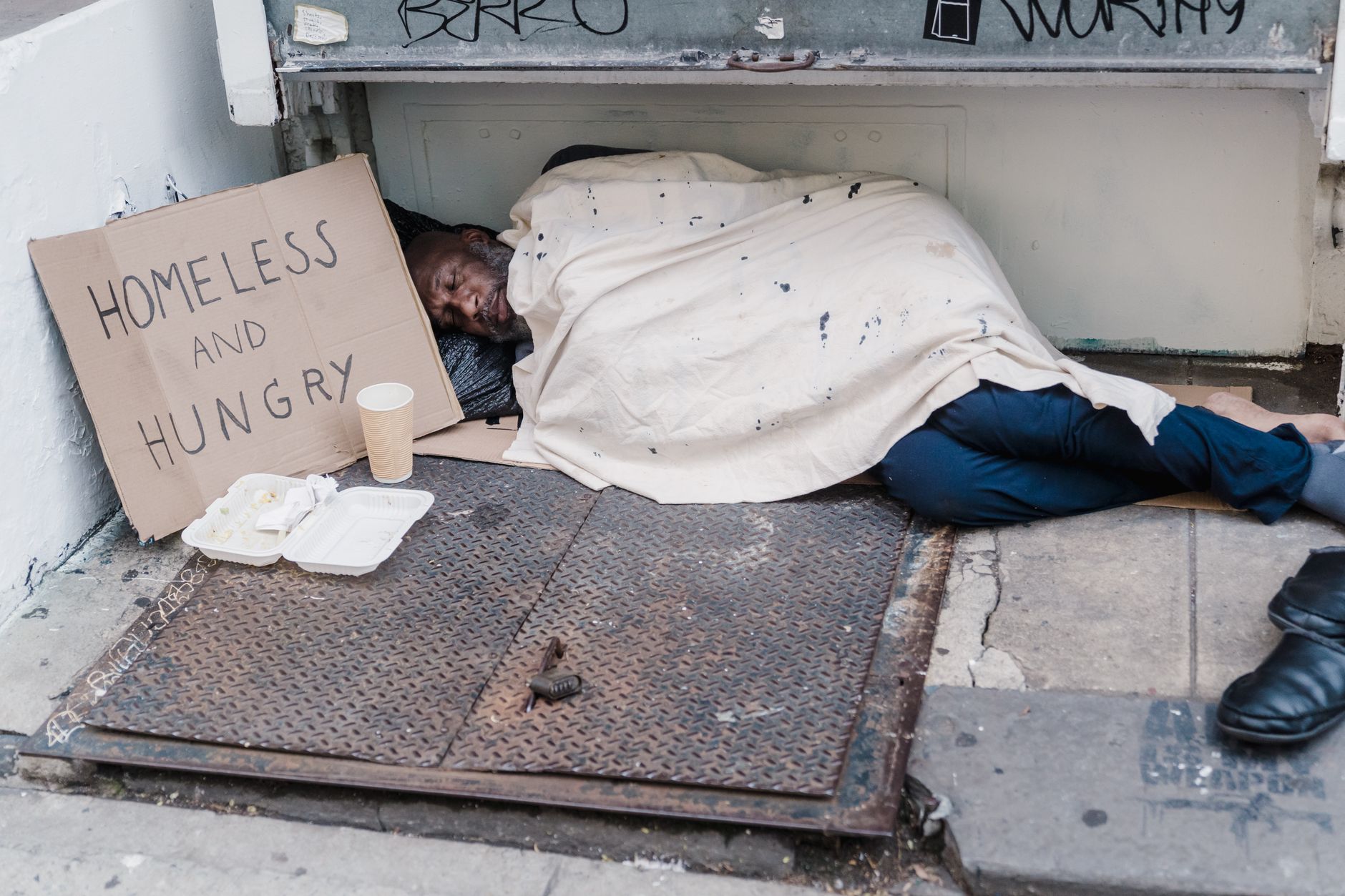
If confirmed, the increase would mark a reversal after two consecutive years in which LAHSA reported modest declines in the homeless population, gains city and county leaders had pointed to as evidence that expanded shelter beds and housing programs were beginning to work.
What the Count Measures
The point-in-time count is a federally mandated snapshot conducted over a single night in January, tallying both sheltered individuals staying in shelters, transitional housing, and other temporary programs, and unsheltered people living in tents, vehicles, or on the street. Volunteers fan out across neighborhoods before dawn, working from maps and prior-year data to estimate how many people are living without permanent housing.
Because the count relies on visual observation and sampling methods rather than a full census, researchers caution that year-to-year swings can reflect changes in methodology, weather conditions, or enforcement activity as much as genuine shifts in the underlying population. Still, the count remains the benchmark used by the U.S. Department of Housing and Urban Development to allocate hundreds of millions of dollars in homelessness assistance funding to the region each year.
Why Officials Expect a Rise
LAHSA and county officials have pointed to several converging pressures behind the anticipated increase. Rents across Los Angeles County have continued to climb faster than wages for lower-income workers, while the expiration of pandemic-era rental assistance and eviction protections in recent years has pushed more households to the brink. Inflation in food and utility costs has further squeezed people already living paycheck to paycheck.
Outreach workers have also reported that shelter and interim housing beds, while expanded under city and county initiatives such as Inside Safe, remain insufficient to keep pace with the number of people falling into homelessness for the first time. Advocates say that without a comparable increase in permanent, affordable housing stock, temporary shelter placements alone cannot produce lasting reductions in the count.
A National Pattern
Los Angeles is not alone in confronting a resurgence in visible homelessness. Cities across the country have reported similar pressures this year, and the strain has occasionally turned violent, as seen in the shootings at a Minneapolis homeless encampment that left more than a dozen people injured. Other regions have seen the crisis compounded by unexpected sources, including reports that Ohio nursing homes have been discharging patients directly to homeless shelters, a practice that has drawn scrutiny from state regulators and patient advocates.
In Los Angeles, the anticipated increase also arrives against the backdrop of a broader national debate over how cities should balance encampment clearances, mental health and addiction treatment, and long-term housing construction. Los Angeles Mayor Karen Bass has staked much of her tenure on reducing street homelessness through the Inside Safe program, which moves people from encampments into hotels and motels converted into interim housing. City officials have said thousands of people have been brought indoors through the initiative since it launched, though many participants have since cycled back onto the street or into other forms of temporary housing rather than permanent placements.
What Comes Next
LAHSA is expected to formally present the full results to the Los Angeles County Board of Supervisors and the Los Angeles City Council in the coming weeks, along with a demographic breakdown of who is affected, including data on unsheltered versus sheltered individuals, family status, and rates among veterans and youth. Those figures will shape budget negotiations for the next fiscal year, as city and county leaders decide how to allocate limited resources between shelter expansion, permanent supportive housing construction, and street outreach.
Homelessness researchers have long cautioned that a single year’s count should not be read as a verdict on any one policy, but rather as one data point in a longer trend line shaped by housing costs, economic conditions, and the availability of services.
Housing advocates say the expected increase should prompt renewed urgency around building deeply affordable housing units, rather than relying primarily on temporary shelter beds. County officials, for their part, have noted that Los Angeles continues to face one of the most severe shortages of affordable housing in the nation, a structural gap that outreach programs alone cannot close.
The final, verified numbers from the 2026 count are expected to be published in the coming weeks, giving policymakers, service providers, and residents a clearer picture of how the crisis has evolved and what resources will be needed to address it in the year ahead.