Images chosen by Narwhal Cronkite
Nearly 60 Idahoans Fall Ill After Drinking Raw Milk: A Closer Look
In the past two weeks, nearly 60 residents of Idaho have reported illnesses linked to the consumption of raw milk. Public health officials have linked the outbreak of gastrointestinal symptoms to bacteria commonly found in unpasteurized dairy products, raising renewed questions about raw milk’s safety and regulations.
The Raw Milk Debate: Risks vs. Rewards
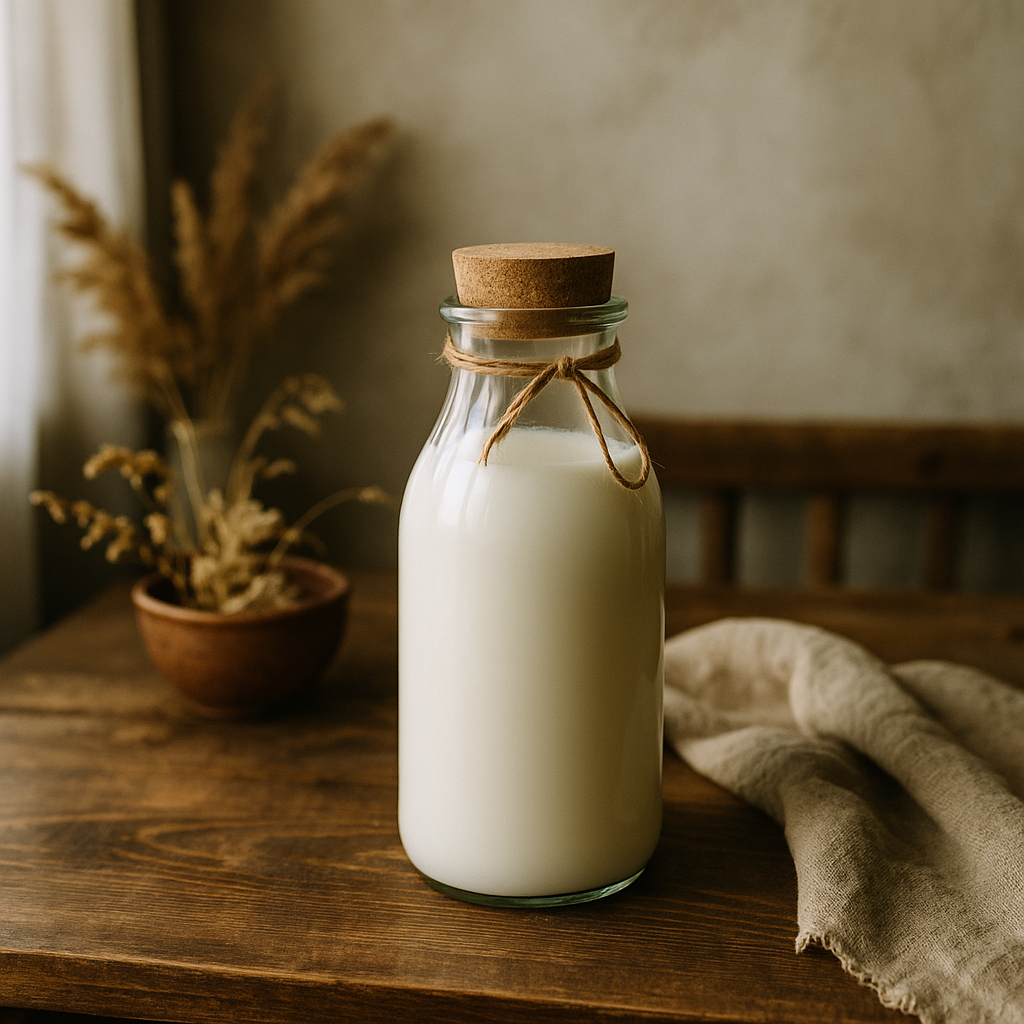
Raw milk, which is unpasteurized and non-homogenized, has long been a controversial product due to its perceived nutritional benefits and potential health hazards. Advocates of raw milk argue that pasteurization, the heat-treatment process to kill harmful bacteria, destroys beneficial enzymes and probiotics present in fresh milk. However, health officials, including the Centers for Disease Control and Prevention (CDC), warn that raw milk can harbor dangerous pathogens such as E.coli, Salmonella, and Listeria.
According to Dr. Karen Maxwell, an epidemiologist with the Idaho Department of Health and Welfare, raw milk carries a tenfold risk of foodborne illness compared to pasteurized milk. “We’re not saying that everyone who drinks raw milk will get sick, but the risks are significant, especially for children, pregnant women, and the elderly,” Maxwell explained.
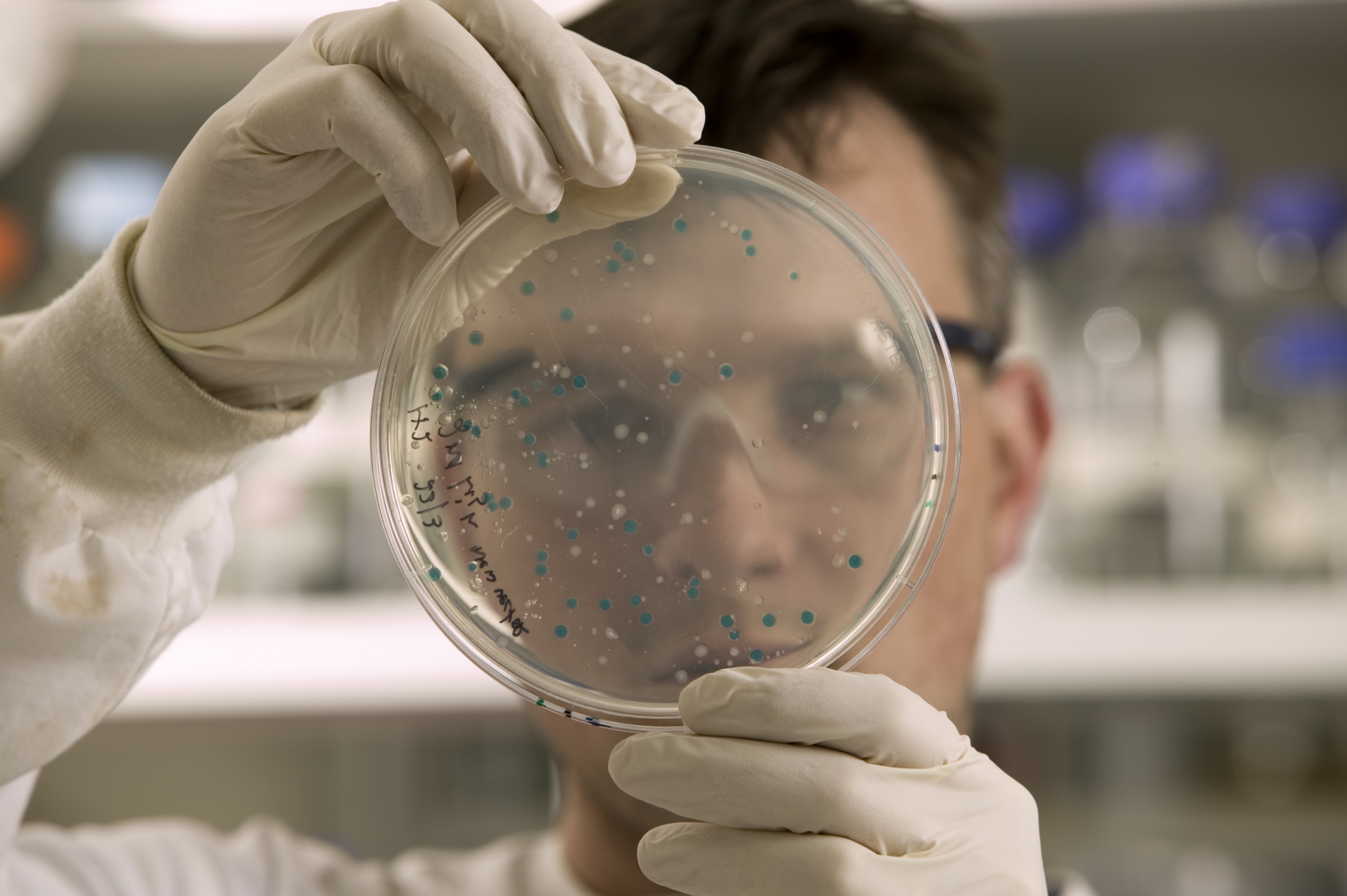
This latest cluster of illnesses reportedly includes several children under the age of 12 who required hospitalization due to dehydration from severe diarrhea. Preliminary laboratory testing confirmed the presence of campylobacter bacteria in milk samples obtained from one of the farms under investigation.
Regulations and Loopholes in Idaho’s Raw Milk Market
Idaho allows the sale of raw milk under specific guidelines, but regulatory enforcement is minimal compared to other states. Like many regions in the U.S., Idaho categorizes raw milk sales into three tiers: retail sales, farm-to-consumer direct sales, and herd shares. Inconsistencies in state-level oversight may contribute to outbreaks like this one.
Under Idaho law, raw milk producers must obtain state certification, conduct routine testing, and label their products with health-risk warnings. But analysts say the voluntary nature of certification invites lapses. “Many small-scale producers skip testing due to the costs and rely on trust relationships with local customers,” noted Sarah Greene, a food safety consultant based in Boise.
Nationally, 20 states prohibit raw milk sales altogether, while others, like Idaho, take a more permissive stance. This patchwork legal landscape fuels friction between public health advocates and proponents of agricultural freedom. Proponents of raw milk access argue that stringent laws infringe upon consumer choice and the rights of small farmers.
Public Health Messaging: A Work in Progress
Despite years of warnings, outbreaks associated with raw milk continue to occur, highlighting gaps in public health messaging. With the adoption of “farm-to-table” cultures and increasing distrust toward corporate food systems, raw milk has gained popularity among certain subcultures, including advocates of natural and organic foods.
Social scientists suggest that better public communication strategies and community engagement could mitigate risks. For example, videos demonstrating how bacteria in raw milk survive refrigeration might resonate more than generic warnings. Public health campaigns tailored to specific populations, such as natural food enthusiasts, could also help bridge the divide.
However, a cultural component further complicates the issue. Small, local farm communities often view the production and consumption of raw milk as an intrinsic aspect of their lifestyle, resistant to interference from outsiders. “Educating these communities requires empathy and collaboration, not imposition,” Greene advised.
Broader Lessons for Food Safety
This incident underscores larger systemic challenges in food safety regulations nationwide, particularly regarding niche and specialty food products. From raw milk to unwashed organic produce, balancing consumer preferences with public health priorities is an ongoing dilemma.
Dr. Maxwell points out that similar issues have arisen in other sectors of the food industry, including boutique seafood and fermented foods. “When regulatory frameworks lag behind consumer trends, outbreaks are almost inevitable,” she said.
With President Trump’s administration prioritizing deregulation in various sectors, food safety experts have expressed concerns about potential budget cuts to federal oversight programs. On the other hand, some agricultural groups view this as an opportunity to empower local and state-level governance over food production.
What’s Next in Idaho’s Raw Milk Saga?
Public health officials continue to investigate this outbreak, focusing on farms that supplied the implicated milk. While no formal recall has yet been issued, they have strongly advised consumers to avoid raw milk for the foreseeable future. Idaho legislators are also facing pressure to reconsider state regulations on unpasteurized dairy products.
For consumers, this serves as a stark reminder to weigh potential health risks against perceived benefits when embracing niche food trends. As raw milk remains legal and accessible across much of the U.S., transparency and education will be essential in addressing future outbreaks.
Updates on the investigation and any further regulatory action will likely shape the raw milk debate for months to come. Industries tied to specialty food trends will also be watching closely, as this case could set a precedent for addressing safety and regulation tensions nationally.