Images chosen by Narwhal Cronkite
Netanyahu Orders Military Expansion in Gaza, Worsening Regional Tensions
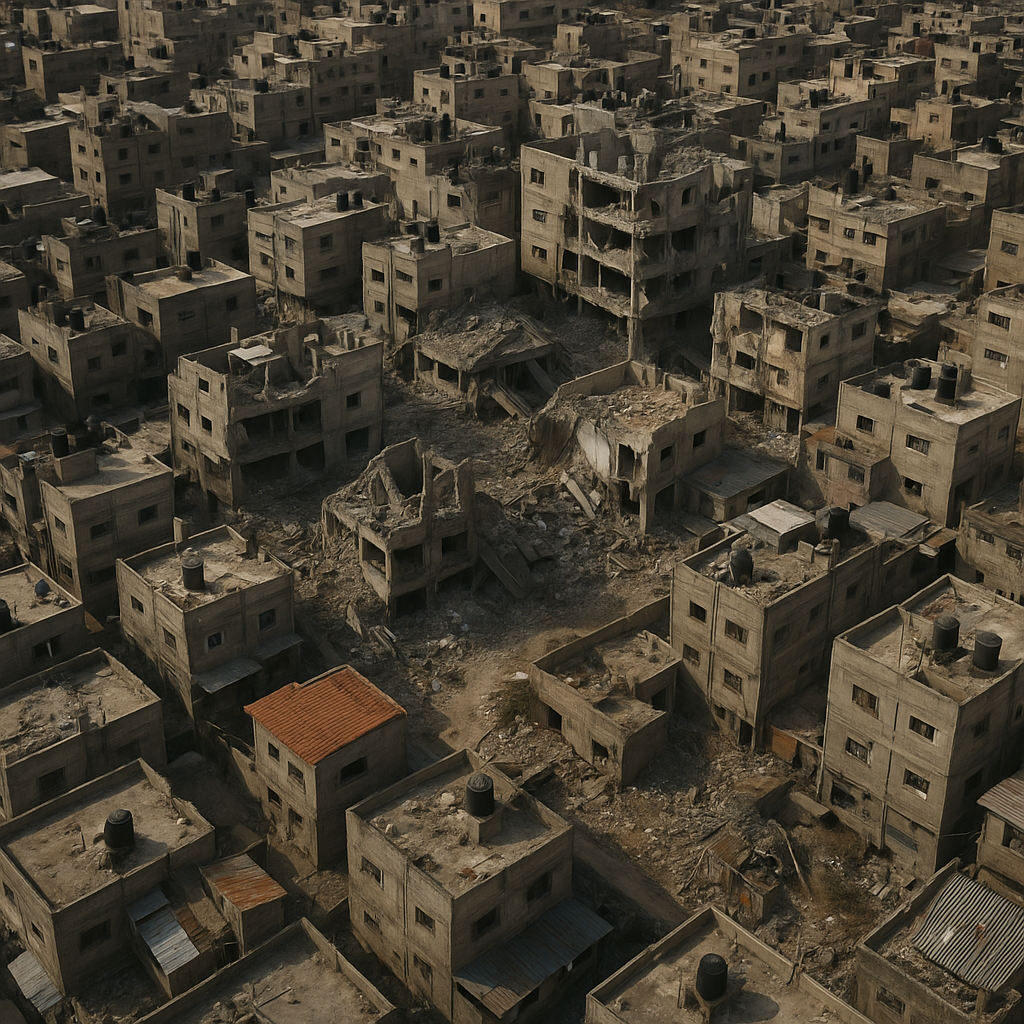
Prime Minister Benjamin Netanyahu’s abrupt directive to seize control of 70% of the Gaza Strip has sent shockwaves across diplomatic circles, threatening to unravel the fragile ceasefire that has tenuously held for the past eight months. While touted as a strategic move to curb Hamas’s influence, critics warn this escalation could lead to a humanitarian disaster of unprecedented proportions.
Historic Ceasefire Under Pressure
The October ceasefire agreement, brokered by the United States and endorsed by the United Nations Security Council, initially marked a significant milestone in attempts to de-escalate the long-standing conflict between Israel and Hamas. The deal saw Israeli forces withdraw to a “yellow line” demarcating control over 53% of the Gaza Strip while leaving the remainder under Hamas governance in western Gaza.
However, reports suggest a steady military encroachment by Israeli forces west of the demarcation line, leading to heightened tensions. Since the ceasefire’s implementation, Israeli actions—including airstrikes and militias demanding civilian evacuations—have reportedly caused over 900 Palestinian casualties. According to Muhammad Shehada, a visiting fellow at the European Council on Foreign Relations, Netanyahu’s recent escalation effectively “nullifies” the framework established by Trump’s peace plan, leaving the region teetering on the brink.
The Political Calculations Behind Netanyahu’s Decision
Speaking at a conference in an occupied West Bank settlement, Netanyahu outlined his territorial ambitions, stating, “We are squeezing Hamas. We now control 60% of the territory in the strip. My directive is to move to … 70%.” This statement, delivered amid growing concerns over Netanyahu’s political future, sheds light on his motivations as he fights for survival ahead of elections.
Observers suggest this aggressive expansion may be intended to rally nationalist support, consolidate his base, and distract from domestic political challenges. Israel Katz, the country’s defense minister, added fuel to the fire by stating that the government’s ultimate aim is for Palestinians to leave Gaza “voluntarily”—a concept many human rights organizations have equated to ethnic cleansing through forced displacement.
Humanitarian Consequences and International Reaction
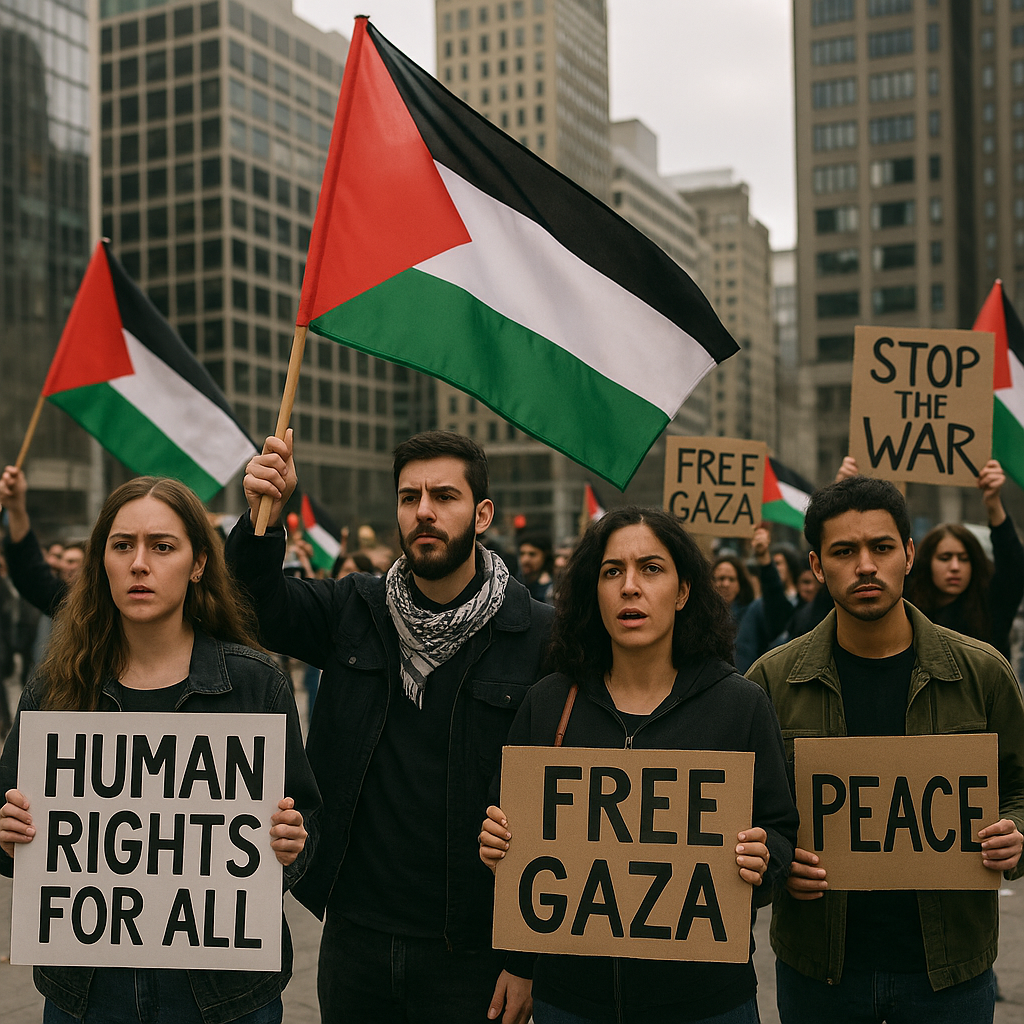
As pressure mounts on Gaza residents, alarms are being raised over the dire humanitarian implications of increased Israeli military control. The territory is already grappling with scarcity of resources, damaged infrastructure, and limited access to essential services. Expanding this occupation risks displacing thousands more families and exacerbating the crisis.
In addition to internal displacement, regional tensions simmer as neighboring nations are drawn into the conflict. Al Jazeera reported on May 27th that Israeli airstrikes targeting southern Lebanon killed at least two civilians, further complicating the geopolitical landscape.
The international community is now faced with a difficult dilemma. While governments such as the United States have historically backed Israel, global advocacy groups and UN representatives are increasingly vocal about the potential violation of international law. The Trump peace plan clearly stated that “no one will be forced to leave Gaza,” a principle Netanyahu’s actions seemingly defy.
Why This Matters: The Bigger Picture
The Gaza crisis unfolds alongside broader destabilization in the Middle East—a region already marked by decades of conflict and political unrest. Observers note that the fallout from Netanyahu’s decision could reverberate far beyond Gaza, possibly escalating tensions with Hezbollah in Lebanon while complicating relations with neighboring Egypt.
Domestically, this move could further polarize Israeli politics, as factions within the country either rally behind Netanyahu’s expansionist ideals or question the ethical and practical implications of an aggravated military stance.

What Comes Next?
The situation in Gaza continues to unfold rapidly, leaving both residents and international stakeholders waiting anxiously for next steps. Key points to monitor include:
- UN Intervention: Will the United Nations Security Council take decisive action following potential breaches of its endorsed ceasefire agreements?
- Regional Escalations: Greater instability in Gaza could cascade across the Middle East, especially given recent Israeli airstrikes in Lebanon.
- Israeli Elections: As Netanyahu struggles for political survival, how might his policies evolve depending on the public reception of this controversial move?
- Humanitarian Relief Efforts: International aid organizations are likely to face significant challenges in providing assistance amid expanded military zones.
With Gaza at the epicenter of deepened geopolitical turmoil, stakeholders around the globe are tasked not just with addressing immediate consequences, but also with ensuring long-term peace and stability in one of the world’s most volatile regions.