A jury has ordered Uber to pay $40 million to the family of a woman who was killed after her driver left her stranded on a highway, according to a BBC News report. The verdict marks one of the largest payouts against the ride-hailing company in a wrongful death case tied to driver conduct.
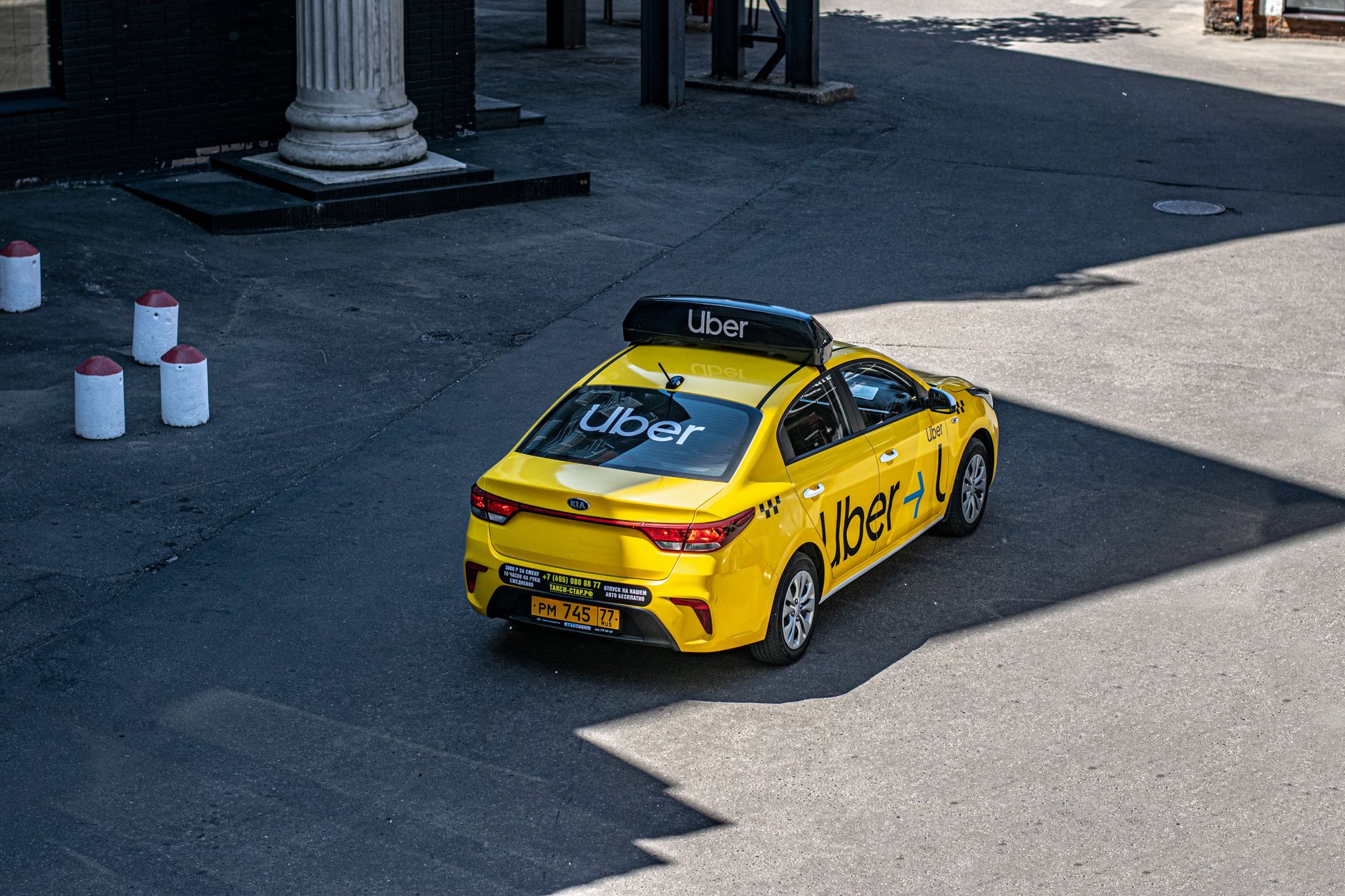
The lawsuit centered on an incident in which the woman was dropped off on the shoulder of a highway rather than at her intended destination. She was struck and killed after exiting the vehicle, according to court filings cited in the BBC report. Her family argued that the driver’s decision to leave her in a dangerous location, combined with Uber’s alleged failure to adequately screen and monitor drivers, directly contributed to her death.
What the Jury Found
Jurors sided with the family, concluding that Uber bore responsibility for the driver’s actions despite the company’s long-standing position that drivers operate as independent contractors rather than employees. That distinction has been central to Uber’s legal defense in numerous lawsuits over the years, but it did not shield the company from liability in this case.
The $40 million award is intended to compensate the family for the loss of their loved one, though the exact breakdown between compensatory and punitive damages was not fully detailed in early reporting. Legal analysts note that verdicts of this size often reflect juror frustration with corporate safety practices as much as the specific facts of a single incident.
Attorneys for the family said the case highlights a broader pattern of drivers making unsafe decisions with limited real-time oversight from the platform, a concern that has surfaced repeatedly in litigation against gig-economy companies.
Uber’s Response
Uber has expressed condolences to the family and indicated it is reviewing the verdict, according to the BBC report. The company has not confirmed whether it will appeal, though it has challenged large jury awards in similar cases in the past, arguing that damages were excessive or that liability was improperly assigned given the contractor relationship with drivers.
The company has previously implemented safety features such as trip-sharing tools, emergency buttons within the app, and driver background checks. Critics argue these measures have not gone far enough to prevent incidents involving passenger drop-offs in unsafe locations, particularly at night or on high-speed roadways.
A Pattern of Legal and Regulatory Scrutiny
This verdict adds to a growing list of legal and regulatory challenges facing Uber. The company recently faced a $970 million fine over algorithmic driver suspensions, a case that similarly examined how much control and responsibility Uber holds over the people who drive for its platform. Regulators in that matter argued that automated systems used to deactivate drivers lacked sufficient transparency and human oversight.
The company has also been navigating internal restructuring, including a move to lay off 10% of its workforce, affecting roughly 3,300 employees, as part of a broader reorganization of its operations. Together, these developments paint a picture of a company facing simultaneous pressure on its labor practices, safety record, and financial structure.
Why This Case Matters
Safety advocates say the verdict could influence how ride-hailing companies train drivers on passenger drop-off procedures, particularly in situations involving disputes, detours, or requests to exit a vehicle mid-route. Highway shoulders are widely recognized as hazardous locations for pedestrians due to high vehicle speeds and limited visibility, especially after dark.
- The case underscores ongoing legal debates over whether rideshare companies should be treated as employers of their drivers for liability purposes.
- It may prompt renewed calls for stricter in-app safeguards preventing drop-offs in flagged high-risk zones, such as highway shoulders.
- The size of the award could set a benchmark for future litigation involving passenger safety incidents on ride-hailing platforms.
What Comes Next
Uber’s next steps will likely determine whether the case proceeds to an appellate court or results in a settlement adjustment. Given the company’s history of contesting large verdicts, further litigation is possible. In the meantime, the family’s legal team has framed the outcome as a step toward accountability, while safety researchers continue to press ride-hailing companies to strengthen protocols around passenger drop-off locations.
The case is likely to remain a reference point in ongoing conversations about gig-economy liability, particularly as courts continue to grapple with how much responsibility platforms bear for the actions of independent contractors working under their brand.