A loosely organized network of privacy activists across the United States has begun disabling and, in some cases, destroying automated license-plate reader cameras made by Flock Safety, according to a new investigation published by The Guardian on July 25, 2026. The underground movement spans multiple states and includes people who bag, spray-paint, or physically remove the devices from utility poles and street signs in what they describe as resistance to unchecked mass surveillance.
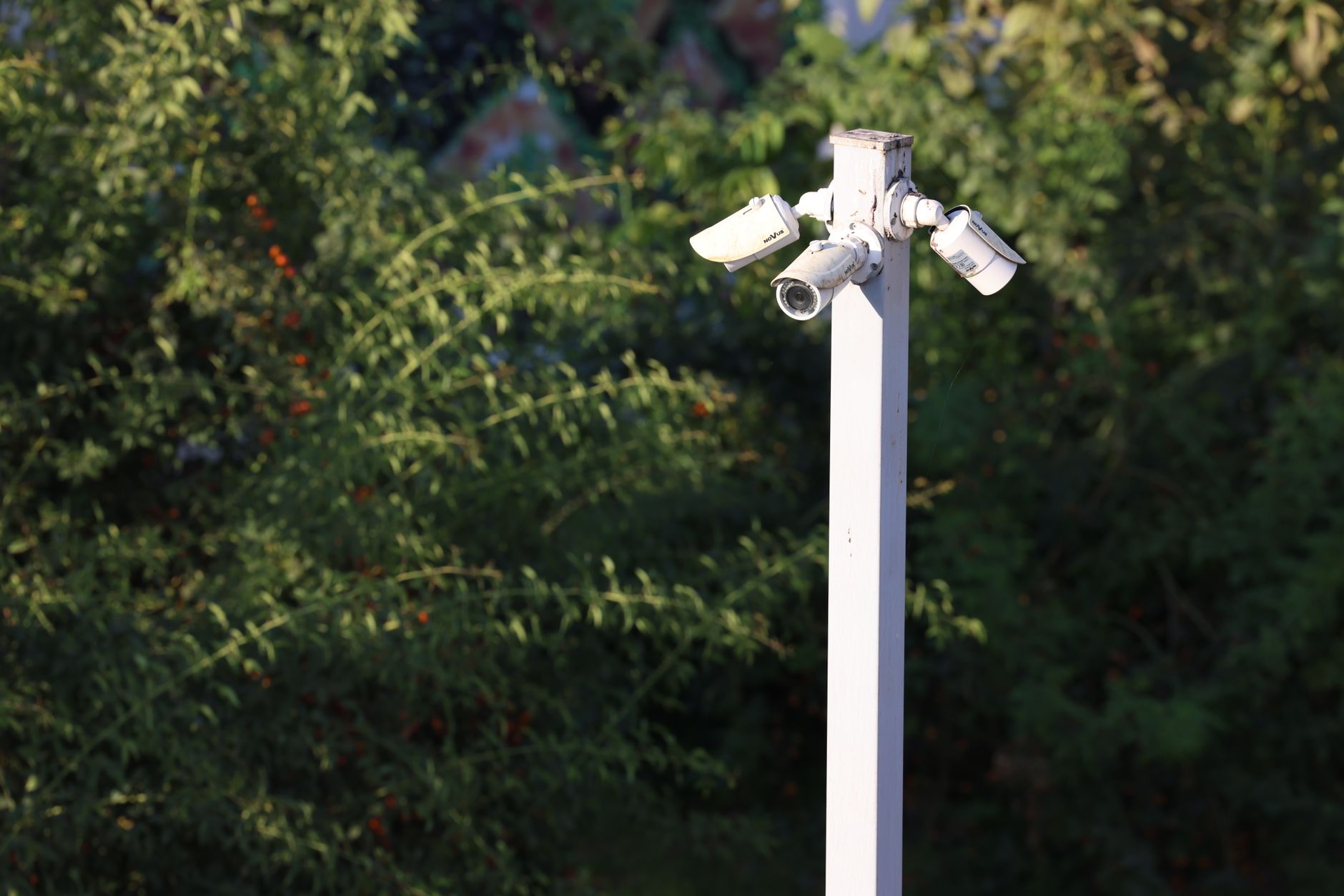
Flock Safety’s cameras, which photograph license plates and vehicle details and feed the data into a searchable national network used by thousands of police departments, have proliferated rapidly in recent years. The Guardian’s reporting found that as the cameras have spread into more neighborhoods, so has a counter-movement of activists who say they were never consulted before the devices appeared on their streets.
A Decentralized, Anonymous Campaign
Participants interviewed by The Guardian described the effort as intentionally decentralized, with no central leadership, funding source, or public spokesperson. Techniques vary widely: some activists cover camera lenses with bags or fabric, others disconnect solar panels or wiring, and a smaller number have cut down poles or smashed housings outright. Many coordinate through encrypted messaging apps and share tips on camera locations, vulnerabilities, and how to avoid detection.
Most of those involved spoke to reporters only under pseudonyms or anonymously, citing fear of prosecution. Tampering with or destroying Flock equipment can carry criminal charges ranging from vandalism to felony destruction of property, depending on the jurisdiction and value of the damaged device. Several participants said they viewed the risk as justified given what they described as the scale and opacity of the surveillance network being built without meaningful public debate.
Why Flock Cameras Draw Backlash
Flock Safety has grown into one of the largest private surveillance infrastructure providers in the country, with cameras now installed in thousands of communities. The company markets its network as a tool for solving crimes, recovering stolen vehicles, and locating missing persons, and law enforcement agencies frequently cite specific cases where the technology helped close investigations.
But critics, including civil liberties groups and local privacy advocates, argue the system amounts to a de facto national tracking network with minimal transparency about who can access the data, how long it is retained, and whether it is shared across agencies or with federal immigration authorities. Local disputes have already spilled into public view: NarwhalTV previously reported on emails revealing why one town bagged its own Flock cameras after officials raised concerns over the program, and on the company’s pushback in internal correspondence showing Flock fought a town over the bagged devices. Those episodes illustrate a pattern the Guardian investigation found repeating nationally: municipalities approving the cameras with little public input, then facing backlash once residents learn the scope of the tracking involved.
Flock’s Response
Flock Safety has defended its technology as a public-safety asset and has previously stated that access to its camera network is restricted to authorized law enforcement personnel and governed by agreements with client agencies. The company has also pointed to state and local laws requiring transparency around camera deployment and data-sharing policies.
Vandalism targeting the devices, however, adds a new operational and financial burden. Replacing damaged units and housings carries costs that are typically passed on to the municipalities and police departments that lease the equipment. Some law enforcement officials interviewed by The Guardian said they now factor vandalism into camera placement decisions, opting for higher, less accessible mounting points or additional tamper alerts.
Legal and Political Fallout
The vigilante campaign arrives as scrutiny of automated surveillance tools intensifies in statehouses and city councils. Lawmakers in several states have introduced bills this year requiring public hearings before license-plate readers can be installed, mandatory data-retention limits, and audits of which outside agencies can query the databases. The debate echoes other recent pushes to rein in unchecked data collection, including New Jersey’s move to ban grocery store surveillance pricing, part of a broader wave of state action against opaque data practices affecting consumers.
Legal experts say prosecutors face a difficult choice in pursuing vandalism cases against anonymous activists, given the sympathetic framing many defendants could present to juries increasingly wary of surveillance overreach. At the same time, law enforcement groups warn that destroying public-safety infrastructure, regardless of motive, undermines investigations into serious crimes, including stolen vehicles and missing-persons cases where the cameras have produced leads.
Activists interviewed by The Guardian consistently framed their actions not as isolated acts of vandalism but as a form of civil disobedience aimed at forcing a public reckoning over surveillance infrastructure installed largely outside public view.
What Comes Next
Neither side shows signs of backing down. Flock continues to expand its footprint, citing demand from police departments seeking crime-solving tools, while the underground movement described by The Guardian shows no indication of slowing. With state legislatures now weighing new transparency and oversight rules, the coming months could determine whether the conflict over automated surveillance is resolved through policy, the courts, or continued confrontation on the streets.