Waymo’s Parked Vehicles Spark Privacy Uproar in Nashville
Waymo, the autonomous vehicle subsidiary of Alphabet, has quietly deployed robotaxis throughout Nashville, Tennessee—and residents are just discovering that these parked vehicles continuously record their neighborhoods. The revelation has ignited concerns about privacy, with residents, local officials, and advocacy groups questioning whether the company has the right to conduct mass surveillance without explicit consent or transparency.
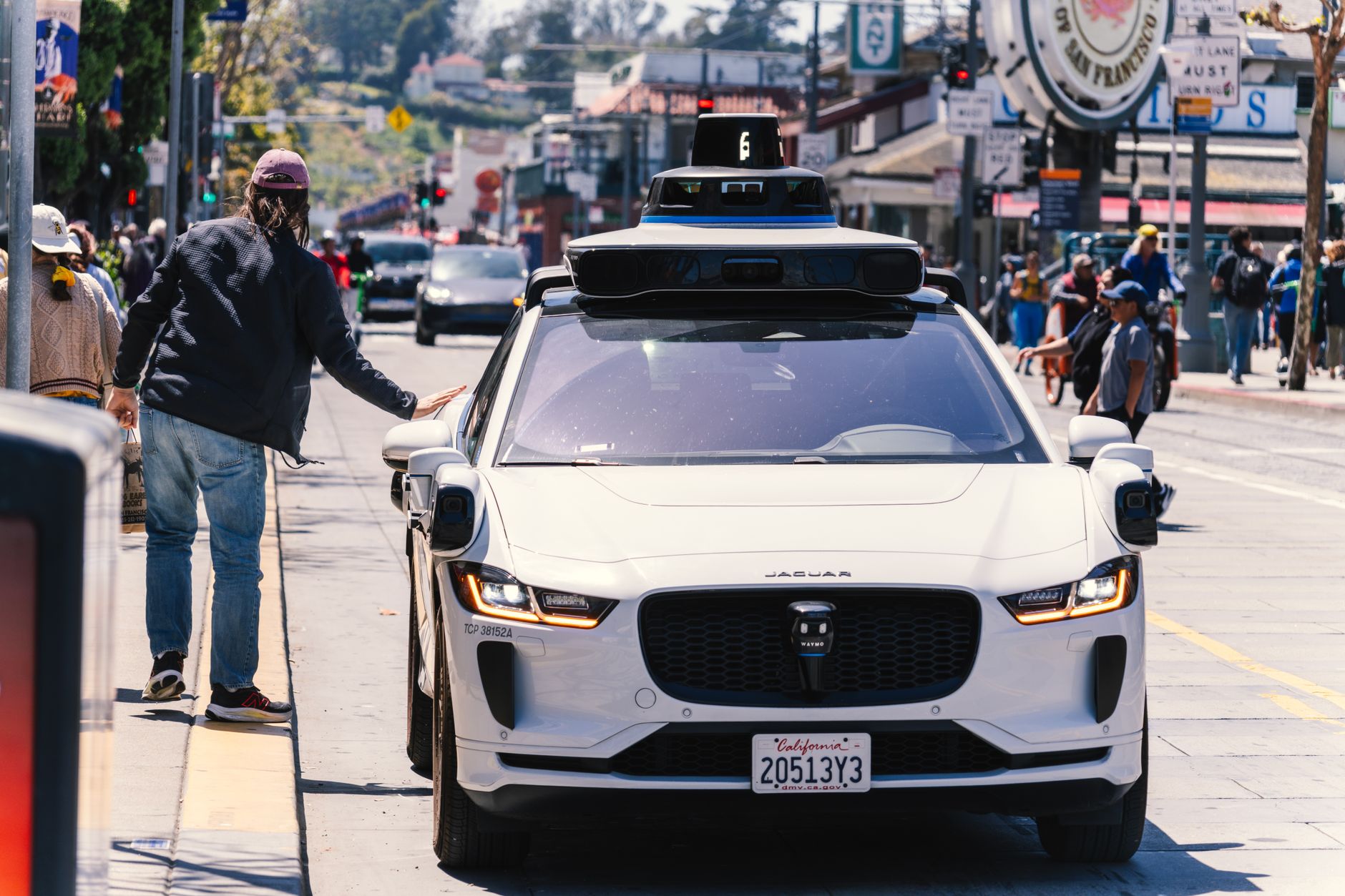
The issue surfaced when neighborhood residents noticed the vehicles’ sophisticated camera and sensor array remained active even when stationary. Unlike typical security cameras mounted on private property or street infrastructure, Waymo’s fleet operates under minimal disclosure, with residents unaware of what data is being collected, how long it’s retained, or who has access to the recordings. As reported by Gadget Review, the scope of this recording has shocked many residents.
What Waymo Is Recording
Waymo’s autonomous vehicles are equipped with multiple high-resolution cameras, lidar sensors, and radar systems designed to navigate traffic and identify obstacles. The vehicles capture video from numerous angles simultaneously, creating a 360-degree record of their surroundings. While Waymo argues this data collection is essential for training and improving its autonomous driving algorithms, residents never agreed to be part of this data pipeline.
The parked vehicles record pedestrians, children playing, pets, and even private moments in yards and driveways—all without neighborhood residents’ knowledge or consent. Many residents expressed alarm upon learning about the recordings, questioning whether their privacy rights have been violated or whether any regulations apply.
Privacy Advocates Sound Alarm
Privacy advocacy groups have raised serious concerns about Waymo’s practices. The lack of transparency around data retention is particularly troubling. Residents have no way of knowing whether their images are deleted after a certain period or stored indefinitely. Nor do they know which Waymo employees, contractors, or third parties can access this footage.
“This represents a form of mass surveillance with zero transparency,” critics argue. “Residents should have the right to know when they’re being recorded and have some say in whether private companies collect data in their neighborhoods.”
Regulatory Questions Loom
The situation has prompted questions about regulatory oversight. While autonomous vehicle testing has generally been permitted with fewer restrictions than traditional commercial operations, the passive surveillance aspect touches on privacy law in ways that haven’t been clearly tested. Tennessee has relatively few privacy regulations compared to states like California, which may explain why Waymo chose Nashville as a testing ground.
Local officials in Nashville have begun demanding answers from Waymo. City council members have called for hearings to examine the company’s data practices and determine whether additional regulations are needed. “We welcome innovation, but not at the expense of residents’ privacy rights,” one council member stated.
Waymo’s Response
Waymo has defended its practices, arguing that data collection is necessary for developing safe autonomous vehicles and that the company complies with all applicable laws. The company stated it does not retain images of identifiable individuals longer than necessary for safety purposes, though critics argue this timeframe remains vague and unverified.
The company emphasized that its vehicles are primarily gathering environmental data—road conditions, traffic patterns, pedestrian behavior—rather than targeting individuals. However, this explanation provides little comfort to residents who see no meaningful distinction between environmental recording and surveillance when their own homes and families are being captured.
A Broader Debate Over Autonomous Vehicles
This controversy underscores a larger tension in the autonomous vehicle industry. As companies like Waymo, Tesla, and others deploy vehicles at scale, they’re creating massive datasets about public and semi-public spaces. These datasets are incredibly valuable for training AI systems, but their creation often happens without explicit community consent.
The incident also highlights the patchwork nature of privacy protections in America. In the absence of federal privacy legislation, companies enjoy significant latitude in data collection practices. Many privacy advocates argue the time has come for comprehensive regulation of how autonomous vehicle companies handle data collection and retention.
What’s Next
Nashville residents are unlikely to accept this situation quietly. Several neighborhood associations are organizing to demand transparency from Waymo and accountability from city officials. Legal challenges may follow if residents believe their state or local privacy laws have been violated.
For now, the situation serves as a cautionary tale about the speed of technological deployment outpacing regulatory frameworks. As autonomous vehicles become more common, society will need clear rules about what companies can record, how data must be handled, and what transparency residents deserve in their own neighborhoods. Waymo’s Nashville operation may ultimately force a reckoning about the hidden costs of convenient technology—and who bears responsibility when innovation collides with privacy.