Images chosen by Narwhal Cronkite
Canada ‘Will Not Be Participating’ in Iran War, Defence Minister Confirms
Amid growing tensions in the Middle East, Canada has officially distanced itself from participating in the ongoing conflict involving Iran, Israel, and the United States. Defence Minister David McGuinty stated on Monday that Canada has “no plans to participate” in military actions against Iran, following a week of speculation regarding Canadian involvement. The announcement underscores the country’s cautious foreign policy approach and raises questions about its role within NATO and the broader geopolitical landscape.
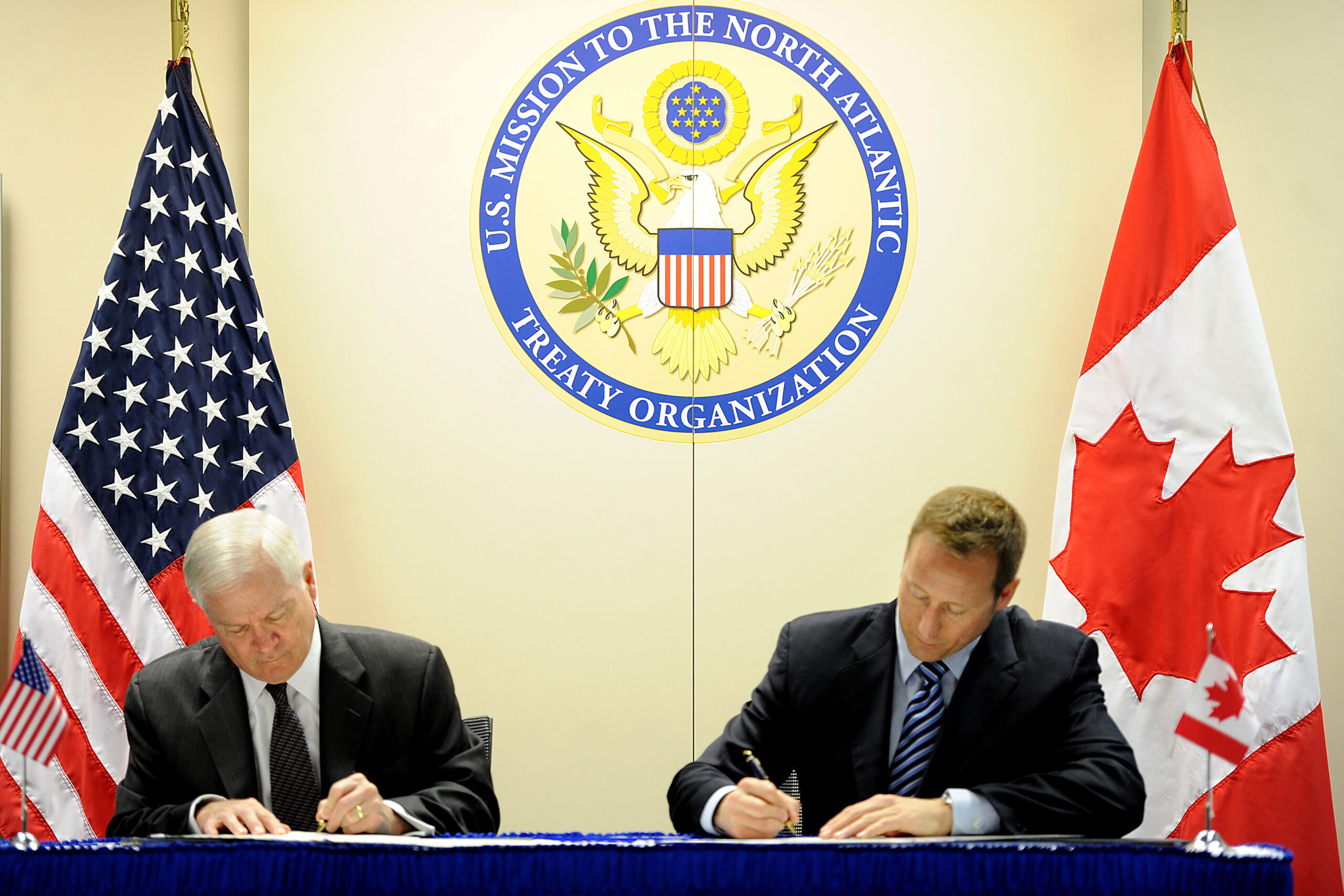
Canada Chooses Diplomacy Over Military Involvement
Speaking at a press event in Ottawa, McGuinty reiterated that Canada was not consulted prior to the U.S. and Israel’s military actions against Iran. “Canada was not asked to comment, Canada has not participated, and Canada will not be participating,” McGuinty emphasized. Despite Canada’s lack of direct involvement, the Defence Minister acknowledged that the situation in Iran is “extremely serious” and one that Ottawa is monitoring closely.
The statement follows comments made last week by Prime Minister Mark Carney during a visit to Australia, where he left the door open to Canadian military assistance in the event that Canada’s NATO allies required defense support. However, this week’s clarification reflects a cautious and calculated approach to the unfolding crisis, aligning with Canada’s historical preference for diplomatic over military engagement.
While Canada’s Chief of Defence Staff, Gen. Jennie Carignan, has hinted that NATO could call on Canada to assist Persian Gulf states under attack from Iran, McGuinty confirmed no such decision has been made. “We are monitoring the situation carefully, but Canada has decided against deploying additional military assets at this time,” he added.
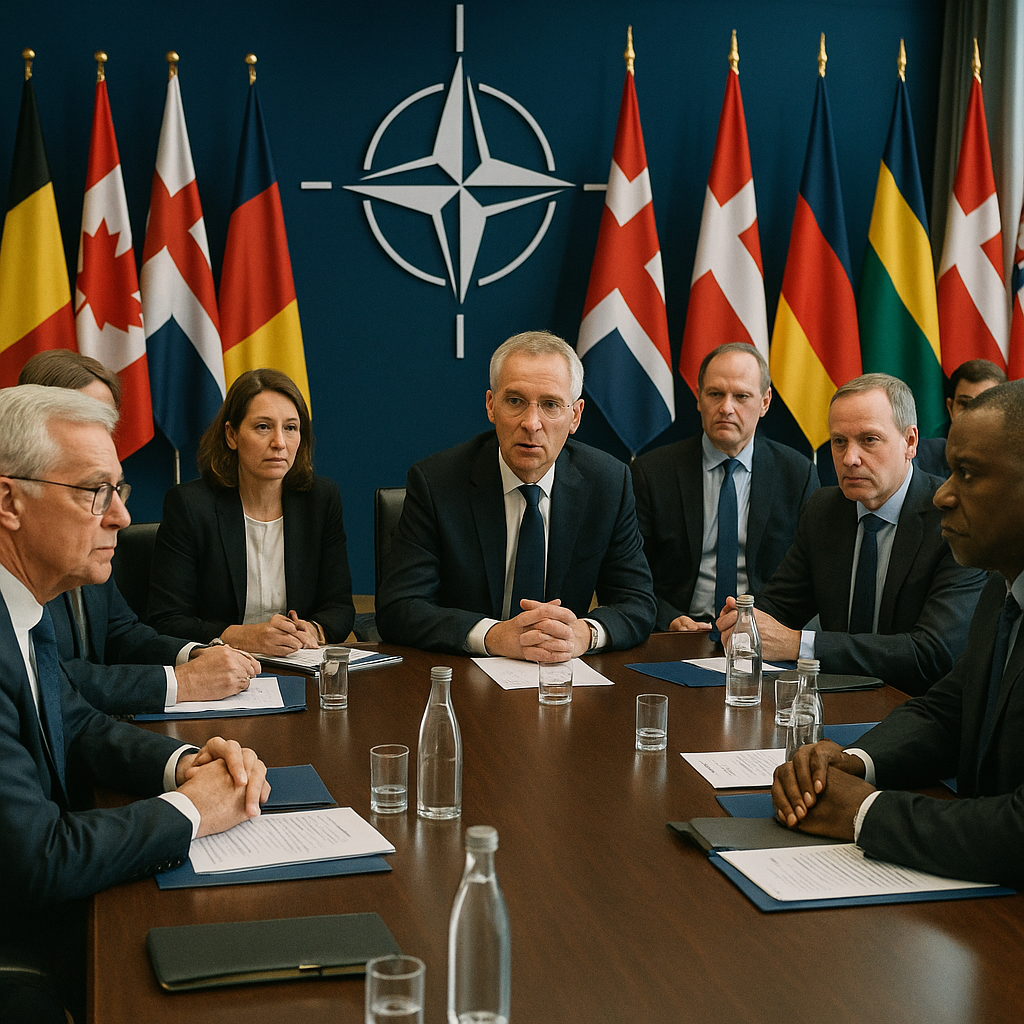
NATO Pressure and Divergent Alliances
Canada’s position on the Iran war is notable, particularly as other NATO allies, including France and the United Kingdom, have already bolstered their military presence in the region. Both countries have deployed warships, air defense systems, and other assets to support Gulf states. According to CBC News, many NATO members view the Iran conflict as a broader test of unity within the alliance.
However, Canada’s stance also highlights growing divisions within NATO regarding how to address emerging global threats. McGuinty’s acknowledgment that “a number of NATO members have decided to provide some assistance to neighboring countries” while Canada has not illustrates the country’s more conservative approach to military engagement. Some analysts argue this could signal Canada prioritizing sovereignty over alliance solidarity, while others believe it reflects a calculated effort to avoid entanglement in wars that lack clear objectives or widespread international support.
Public Sentiment and Political Calculation
Domestically, the decision to abstain from direct participation in the Iran war may find favor with a war-weary public. Canada’s reluctance to join large-scale military engagements in recent years has mirrored broader shifts in public opinion, with many Canadians now favoring humanitarian assistance and conflict resolution over combat. Political analysts note that Prime Minister Carney’s comments in Australia, which stopped short of ruling out military involvement entirely, sparked concerns among political opposition parties and civil society groups. Monday’s definitive statement by McGuinty may be an attempt to calm tensions and clarify Canada’s stance.
“Canada’s role in the Middle East should be one of a peacebuilder, not a participant in offensive wars,” one policy expert observed. Such sentiments align with Canada’s historical positioning as a nation focused on diplomacy and peacekeeping. Reinforcing that narrative, McGuinty emphasized that Canada’s immediate priority remains to support allied nations affected by the conflict through non-military means, if necessary.
The Broader Geopolitical Implications
Canada’s withdrawal from potential involvement in the Iran war also reveals broader geopolitical dynamics. Unlike the era of unified Western-led coalitions during the Iraq War, today’s conflicts are unfolding in a “ruptured world order,” as described by The Conversation. Nations like Canada increasingly face difficult decisions about balancing alliance commitments with domestic priorities and political values.
The Iran conflict also underscores a shift in middle-power nations’ roles on the global stage. Countries like Canada and Australia are exploring new partnerships and bilateral agreements that provide flexibility in foreign policy decisions. While Australia has strengthened regional ties in the Indo-Pacific, Canada’s decision to remain neutral may reflect a similar prioritization of strategic autonomy within NATO and the broader Western alliance.
From a military perspective, McGuinty confirmed that Canada remains engaged in high-level discussions with NATO allies. “We need to remain vigilant and ensure that our forces—and those of our allies—are prepared to defend against threats that may arise,” he said. However, the absence of direct Canadian involvement in Operation Epic Fury—the codename for ongoing U.S.-led actions—highlights Ottawa’s strategic restraint.
What’s Next for Canada?
As the Middle East conflict continues to escalate, Canada’s role will likely remain one of observer and advisor rather than active participant. However, analysts caution that maintaining neutrality does not mean immunity from the geopolitical ripple effects of the war. Issues such as energy security, regional stability, and potential refugee crises could still have profound impacts on Canada’s interests.
Eyes will also be on how NATO evolves its approach to the Iran situation. While some members advocate stronger collective action, others, including Canada, argue for restraint and a focus on diplomacy. Gen. Carignan’s pending recommendations on how Canada might support Gulf nations through non-combat measures will also play a significant role in shaping Ottawa’s future stance.
Canada’s decision not to participate may reaffirm its commitment to sovereignty and diplomacy but does not negate its responsibilities as a key NATO member. Whether this approach serves Canada’s long-term interests remains to be seen as the conflict unfolds, challenging alliances and reshaping global power dynamics.
The Bigger Picture
For now, Canada’s firm declaration against participating in the Iran war aligns with its values as a peace-oriented nation. Yet with NATO’s cohesion and Canada’s position on the global stage at stake, Ottawa’s neutral stance may be tested. Moving forward, Canadians and global observers alike will be watching closely to see how the nation’s policymakers balance traditional values with contemporary geopolitical realities.