Images chosen by Narwhal Cronkite
Zelenskyy: “Ukraine Now Holds the Cards” in the Global Defense Landscape
Ukrainian President Volodymyr Zelenskyy has boldly stated that Ukraine’s defense capabilities and strategic alliances have redefined its global standing. In a recent interview, he emphasized that the country now possesses “cards”—a metaphor for leverage or strength—thanks to its military innovations and alliances forged during the ongoing war with Russia. Ukraine’s Strength: From Vulnerability to Command
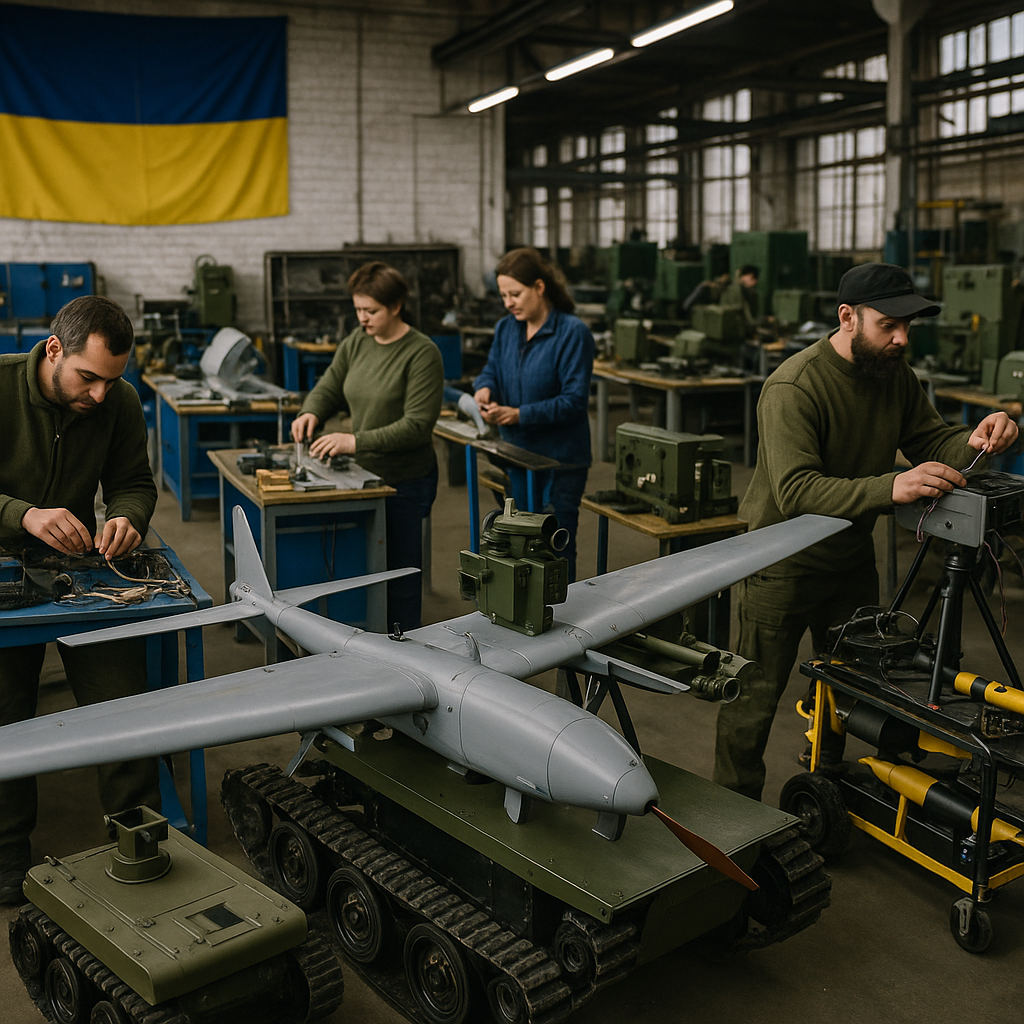
Speaking to Irish blogger Caolan Robertson, Zelenskyy attributed Ukraine’s newfound strategic advantage to the perseverance of its military forces, the relentless expansion of its defense production capabilities, and unprecedented levels of international support. “It’s because of our soldiers, great people, and a lot of different production which we increased from the very beginning of the full-scale war. Now we have the high level,” Zelenskyy remarked. He also noted with pride that the U.S. has sought Ukraine’s input over traditional allies such as Germany, France, and even the UK. This shift, he implied, underscores how Ukraine’s capabilities are now recognized on a global stage.
Historically viewed as a minor player in global geopolitics, Ukraine’s transformation since Russia’s invasion in 2022 has been nothing short of extraordinary. From building an agile military to advancing tech-driven defense mechanisms, analysts believe the war has rapidly modernized Ukraine’s armed forces. This newfound strength has made Zelenskyy confident in his country’s growing stature, stating, “The Americans asked us, and, of course, I’m very proud that we can help American partners.”
The “Cards” Ukraine Keeps and Why They Matter
Zelenskyy’s statement about Ukraine having “cards” it hadn’t shown before likely refers to the country’s accelerated advancements in defense technology and strategic planning. These “cards” also indicate Ukraine’s ability to influence larger geopolitical decisions and implement game-changing military tactics.
For example, Ukraine has made significant strides in drone technology and digitized warfare, outpacing even many NATO nations in certain aspects. Zelenskyy acknowledged this hard-earned expertise, stating, “Nobody has now experience with the land forces that we have… It’s not something in which we are very happy to have—it’s about real experience because Russia attacked us.” While Ukrainian forces have borne tremendous losses, they have gained crucial tactical know-how that the global defense community now finds indispensable. This reality amplifies Zelenskyy’s call for allies to move swiftly: “If you don’t have quick steps on how to defend, you will be destroyed.”
This expertise becomes all the more vital in light of the current global landscape. While many Western powers have spent recent decades focusing on naval and aerial dominance, Russia’s aggression highlights the critical importance of land warfare and territorial defense—areas where Ukraine now excels.
The Role of Global Allies in Sustaining Ukraine’s Momentum
Despite Ukraine’s newfound leverage, Zelenskyy remained clear-eyed about the importance of continued international support. He pointed out the disparity in Europe’s readiness for a large-scale crisis, saying, “Not enough prepared Europe. Only some countries. Yes, they’re on the way. For example, Germans are very quick, but it’s not enough.” He also praised certain Nordic countries for their technological innovations in defense, but warned that global unity and preparation remain critical to addressing the risks of a third world war.
As Zelenskyy sees it, allies’ readiness to provide robust and timely support will dictate Ukraine’s ability to sustain its hard-fought gains and eventually secure peace. His message echoes what many defense analysts have argued—that slow decision-making and incremental aid could risk prolonging the conflict. “Steps,” Zelenskyy emphasized. “This is what you need. Quick steps.”
The urgency is stark, especially as Russian aggression shows no signs of waning. Observers note that Ukraine isn’t just advocating for itself but also serves as a warning signal for broader democratic defense alliances. Dr. Alina Komarov, an international security expert based in London, stated, “Ukraine’s war aligns the free world under a single question: Are we willing to make sacrifices to secure shared values? Zelenskyy is simply reminding us what’s at stake.”
The World Is Not Ready for a New Type of War
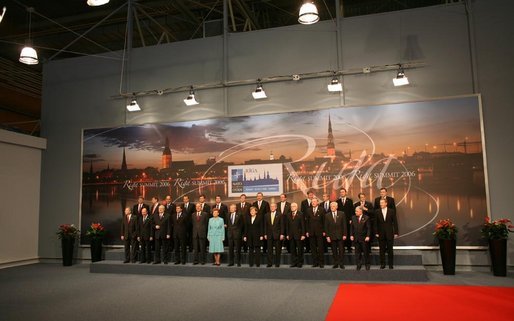
Another key aspect of Zelenskyy’s remarks was his grim assessment of global preparedness for the complexities of modern warfare. “World War III will not just be about drones and missiles,” he warned. “In any way, it will be with the land forces, with land offensive steps, and a global number of losses.” With these words, Zelenskyy evoked the sharp learning curve faced by nations unaccustomed to large-scale confrontation in territorial warfare.
While NATO and other alliances possess cutting-edge missile and cyber capabilities, the Ukrainian president underscored that modern conflicts will demand a hybrid approach integrating both advanced technology and in-the-trenches combat. The toll on civilians, coupled with the strain on global infrastructure, amplifies the need for nations to reevaluate their defense frameworks.
Dr. Hendrik Stein, a military strategist in Berlin, agrees with Zelenskyy’s outlook, stating, “Ukraine epitomizes a kind of warfare that combines 21st-century tech with 20th-century tactics. It’s uncomfortable, but necessary for nations to be prepared for this hybrid style of conflict.”
The Long Road Ahead
As Ukraine continues to assert its strategic importance, the global stakes remain immense. The resilience and adaptability of the Ukrainian military offer valuable lessons, but the road to peace remains fraught with uncertainty. Zelenskyy’s remarks highlight not just the resource gaps in global alliances but also the lack of consensus on how to handle potential escalations.
For Ukraine’s allies, the message is clear: decisive action today could very well determine whether the values underpinning modern democracies endure. Analysts suggest keeping an eye on upcoming NATO summits, shifts in U.S. foreign aid policy, and groundbreaking defense technologies developed within Ukraine. “Ukraine has shown it holds cards today, but tomorrow’s game depends entirely on who is playing alongside them,” Dr. Komarov concluded.
In the months to come, the eyes of the world will remain on Ukraine—not just as a battleground, but as a proving ground for the democratic ideals shaping modern geopolitics.
What to Watch Next
The next key developments will revolve around the following:
- Deployment of advanced defense technologies, including long-range missile systems
- Increased military support and coordination among NATO allies
- Further evidence of Ukraine’s upgraded production capacity and resource self-sufficiency
- Renewed U.N. diplomatic efforts for peace talks