Images chosen by Narwhal Cronkite
This IS the Problem with Professional Kitchens
The culinary world’s obsession with the professional kitchen has set impossible standards for efficiency and aesthetic design. Yet, behind the glossy magazine covers and Food Network studios lies an uncomfortable truth—these professional setups prioritize utility for high-volume operations but may undercut the needs of home chefs or modern consumers.
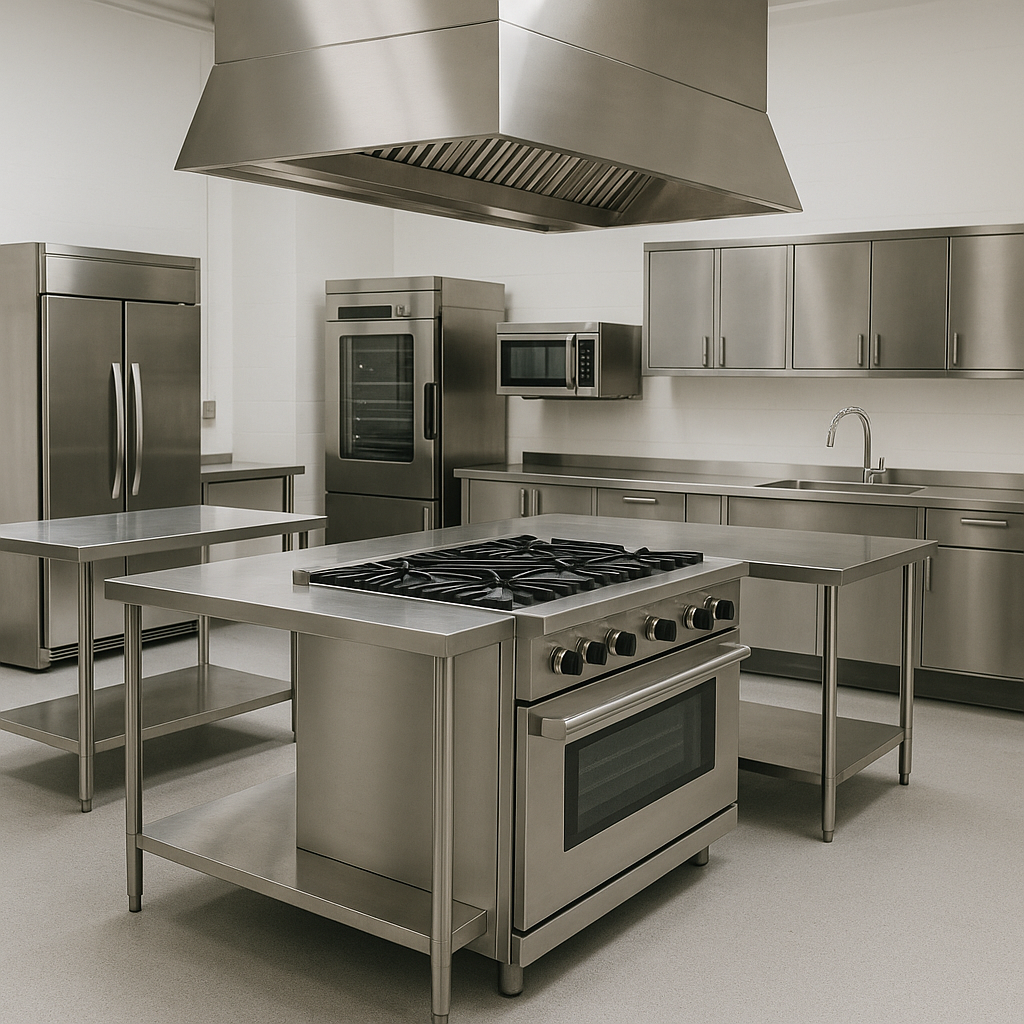
The Myth of the Perfect Kitchen Layout
The professional kitchen has long been hailed as the gold standard for functionality. But the core challenge these setups face? They’re often optimized for running a large-scale operation rather than fostering an enjoyable everyday cooking experience. This design ethos stretches all the way to appliances, which continue to evolve for both professional and domestic purposes. Yet, certain compromises remain unavoidable.
Consider the rise of “zero-clearance” fridges that prioritize spatial efficiency. According to a February 2026 report in The Gadgeteer, Samsung unveiled its revolutionary line of zero-clearance fridges at KBIS 2026. “You measure the gap, pick the fridge that fits, and accept that the doors won’t swing all the way open if a wall sits too close,” the report emphasized. While that may work in restaurant kitchens where space is sacred, it can create frustrations in home settings where flexibility matters.
Industry observers argue that the professional kitchen aesthetic often assumes space constraints that don’t align with the realities of urban apartments or shared living spaces. Your kitchen may look impressive, but what happens when the refrigerator door bangs against an adjacent wall every single morning?
The Ergonomics Problem: Merging Beauty with Usability
If there’s one hallmark of professional kitchens, it’s their cold, calculated efficiency. Work triangles for smooth navigation, stainless-steel surfaces that scream industrial chic, and heavy-duty appliances designed for endurance—these features feel seamless in commercial environments. But does this design philosophy sacrifice comfort in favor of function?
“In a professional kitchen, every inch serves a purpose, and clutter is the enemy,” says one tech enthusiast familiar with restaurant standards. Yet, one person’s “pristine” is another’s “sterile.” Ergonomics experts have raised questions about whether these setups truly accommodate the nuances of casual cooking. Reaching to grab a high-mounted pot or bending repeatedly to access built-in ovens can translate to long-term strain at home.
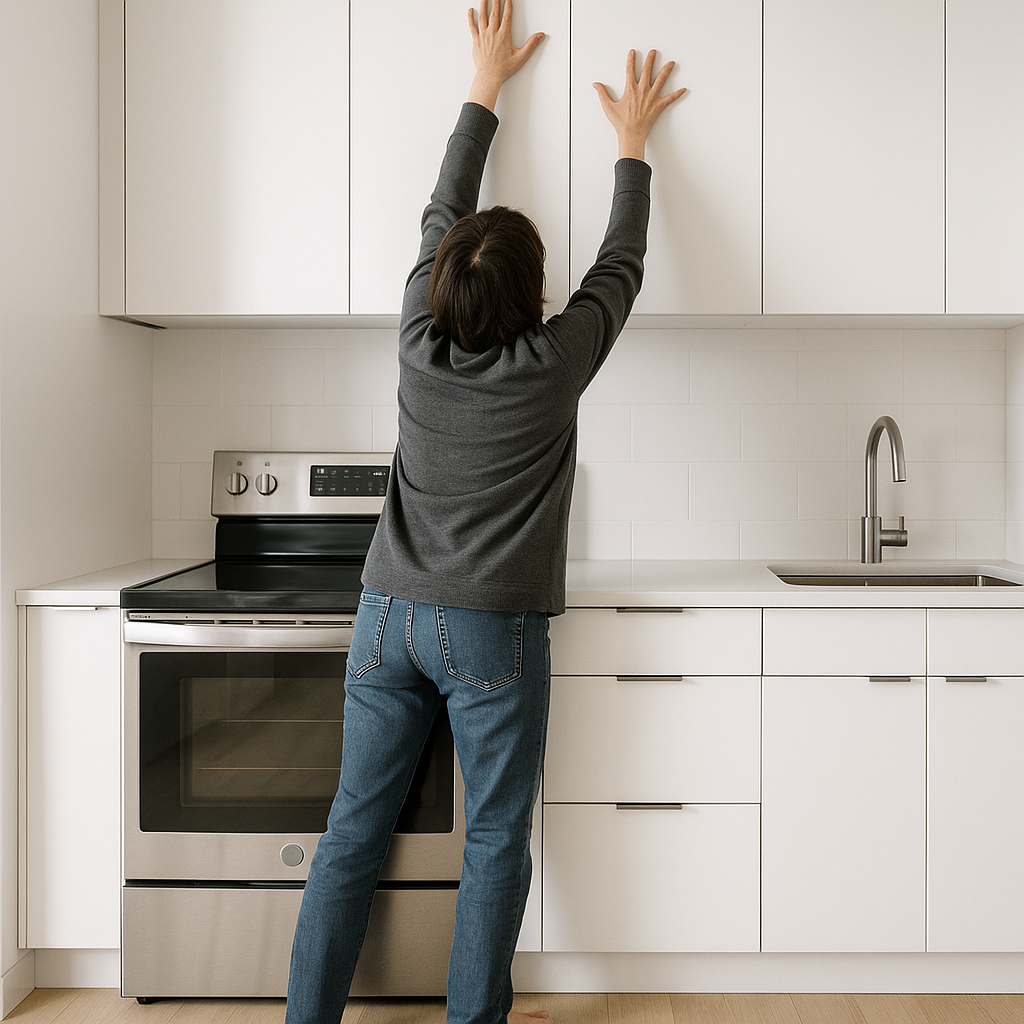
The growing popularity of built-in appliances compounds the problem. Industry leaders and appliance designers are now rethinking built-ins to extend usability across demographic groups, ensuring accessibility for everyone from young culinary students to retirees. Samsung’s ergonomic positioning of controls in their Zero Clearance Pro Ranges, discussed at KBIS 2026, demonstrates a step forward—but there’s still work to be done.
Air Quality: The Invisible Challenge
Beyond aesthetics and layouts, professional kitchens also grapple with hidden hazards such as air quality. Utilizing high-powered appliances, griddles, and fryers in enclosed spaces comes with the risk of trapping smoke, grease, and particulate matter in the air—which is often mitigated by advanced ventilation systems designed exclusively for commercial premises.
For homes, replicating these systems isn’t always feasible. As mindbodygreen covered in their analysis of HVAC systems and mold risks earlier this year, even top-grade vents have limitations. “Your HVAC might be trying to tell you something,” the report noted, referring to maintenance concerns often overlooked by home chefs. While professional kitchens are equipped with industrial-strength solutions, residential spaces can struggle to replicate this functionality effectively, leaving unanswered questions about long-term air quality.

The Emotional Gap: Cooking in a Functional But Soulless Space
Professional kitchens are often modeled for efficiency, but what about warmth? In a sense, this design ethos risks stripping out the emotional quality that makes home cooking an intimate and fulfilling experience.
Actress Anna Baryshnikov, known for her introspective take on the disbalance between conformity and individuality in her recent film Idiotka, once remarked in an interview with Deadline: “The space you inhabit tells a story—in kitchens and on film sets.” The statement might be about acting, but it resonates with the idea of overly regimented kitchen spaces. How much can joy flourish when every countertop feels more like a workbench than a creative canvas?
While industrial design offers durability, many home chefs now express a longing for spaces that meld functionality with personality. Bright token accents, heirloom furnishings, and small spontaneous imperfections lend authenticity to the kitchen—a sentiment echoed by analysts who increasingly advocate for blending elements of the personal with the professional.
The Path Forward: Finding Balance
Fortunately, manufacturers and designers are taking notice of these pain points. With companies like Samsung prioritizing flexible, space-efficient appliances and designers collaborating with ergonomic experts, incremental improvements are visible on the horizon. However, the challenge remains: How do we merge the benefits of professional-grade efficiency with the inherent joys of domestic cooking?
Ultimately, the question doubles as an invitation for innovation. For those outfitting home kitchens, adaptability is key. Opting for modular appliances, carefully balancing aesthetics with comfort, and accounting for accessibility can transform a frustrating kitchen setup into a harmonious one.
There’s also a growing awareness of how the kitchen fits into broader lifestyle trends. With hybrid work culture embedding households in a more 24/7 use of living spaces, the kitchen is no longer simply a preparation zone—it’s a social hub, a creative outlet, and even a workspace. The rigid efficiency-first mentality of professional kitchens must evolve to keep pace with these shifting needs.
What’s Next: Designs That Listen
As the evolution continues from professional kitchens to residential adaptations, industry leaders will need to address ongoing issues such as accessibility, inclusive ergonomics, and sustainable air quality solutions. Expect to see more innovation leading up to major expos like KBIS, where new breakthroughs inspire forward-thinking designs. Perhaps the future offers a kitchen that’s smarter, warmer, and truly multifunctional.
For now, home chefs can look for small ways to make their cooking spaces a hybrid of professional functionality and personal intimacy. After all, a kitchen isn’t just a place—it’s a story waiting to be told.