Images chosen by Narwhal Cronkite
Spain Permanently Withdraws Ambassador as Rift with Israel Deepens
The diplomatic relationship between Spain and Israel has taken a historic turn. On March 11, Spain officially announced the permanent withdrawal of its ambassador from Israel, signaling a profound escalation of tensions between the two nations. This marks a rare and significant move in international diplomacy, one that analysts say could have far-reaching political and economic consequences for both countries.
A Diplomatic Rift Years in the Making
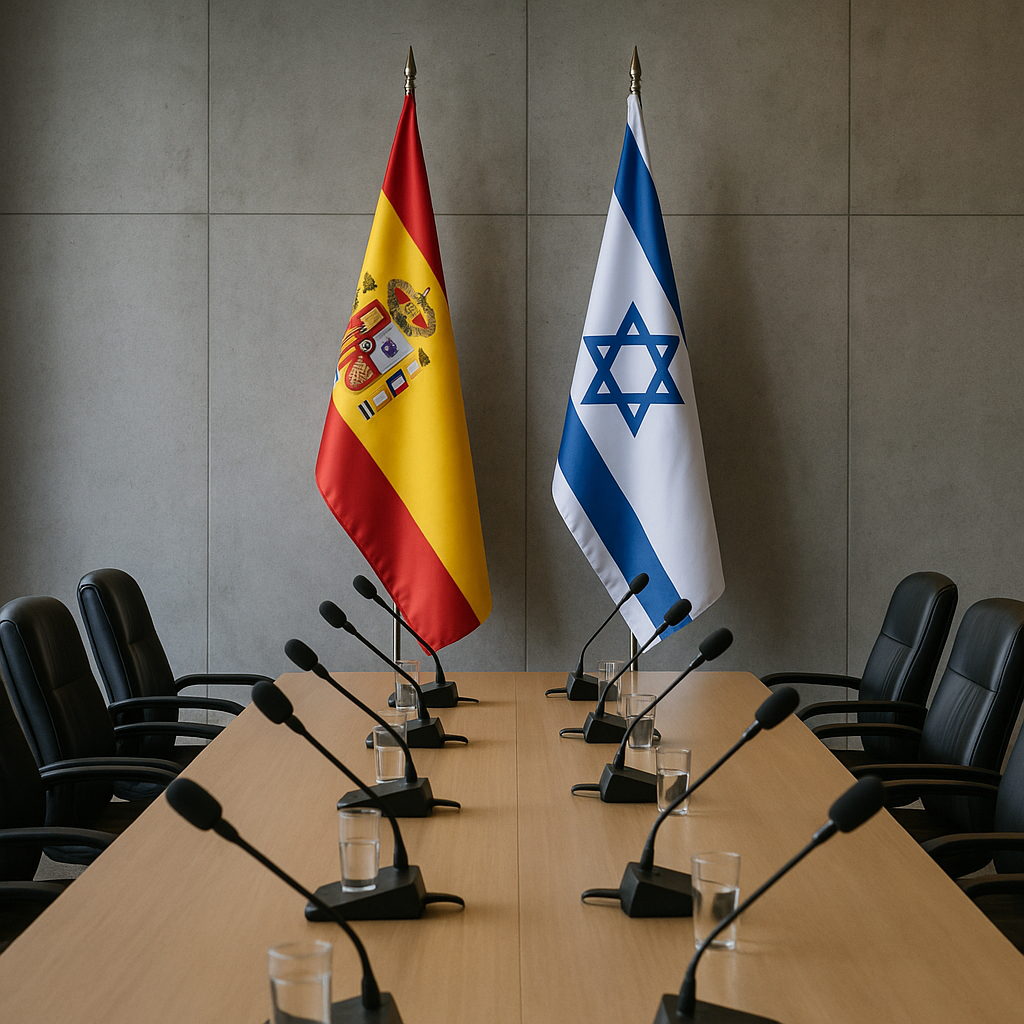
The origins of the rift between Spain and Israel stretch back several years. According to Reuters, long-standing disagreements have festered over issues like human rights, territorial claims in the region, and differing stances on certain United Nations resolutions. Over time, what was once a cooperative relationship has deteriorated into outright hostility.
Recent events seem to have brought matters to a head. Experts point to Spain’s vocal criticism of Israel’s policies in the Palestinian territories as a key trigger. In the last year, Spain took a more confrontational stance at the EU level, advocating tougher measures against what it described as “Israel’s disproportionate use of force.” The response from Israel was equally sharp, with its government accusing Spain of hypocrisy and bias.
Spain’s Unprecedented Move
Permanent ambassadorial withdrawals are exceedingly rare in diplomatic circles, as they often signal an irreparable breakdown in relations. Spain’s decision was framed as a measure of “principled disapproval,” a symbolic yet strong statement disassociating itself from Israel’s policies. “This is not a decision we take lightly,” said a high-ranking official from Spain’s Ministry of Foreign Affairs, speaking under the condition of anonymity via Reuters. “However, we cannot remain silent on matters of international law and human rights abuses.”
On the other hand, Israel’s reaction has been dismissive but guarded. A spokesperson for Israel’s foreign ministry condemned the move as “short-sighted” but refrained from escalating the rhetoric further. Industry observers believe this measured response might reflect a reluctance on both sides to trigger further economic or political fallout.
Economic and Geopolitical Ramifications
Diplomatic tensions rarely exist in a vacuum, and the fallout from this rift could have economic and geopolitical consequences. Spain and Israel maintain modest trade relations, with key sectors including technology, pharmaceuticals, and agricultural products. Analysts warn that a protracted animosity could disrupt these industries, although the precise impact remains to be seen.
Geopolitically, this move could also alter power dynamics within the European Union and the Middle East. Spain’s decision may embolden other EU countries to take a more critical stance against Israel, creating ripple effects across international policymaking bodies like the UN and NATO. Conversely, it could also isolate Spain within the EU, particularly among member states that value their partnerships with Israel.
“This isn’t just about Spain and Israel,” notes Middle East analyst Dr. Leyla Hassan. “It’s about what kind of tone the international community wants to set when it comes to human rights and government accountability.”
Public Opinion and Domestic Politics
In Spain, public opinion regarding Israel has long been divided. Progressive political factions and human rights organizations have been vocal in their criticism of Israel’s policies, often pressuring the Spanish government to adopt a harder line. Conversely, conservative groups argue that maintaining diplomatic ties is essential for Spain’s strategic and economic interests.
Prime Minister Pedro Sánchez’s administration seems to be walking a tightrope. By withdrawing the ambassador, Sánchez risks inflaming tensions with international allies while solidifying support among his left-wing political base. Whether this decision will hurt or bolster his standing in the upcoming general elections is still up for debate, though early polls suggest mixed reactions.
What’s Next?
The permanent withdrawal of Spain’s ambassador to Israel could set a new precedent for diplomatic engagements between EU nations and Middle Eastern countries. As this situation unfolds, several key questions remain: Will Spain attempt to repair relations in the near future? Could other EU nations follow suit? And how might this impact Spain’s standing in international forums?
As the diplomatic standoff continues, monitoring the ripple effects—both economic and political—is crucial. The dynamics within the EU, Spain’s global partnerships, and Israel’s broader international relations stand to evolve in ways that may reshape the global political landscape.
The world will be watching, not just for Spain and Israel’s next moves, but for the broader implications on diplomacy in an increasingly polarized world.