Images chosen by Narwhal Cronkite
Time to Break Out the Third Animal
From childhood nursery rhymes to complex narratives in gaming, animals have long held a strong symbolic and literal presence in human stories. But what happens when animals are not the side characters, the helpers, or even the villains—but the story itself? The phrase “time to break out the third animal” has been gaining traction across creative circles, a cryptic mantra pointing towards humanity’s as-yet untapped potential to create, innovate, and transform the lens through which we view ourselves and the world.
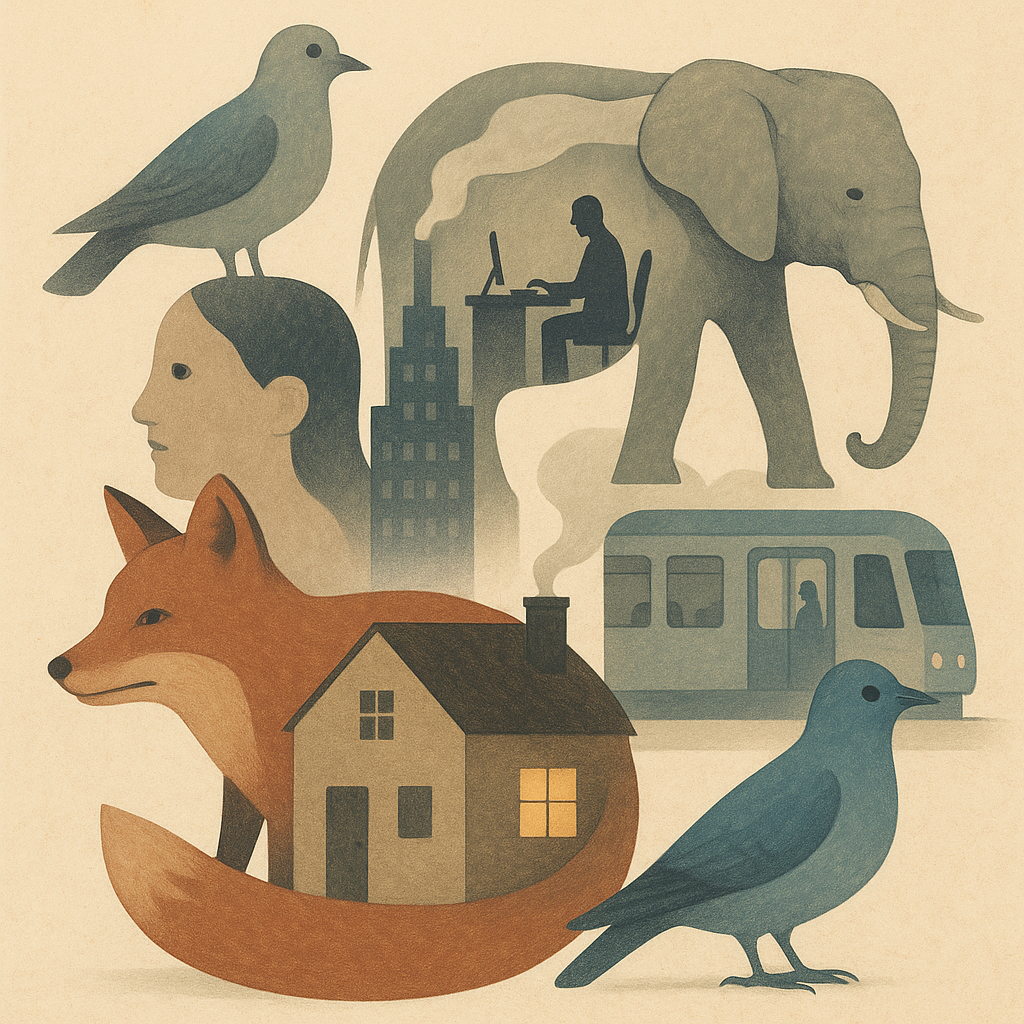
Where Did the Call for the ‘Third Animal’ Originate?
At first glance, the phrase seems enigmatic. Its origins are difficult to pinpoint definitively, though some have connected it to a conversation surrounding the development of narratives in modern media. As an industry abuzz with experimentation, video games have arguably led the charge in redefining how we experience stories. Take, for instance, Reanimal, the latest release from Tarsier Studios, praised for its grim and harrowing terrain. According to Rock Paper Shotgun, Reanimal builds on the haunting atmosphere of the critically acclaimed Little Nightmares, but ventures beyond mere horror to explore “a tale of war and slaughter.”
The “third animal,” then, symbolizes a necessary leap—moving beyond conventional methods and established tropes. Analysts suggest that the video game industry, now a $200-billion behemoth, is uniquely positioned to act as the incubator for such bold ideas. With its blending of interactivity and artistry, the medium has earned a reputation for upending traditional narrative formats. “The end of our comfort zone,” one game designer was quoted as saying during a recent panel at a Scandinavian gaming conference, “is where the true creative frontier begins.”
Breaking Away from Familiar Narratives
But the demand for transformation is not limited to the virtual realm. Across industries, creators are challenging the boundaries of what is possible in storytelling. Post-literacy, a term explored in The Atlantic article “The Orality Theory of Everything,” suggests that the dominance of text-based knowledge is making room for more immersive, audiovisual forms of exchange. These shifts, the article argues, “transform what it feels like to be a thinking person.” Social media, podcasts, and interactive AI-driven spaces offer deeper, more immediate modes of communication.
The “third animal” might thus be seen as a broader metaphor for this creative evolution. Where once we relied on the simple, almost binary structures of stories—good versus evil, predator versus prey—the modern era requires shades of complexity. It asks for a reckoning with ethical gray areas and the exploration of new technologies to do so.

Inspiration from Surprising Sources
The broader cultural push to innovate draws unexpected parallels from other areas. For example, Mental Floss recently highlighted five of the world’s most unique cafes—spaces where ingenuity is brewed into the atmosphere alongside coffee. From a snow-covered igloo café to one nestled in a reptile store, these environments thrive on their willingness to buck convention. Though wildly different from the mediums of storytelling or technology, they reveal something important: novelty and emotional resonance are universal languages.
Intriguingly, this demand for inventive thinking has extended beyond human creativity itself. In his interview with The Tim Ferriss Show, survivalist Jordan Jonas discusses how humans have coexisted with animals in extreme environments. “Animals don’t act with malice,” Jonas remarked. “And yet, their ingenuity and adaptability put many of us to shame.” The capacity to adapt, work in harmony, and rethink our immediate challenges is, perhaps, another reason “breaking out the third animal” resonates so deeply.
Where Do We Go From Here?
If animals symbolize qualities we aspire to—strength, instinct, adaptability—then the third animal demands more than just admiration. It asks for action. How can industries incorporate their lessons? The entertainment world may offer an answer. Across games, films, and even hybrid formats like AR/VR platforms, entertainment media is rapidly engineering more lifelike, more unpredictable gestures of storytelling that reflect the nuance of nature itself.
However, analysts argue that this movement risks overwhelming audiences if not done thoughtfully. Without grounding, these attempts to innovate could confuse the very creators and consumers they aim to inspire. “The measure of success,” an MIT researcher specializing in digital culture explained, “will be whether we’re teaching people to embrace new ideas without abandoning the lessons of old ones.”
Implications and Opportunities Ahead
As industries of all scales embrace the challenges posed by “breaking out the third animal,” the implications are significant. For creators, there’s an opportunity to think bigger but also to remain intentional. For consumers, the spotlight is on how they interact with this new wave of media. Interactivity, participation, and even modifications or personalized storytelling are likely to emerge as key trends.
The call to action remains this: Are we ready to embrace the third animal? With the right blend of imagination, courage, and reflection, this cryptic ethos might well become a defining philosophy for culture throughout the coming decades.