Images chosen by Narwhal Cronkite
Pentagon Tells Congress First Week of Iran War Cost More Than $11.3 Billion
The first week of the United States’ military engagement with Iran has encountered a severe financial reality: a price tag exceeding $11.3 billion. This staggering cost underscores the steep toll of war and raises difficult questions about the sustainability of such a conflict. As Congress grapples with the Pentagon’s report, analysts are concerned about the long-term economic and strategic consequences of escalating tensions in the region.
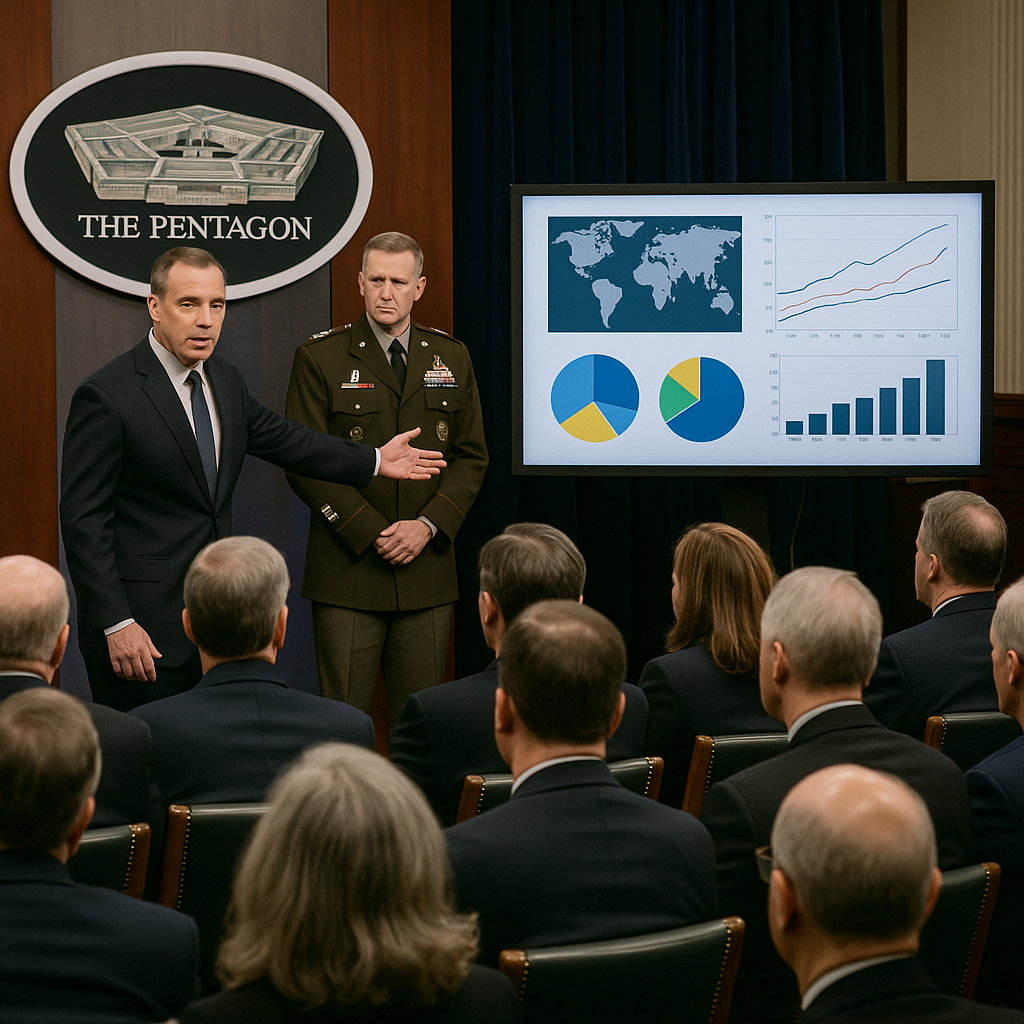
The Hidden Costs of Military Escalations
According to Pentagon reports, the initial $11.3 billion includes expenses for airstrikes, troop mobilizations, and logistical operations. These costs, however, don’t yet account for long-term humanitarian relief, reconstruction efforts, or potential ripple effects on energy markets. A closer look reveals the full financial strain a prolonged war could inflict on the American economy.
As Reason Magazine reported on February 24, 2026, experts within the Department of Defense had already warned against the logistical challenges of entering a conflict of this magnitude. “A prolonged engagement in Iran will stretch our resources, both militarily and economically,” one unnamed official disclosed. The Pentagon’s report now confirms these early warnings, drawing serious scrutiny from lawmakers and analysts alike.
The Atlantic, in an article titled “Why Pick a Fight With Iran Now?”, questioned the rationale behind the timing of this military move. The report speculated that President Trump’s administration had failed to offer a clear justification for the operation, raising concerns over whether this costly engagement could have been avoided altogether.
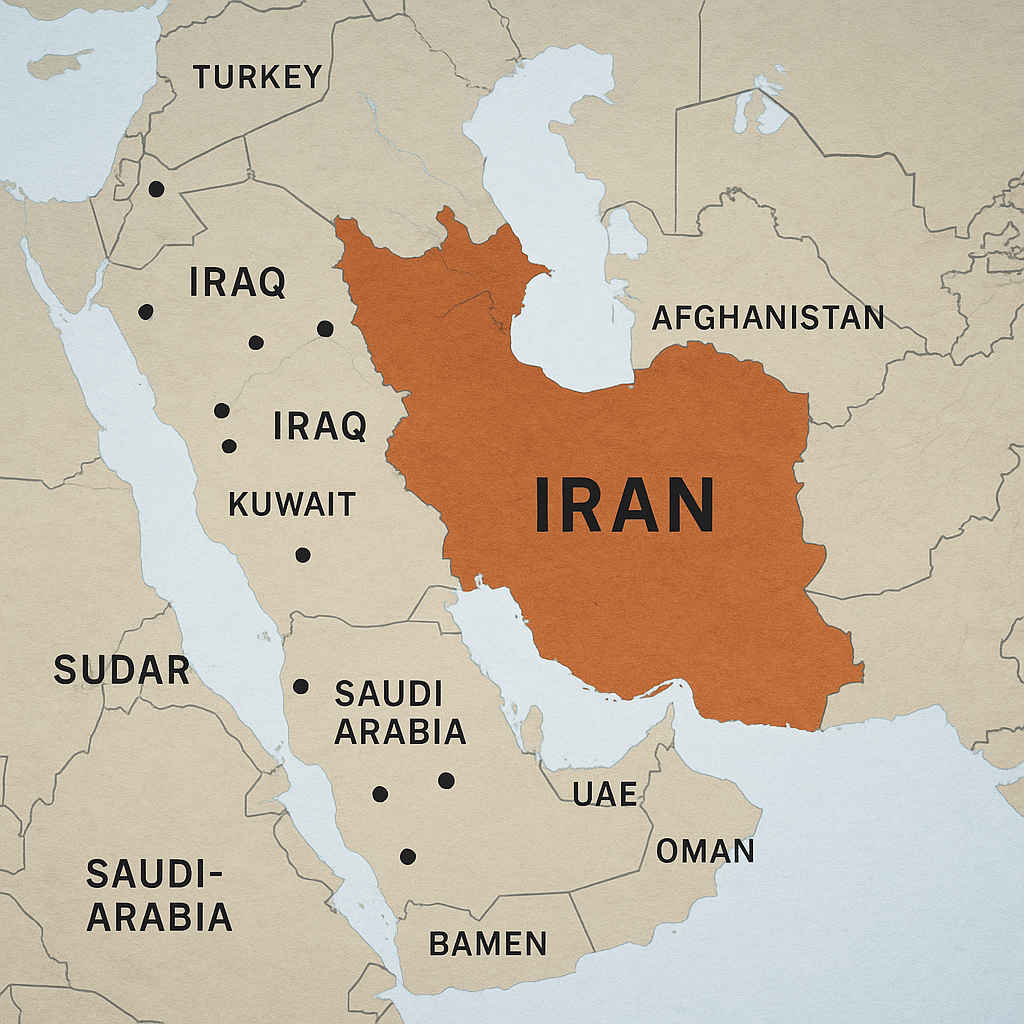
The Shadow of Domestic Divisions
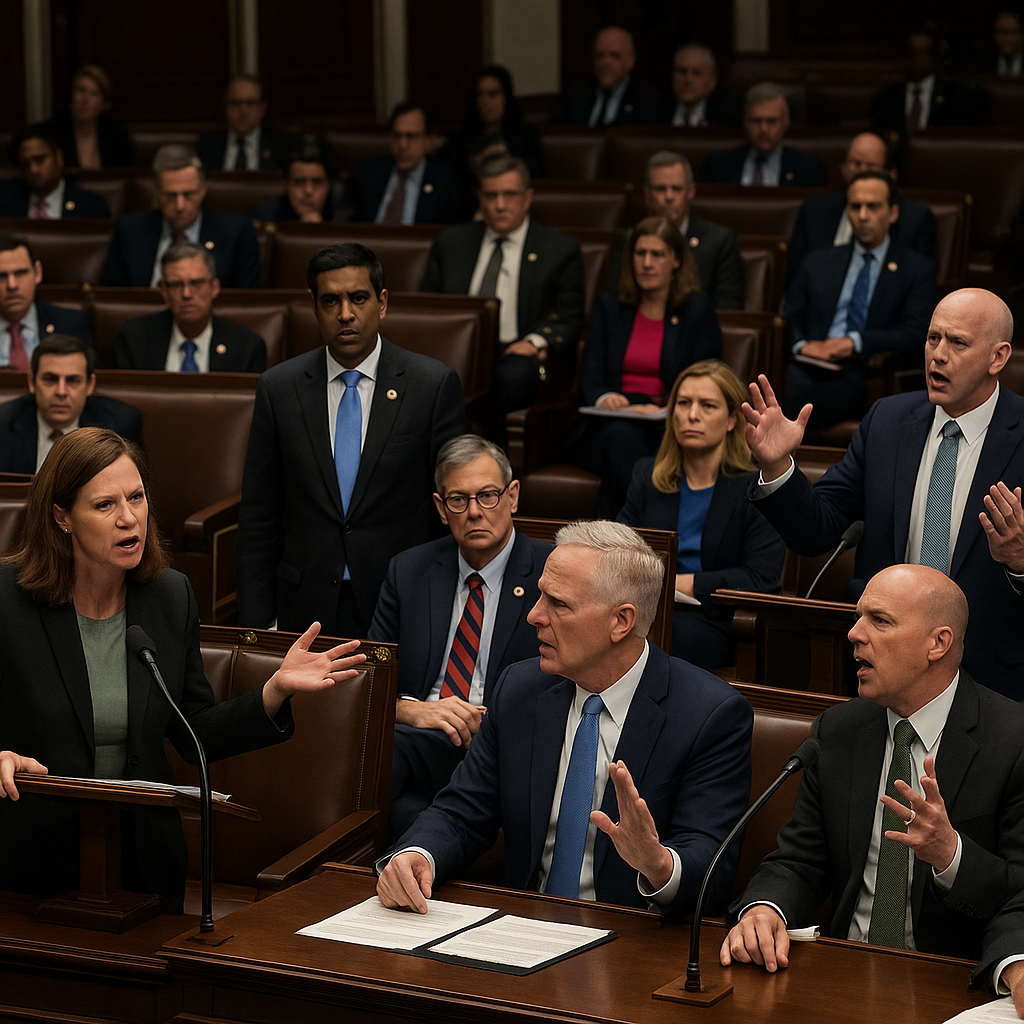
News of the $11.3 billion price tag has added fuel to an already polarized political debate in Washington. Congressional Democrats have seized the moment, emphasizing the financial burden the war places on taxpayers. “A billion dollars a day isn’t just bad policy—it’s a betrayal of our priorities at home,” one Democrat reportedly stated during a closed-door briefing, as covered by Legal Insurrection.
Republicans, in contrast, have largely sought to rally in support of President Trump, framing the conflict as a necessary measure to curb Iranian aggression. However, quiet skepticism has emerged within their own ranks. “We need to ensure that every dollar spent in this operation serves a defined strategic purpose,” said Congressman Mark Riley, a Republican lawmaker on the Armed Services Committee.
The potential futility of the operation—particularly without a coherent exit strategy—is a haunting concern. Political analysts warn that partisan divisions in Congress could paralyze the U.S. government’s ability to plan and fund the war effectively, potentially compromising the safety of American service members on the ground.
How Will the Private Sector Respond?
The economic impact of the war is reverberating far beyond Capitol Hill. Energy markets are bracing for disruptions in oil supplies, a critical export from the Persian Gulf. Financial analysts are keeping an eye on global crude prices, which have already spiked in anticipation of potential shipping bottlenecks. “This conflict has escalated the risk premium for oil,” energy analyst Samantha Hale noted. “If tensions persist, we could see further turmoil across commodity markets.”
In addition to energy costs, the Pentagon’s expenses have led to broader concerns about government spending priorities. Defense budgets are already under stress due to escalating costs in military technology, from autonomous weapons to AI-driven surveillance—areas that, controversially, have placed the Pentagon at odds with tech companies like Anthropic. Reason Magazine’s February 25 report highlighted military officials’ insistence on accessing AI systems for operational use, even at the expense of civil liberties, raising ethical concerns about private-public collaborations during wartime.
For defense contractors, however, the war could present opportunities. Many firms are seeing heightened demand for logistics support, weapons systems, and troop supplies. Yet critics argue that the financial windfall experienced by these companies comes at the expense of ordinary taxpayers, who will shoulder the financial burden for years to come.
Lessons From History: Is This Another Forever War?
The $11.3 billion figure has rekindled fears of another so-called “forever war,” drawing comparisons to the U.S. conflicts in Iraq and Afghanistan. In a sobering reflection, Reason Magazine noted in their February 24 report that prolonged military operations in the Middle East have historically led to massive budget overruns, resource shortages, and questions over America’s global standing.
Moreover, public support for military involvement abroad has waned in recent years. The chaotic U.S. withdrawal from Afghanistan in 2021 and subsequent revelations about bloated defense expenditures have left voters weary. This growing skepticism is echoed in the media; The Atlantic’s February analysis criticized the administration for failing to articulate how success in Iran would be measured or achieved, leaving a sense of déjà vu amid new uncertainties.
For some analysts, the most concerning parallels are societal rather than financial. “These wars erode public trust in government,” said political science professor Dr. Elle Carmichael. “The sheer scale of the financial commitment—without clear oversight—creates a climate of fear and distrust among everyday Americans.”
What Lies Ahead?
As Congress deliberates funding for the next phase of the conflict, eyes are on several key issues. How will the U.S. manage rising energy prices as sanctions on Iran tighten? Can the Pentagon adapt to sustain operations without further destabilizing its resources or troop morale? And perhaps most importantly, what will be the long-term diplomatic and financial costs of war?
With each passing week, the challenge for the U.S. administration grows to convince both domestic and international audiences that this conflict is worth its weight in taxpayer dollars and human lives. Without a clear endgame, the war with Iran risks becoming another chapter in a grim history of costly and protracted conflicts.
The stakes, both financial and moral, have never been higher. As the Pentagon continues to tally the costs, one question lingers in the minds of industry watchers and citizens alike: how far is the U.S. willing to go, and at what price?