Images chosen by Narwhal Cronkite
Spanish Prime Minister: Being an Ally of the US Does Not Mean Saying “Yes” to Everything
As global diplomacy grows more complex, Spain’s Prime Minister Pedro Sánchez has emphasized a vital nuance in international alliances: partnership does not equate to blind agreement. In a statement that has captured international attention, Sánchez argued that Spain’s alliance with the United States would continue, but it would reflect Spain’s own political and strategic priorities. The declaration comes against the backdrop of a fraught geopolitical landscape, where Spain’s neutrality on the U.S.-Iran conflict is testing the fabric of traditional alliances.
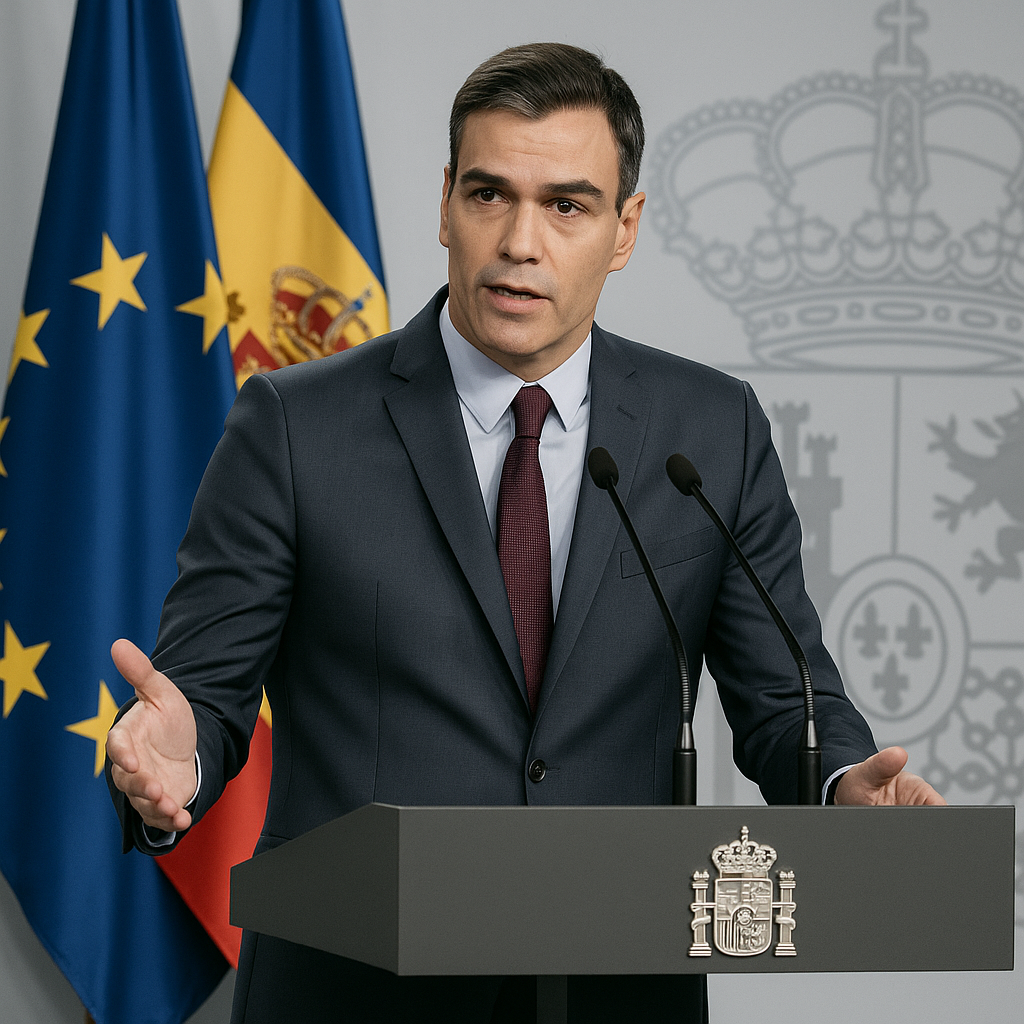
The Straining Allyship: Spain and U.S. Diverge Over Iran
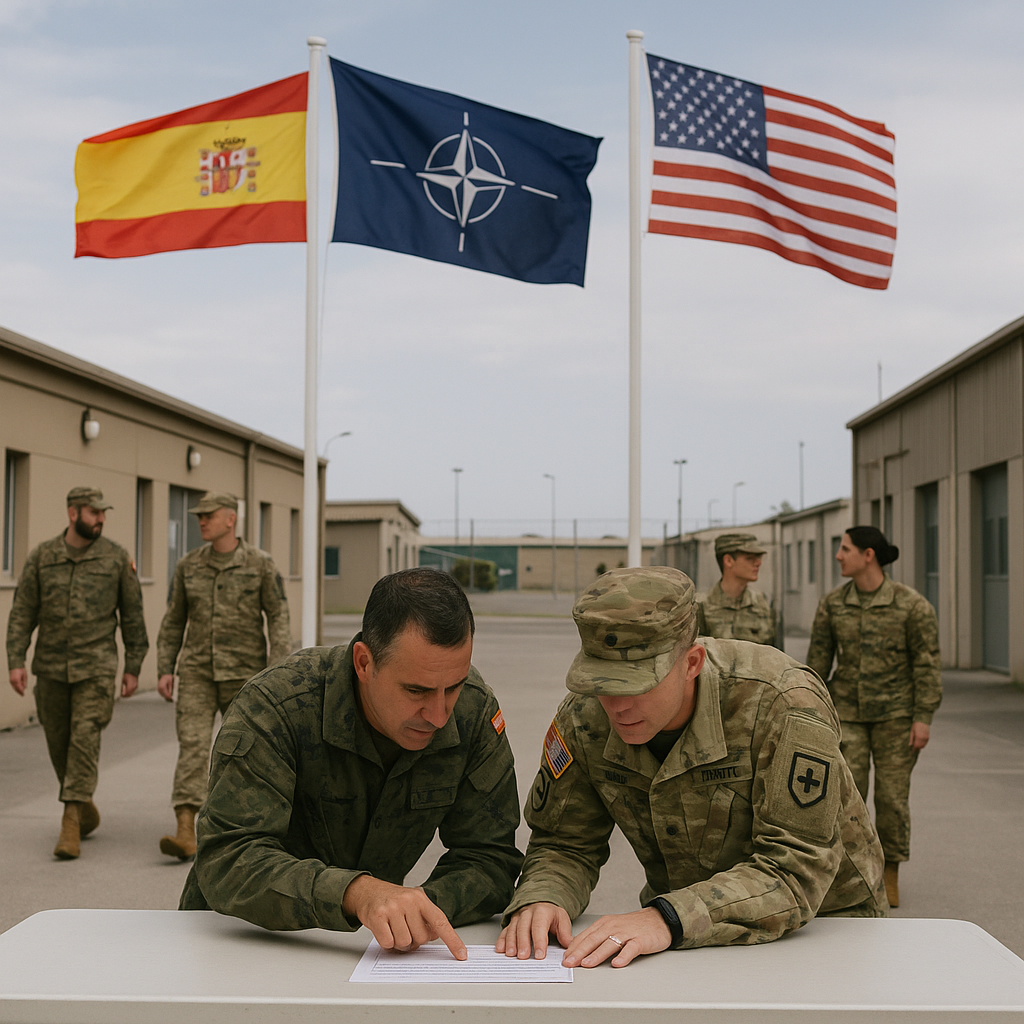
The tension between Madrid and Washington has been building, particularly over the escalating conflict involving the United States, Israel, and Iran. As reported by NPR (3/5/2026), Spain took the bold step of refusing the use of its military bases—facilities jointly operated with the U.S.—for American-led operations in the Middle East. This decision came as the U.S. and Israel intensified military actions against Iran, prompting Sánchez to prioritize neutrality and regional diplomacy over direct involvement in the conflict.
The Spanish government’s stance has not been without consequence. President Donald Trump swiftly condemned Spain’s refusal, even threatening to sever trade ties. According to Natural News (3/6/2026), Trump labeled Spain “uncooperative” and criticized its failure to meet NATO defense spending benchmarks. This sharp rebuke highlights the challenges of maintaining independent foreign policy positions within security alliances, especially as nations weigh the risks of alienating powerful allies.
Europe’s Fractured Front: Unity Under Pressure
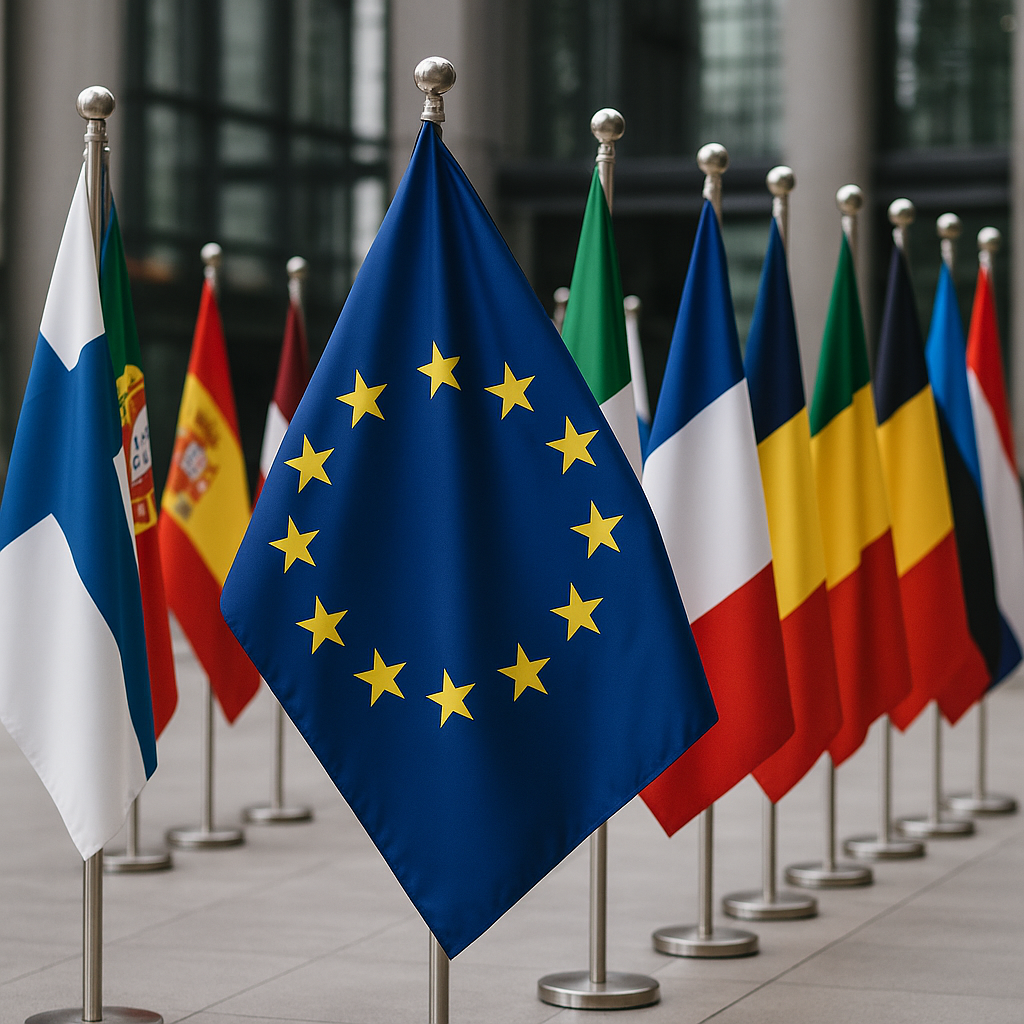
Spain’s decision to chart its own course mirrors broader fissures within the European Union. The bloc has shown reluctance to adopt a unified stance on the recent U.S.-Iran conflict. Al Jazeera English (3/4/2026) reports that several EU states are rallying around mutual defense policies, yet consensus remains elusive. Spain’s neutrality further underscores this struggle, marking a divergence from the more hawkish positions of countries like the United Kingdom.
Industry observers suggest that Spain’s approach represents a recalibration of its role within the transatlantic framework. “We are seeing a repudiation of the idea that alliances necessitate uniformity,” says one European security analyst. Sánchez’s resistance to U.S.-led military operations could signal a shift toward a foreign policy that prioritizes multilateralism over alignment with singular powers.
The Economic Fallout: Risks and Repercussions
While Spain’s stance has drawn praise from anti-war advocates, it also brings significant risks, particularly on the economic front. The United States is one of Spain’s largest trading partners, and any disruption to this relationship could have ripple effects across critical industries, from automotive exports to tourism. Trump’s warning of halting all trade with Spain, as reported by Natural News, is no idle threat. Spain’s reliance on American markets means even a partial reduction in trade flows could translate into economic slowdowns.
On the other hand, Spain’s defiance might bolster its standing with other partners. Sánchez’s neutral stance could enhance Madrid’s credibility as a mediator, particularly among nations wary of U.S. foreign policy moves. If successfully leveraged, this position could allow Spain to forge stronger ties within Europe, as well as with Middle Eastern and Asian markets.
Balancing Principles with Pragmatism
At the heart of Spain’s approach lies a difficult balancing act between principles and pragmatism. As Breitbart News (3/4/2026) highlights, Sánchez has framed his foreign policy as one grounded in peace and neutrality. However, critics argue that this stance could undermine Spain’s commitments to NATO and its transatlantic relationships.
The debate over Spain’s position has reignited larger questions about the nature of alliances in the modern era. Is it possible, some analysts ask, for a nation to uphold its sovereignty while remaining an effective ally? The answer may depend on how Spain navigates the immediate fallout and whether it can maintain constructive dialogue with its partners.
What to Expect Next
As the geopolitical landscape evolves, Spain’s strategy is likely to remain under scrutiny. Observers will be closely watching whether Madrid implements further measures to assert its autonomy—for instance, by revisiting agreements tied to NATO or even expanding its diplomatic outreach to non-Western nations.
Another key point of focus will be the U.S. response. Will Washington escalate its rhetoric or soften its position? Much depends on the trajectory of the Iran conflict and the broader dynamics within NATO, where Spain’s position could either spur constructive debates or deepen divisions.
Ultimately, Spain’s example may have implications far beyond its borders, potentially influencing how smaller nations in powerful alliances assert their agency. Whether Sánchez’s approach will succeed in redefining allyship dynamics or result in unintended isolation remains to be seen.