Images chosen by Narwhal Cronkite
Colon Cancer Becomes Leading Cause of Cancer Deaths for Americans Under 50
For decades, colon cancer has predominantly been seen as a disease impacting older adults. However, alarming new data shows that colorectal cancer has become the leading cause of cancer deaths for people under the age of 50 in the United States. As diagnoses surge among younger individuals, experts are sounding the alarm about the critical importance of early detection and heightened awareness of symptoms. This shift has raised profound questions about how lifestyle, public health interventions, and genetics intersect to influence cancer trends across generations.
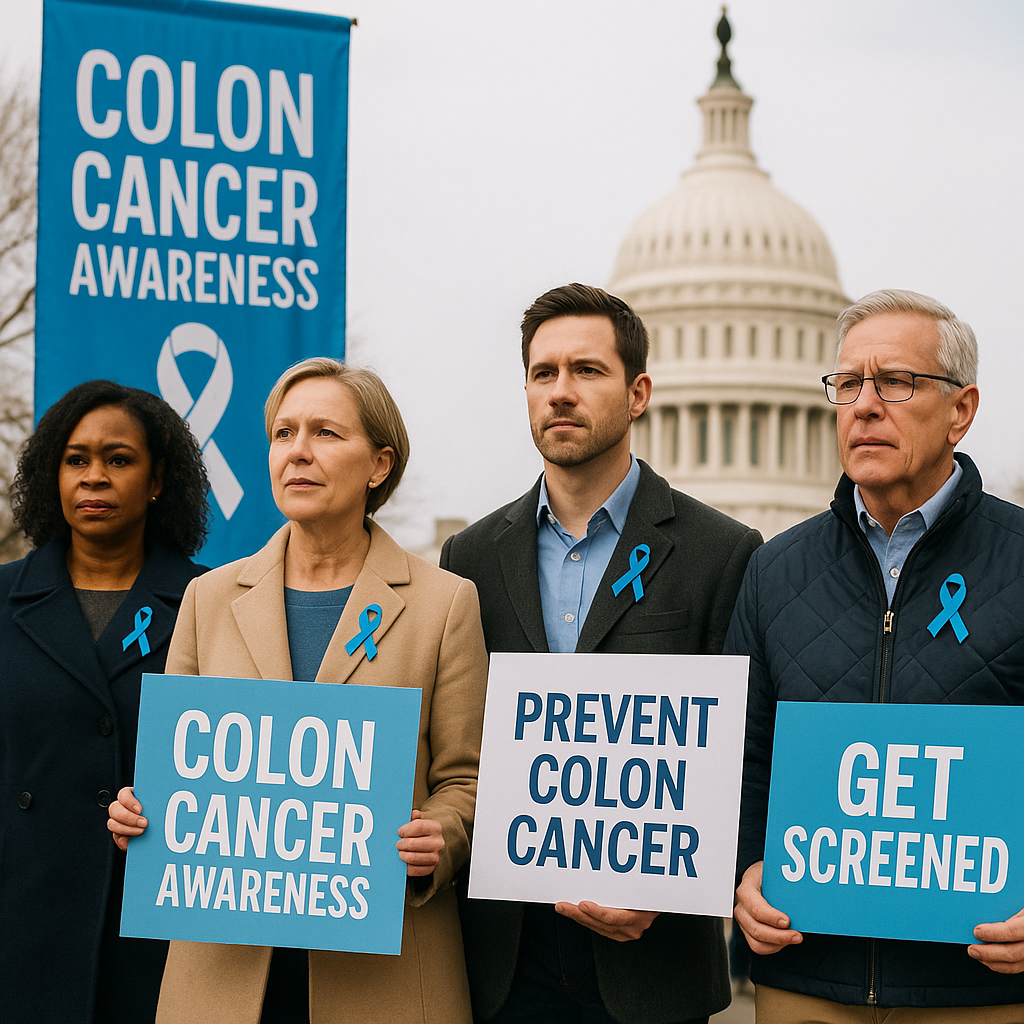
Shocking Rise in Cases: A “Silent Epidemic” Among Millennials and Gen Z
The findings, derived from an analysis by the American Cancer Society, represent a stark and disturbing change in colorectal cancer trends. According to Rebecca Siegel, senior director of cancer surveillance research at the organization, the majority of those under 50 diagnosed with colorectal cancer are already in advanced stages, largely due to a lack of regular screenings. Siegel described the issue as a “silent epidemic,” with symptoms like rectal bleeding, changes in bowel habits, and abdominal discomfort often dismissed as relatively benign or attributed to stress.
One such patient is Becca Lynch, a 29-year-old cybersecurity professional from Denver, Colorado, who was diagnosed with advanced colon cancer last year. Reflecting on her experience, Lynch says she initially ignored her symptoms, which included frequent bowel movements, dark blood in her stool, and “pencil thin” stools. “I just thought it was stress,” she remarked. Only after coming across an Instagram story urging viewers to take such symptoms seriously did she seek medical advice, which ultimately confirmed a stage 3B diagnosis.
{{$nbsp}}The lack of awareness about early symptoms is echoed in other tragic cases, including that of actress Catherine O’Hara and actor James Van Der Beek, both of whom succumbed to colorectal cancer within the past year. Their deaths have prompted renewed discussions about the disease’s growing impact on younger age groups.

What’s Behind the Surge in Younger Diagnoses?
The rise in colorectal cancer among younger individuals has left researchers investigating a range of possible causes. While aging has been historically recognized as the leading risk factor for this disease, recent studies suggest that modern lifestyles may play an increasingly large role. Factors such as diet, sedentary behavior, and stress-related inflammation have been linked to elevated risks. Additionally, emerging evidence points to potential associations between gut microbiome imbalances and colorectal cancer. According to Natural News, harmful bacteria and inflammation in the digestive system could actively contribute to DNA damage in colon cells.
Beyond lifestyle, health advocates stress the importance of social and structural barriers in preventing young people from seeking timely care. The stigma surrounding topics like digestive health or rectal bleeding often dissuades many from addressing concerns with a healthcare provider. As Dr. Thaïs Aliabadi explained in an interview with Business Insider, “We need to normalize talking about colorectal health just like we do with breast or skin cancer. Awareness can save lives.”
What to Look Out For: Recognizing the Symptoms
Experts underscore that the key to combatting rising mortality rates lies in early detection and education. Too often, symptoms of colorectal cancer masquerade as minor inconveniences or other common ailments. Common signs to watch for include:
- Unexplained, consistent rectal bleeding
- Persistently narrow stools (“pencil thin” appearance)
- Unexplained weight loss
- Abdominal pain or discomfort
- Frequent bowel movements or changes in bowel habits
If any of these symptoms persist for more than two weeks, it’s critical to consult a healthcare professional. As Bored Panda reports, advances in diagnostic technology, including non-invasive stool tests like Cologuard, have made initial screenings more accessible than ever. Confirmatory colonoscopies remain the gold standard for early detection, particularly for individuals with family histories of the disease.

How to Reduce Your Risk
Given this sobering trend, many have begun asking: What can be done to protect younger generations from this disease? The good news is that colorectal cancer is among the most preventable cancers when caught early, and there are steps individuals can take to significantly reduce their risk:
- Adopt a Healthy Diet: Increase your intake of fiber-rich fruits, vegetables, and whole grains while limiting red and processed meats.
- Stay Active: Regular moderate exercise has been associated with a lower risk of colorectal cancer.
- Mind Your Gut Health: Emerging data suggests that maintaining a balanced gut microbiome through probiotics and a healthy diet can lower inflammation risks.
- Screen Regularly: Current guidelines recommend starting colorectal cancer screening at age 45, but individuals with a family history should consult their doctor about starting sooner.
Public health experts argue that policy changes to subsidize screenings, particularly for high-risk groups or underserved populations, could also make a measurable difference in lowering mortality rates.
The Road Ahead: Bridging Gaps in Awareness and Care
As colorectal cancer continues to claim the lives of young Americans, the challenge for public health officials, healthcare providers, and advocacy groups will be to communicate its risks without creating fear. Stories like Becca Lynch’s highlight that empowerment through education can be a powerful intervention. “If I can help even one person catch this early, then sharing my story will have been worth it,” she says.
Simultaneously, researchers are working to understand the broader factors driving this phenomenon. Advances in genetic testing, microbiome research, and non-invasive diagnostic tools could revolutionize how the disease is identified, managed, and ultimately prevented.
The answer lies in early action – from individuals, communities, and policymakers. As Dr. Aliabadi aptly put it, “We have the knowledge to reduce these numbers; our next step is taking the courage to act on it.” For now, vigilance could make the difference between life and death for thousands of young people each year.
Conclusion: The Time for Awareness is Now
The surge in colon cancer cases in younger populations underscores an urgent need for education, proactive care, and public health interventions. With colorectal cancer now leading the charge as the number one cancer-related cause of death for those under 50, the stakes could not be higher. As researchers uncover more about its causes and effective prevention strategies, the focus should remain on empowering individuals to seek help early when symptoms arise. The future, while fraught with challenges, offers hope – if society chooses action over complacency.