Images chosen by Narwhal Cronkite
Israel Facing an Interceptor Shortage Amid Heightened Regional Tensions
As the war between Israel and Iran escalates, a critical shortage in ballistic missile interceptors is raising alarms within military and diplomatic circles. U.S. officials, who have been closely monitoring the situation, confirmed this week that Israel’s long-range defense systems are running dangerously low, potentially leaving the nation vulnerable to sustained missile attacks. This revelation marks a crucial turning point in the ongoing conflict and underscores the broader implications for global security.
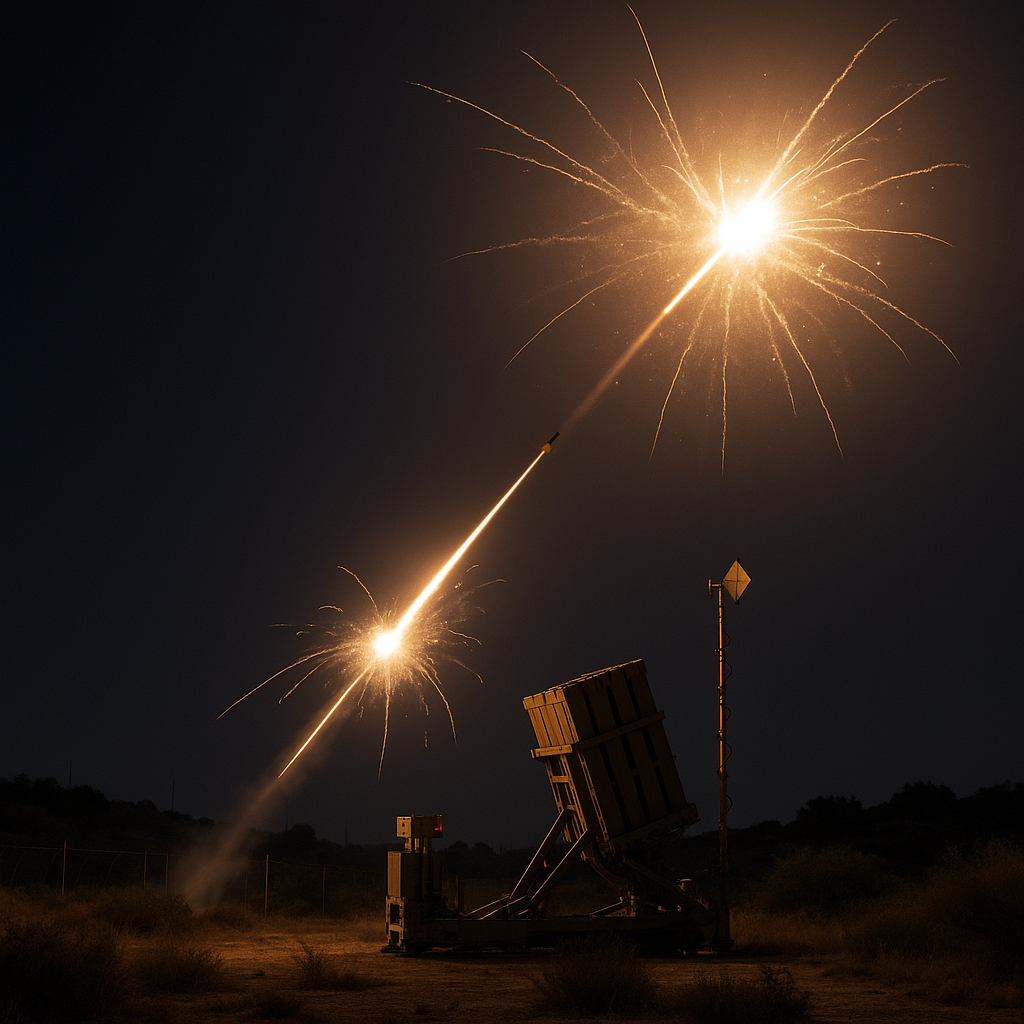
Why Interceptors Are Critical to Israel’s Defense
The shortage of interceptors is a pressing concern because these defensive systems act as a critical shield against missile threats. Israel’s Iron Dome system is world-renowned for its effectiveness in neutralizing short-range volleys, but countering longer-range missiles—especially those enhanced with advanced payloads like cluster munitions—requires a more robust response. Enter ballistic missile interceptors, which are central to the country’s long-range missile defense strategy.
According to U.S. officials, Israel had already depleted much of its stockpile during last summer’s conflict with Iran. Compounding the issue, Iran’s current use of cluster munitions in missile strikes has accelerated the depletion of interceptors, leaving Israel in an increasingly precarious position. “This is something we expected and anticipated,” one U.S. official told Semafor, acknowledging that the shortage was a foreseeable challenge.
The acknowledgment comes amid statements from the Pentagon reassuring that U.S. forces have sufficient missile defenses to protect their own regional assets. However, the potential strain of sharing American resources with Israel could affect long-term readiness—a scenario raising concerns among military analysts about the broader ripple effects of these shortages.
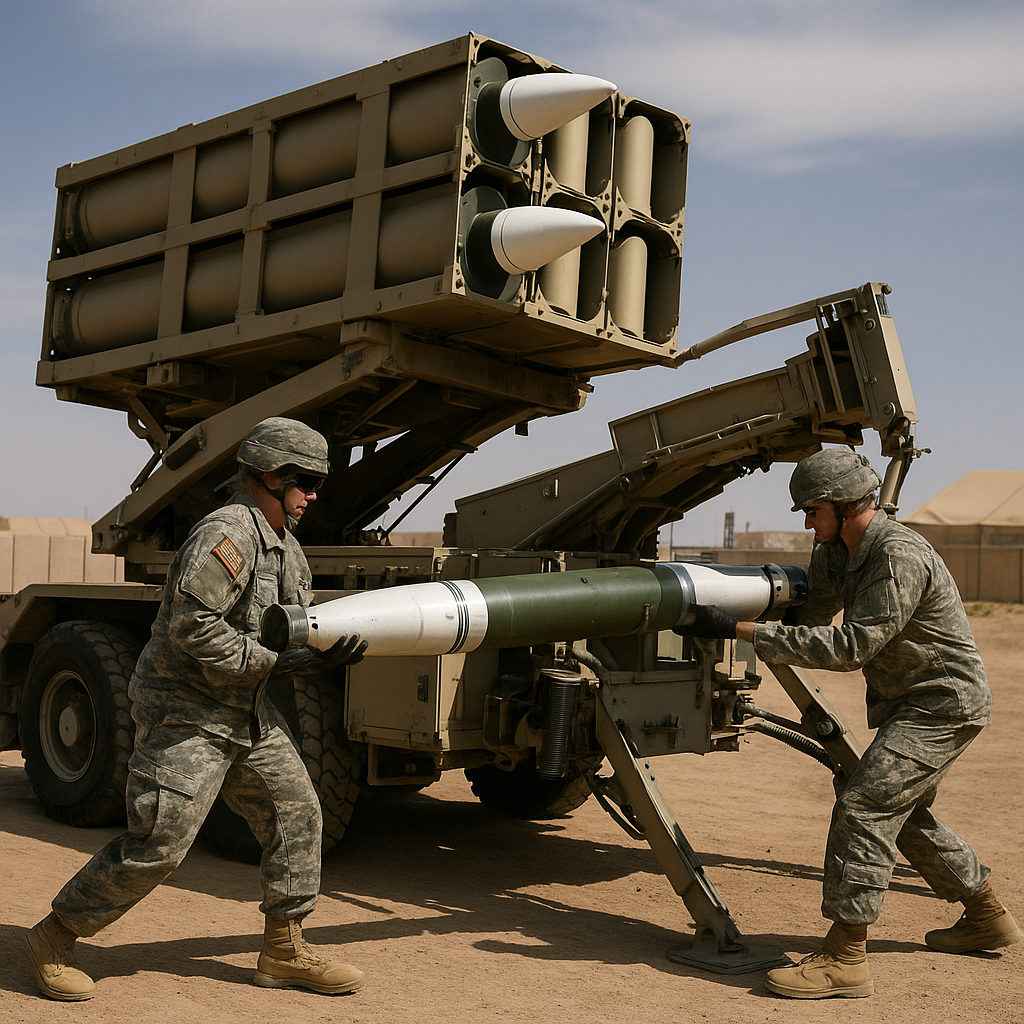
Historic Patterns and Current Strains
Israel’s reliance on interceptors dates back to the development of its multi-layered missile defense systems, which include platforms like Arrow-2 and Arrow-3 for high-altitude targets and David’s Sling for mid-range threats. These systems have been pivotal in neutralizing attacks from adversaries like Hezbollah and, more recently, from Iranian-backed forces.
However, military planners have long contended with the difficult balance between operations and logistics. The depletion of interceptors is not an isolated issue. During the 12-day war between the U.S. and Iran last June, American forces expended over 150 THAAD interceptors, a significant portion of the country’s inventory at the time, according to the Center for Strategic and International Studies (CSIS). Analysts estimate that the U.S. used a staggering $2.4 billion worth of Patriot interceptors in the first week of the current conflict.
This high consumption rate has exposed vulnerabilities in maintaining adequate reserves during prolonged military engagements. While President Donald Trump has repeatedly claimed the U.S. maintains a “virtually unlimited” munitions stockpile, industry observers counter that replenishing stockpiles takes time—and that time is running out for both the U.S. and its allies.
Could U.S. Support Alleviate the Pressure?
The U.S. has historically provided missile defense assistance to Israel, including financial aid for the Iron Dome system and periodic replenishments of interceptors. However, sharing U.S. interceptors with Israel poses strategic challenges. Not only would this strain American stockpiles, but it might also spark debate within the Pentagon about prioritizing domestic versus international needs.
Some experts suggest that Israel must look beyond Washington for solutions. Developing additional indigenous production capacity, for example, could be a long-term strategy to prevent recurring shortages. Additionally, regional cooperation with allies, such as the Gulf states, might open doors for other sources of technical or logistical support. At present, according to U.S. officials, Israel is “coming up with solutions to address” its shortage, but concrete details remain undisclosed.
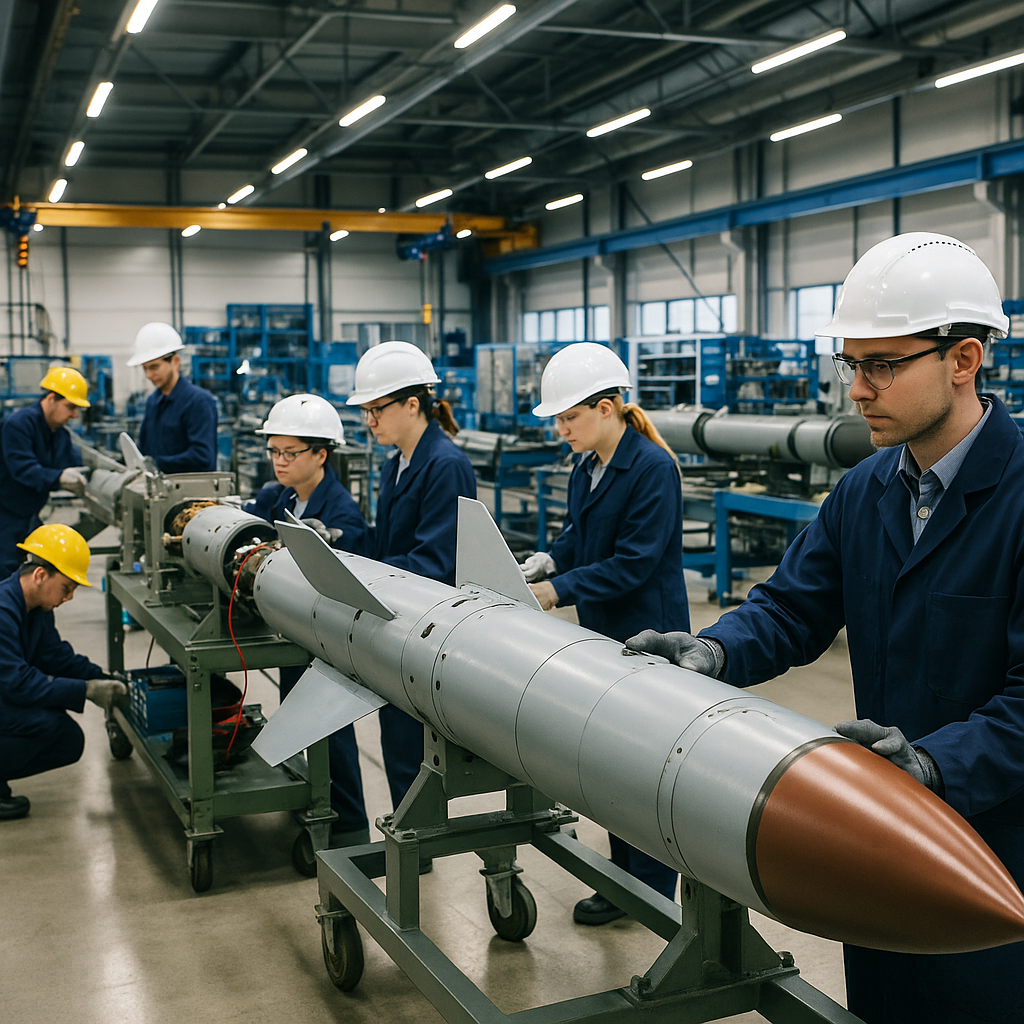
Impacts of the Shortage on Regional Stability
The shortage of interceptors has implications far beyond the immediate Israel-Iran conflict. A weakened Israeli missile defense capability could embolden adversaries, further destabilizing an already fragile region. For instance, regional militias that rely on Tehran’s support, such as Hezbollah and Hamas, might take advantage of gaps in Israel’s defenses to escalate their attacks.
In addition, the depletion of Israeli resources could place more pressure on American forces to fill the security void in the region. With U.S. military installations and personnel stationed across the Middle East, any expansion of hostilities risks dragging Washington into deeper involvement, whether through direct military action or increased logistical support for allies.
These developments come against the backdrop of a highly complex geopolitical landscape where countries are vying to recalibrate their security strategies. In a recent analysis published in The New Republic, military experts warned that “Phase II” of the U.S.-Iran conflict could bring an even more unpredictable and dangerous level of escalation. The article also emphasized that key decisions about resource allocation and foreign aid will have to be calculated meticulously to avoid unintended consequences.
What Comes Next?
As the conflict continues, both Israel and the United States face critical decisions about how to manage their finite military resources. The Pentagon has already taken steps to ramp up production of THAAD systems, though it remains unclear whether this can outpace the demand created by simultaneous conflicts.
The broader question is whether Israel can fortify its missile defense capabilities fast enough to prevent further escalation. Parallel efforts to seek alternative defense strategies—such as intensified air missions or advanced electronic warfare systems—may help fill the gap temporarily, but experts agree that long-range interceptors remain an indispensable tool.
For now, all eyes will be on how Israel maneuvers through this critical juncture. With stakes running high for both regional security and global alliances, the coming weeks may offer a clearer picture of whether current shortages mark a temporary hurdle—or a far more enduring vulnerability.
As the situation develops, diplomatic avenues may also become more prominent. Whether the U.S. chooses to deepen its logistical support for Israel or Israel turns to alternative partnerships, the country’s ability to withstand mounting missile threats will be a key storyline in the ongoing regional conflict.
In the words of one military strategist, “Missile defense is not just about intercepting rockets. It’s about maintaining the confidence of allies, deterring adversaries, and preserving strategic stability in one of the most complex regions of the world.” With that in mind, the next moves by both Israel and its allies could determine the shape of regional security for years to come.