Images chosen by Narwhal Cronkite
Pope Leo Urges Media to Prioritize Truth Over Propaganda in War Reporting
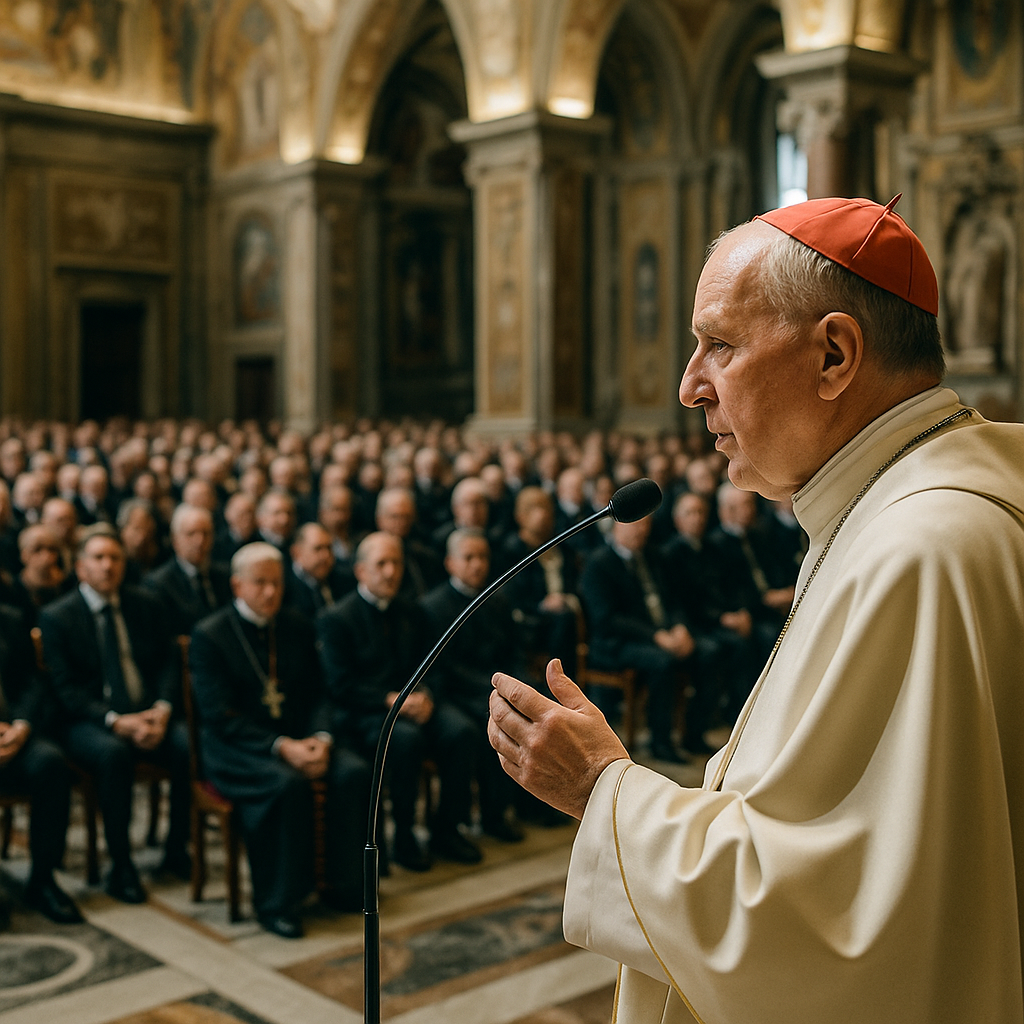
In an era defined by crises and conflicts, Pope Leo has called on media outlets worldwide to rethink their approach to covering war. The pontiff’s plea, made during a Vatican address on March 16, has sparked significant discussions in journalism and beyond. His message was simple yet profound: shift the focus from amplifying propaganda to highlighting the human suffering caused by war. “The role of the media is to serve as a mirror of truth and not as an accomplice to conflict narratives,” Pope Leo stated.
Why War Reporting Matters in Today’s Media Climate
In modern reporting, war coverage holds a unique and controversial space. With conflicts proliferating across the globe, the media plays a pivotal role in shaping public perception. Yet, this responsibility is often fraught with challenges. As highlighted by Reuters, Pope Leo’s remarks come amidst growing concerns about misinformation, biased narratives, and the exploitation of war imagery for political gains. Many experts contend that war journalism has increasingly evolved into a battleground of ideologies, pitting impartiality against the agendas of various factions.
Pope Leo’s comments strike at the core of this dilemma. “A journalist is not a mouthpiece for power,” he told the audience. “You carry the responsibility of showing the wounds and the cries of those who have no voice.” His statement points to one of the greatest challenges for the press: presenting the harsh realities of war without falling prey to disinformation or political manipulation.
The Intersection of Media, Propaganda, and Public Opinion
The relationship between media and war has often been complicated, with examples dating back to wartime propaganda campaigns during the 20th century. Today, with the unprecedented reach of digital platforms and social media, the challenge of discerning fact from propaganda has only intensified. “Editors face immense pressure to break stories, sometimes without verifying them fully,” said media analyst Dr. Clara James. “Conflicts often involve multiple layers of complexity, and governments or factions use this as an opportunity to sway public opinion through misinformation.”
Observers argue that the Pope’s request for the media to highlight the human cost of war is a remedy to this growing concern. “Showing the suffering shifts the narrative,” Dr. James added. “It forces viewers to confront the horrifying realities of violence rather than accept oversimplified, partisan stories.”
How Media Can Become Instruments of Peace
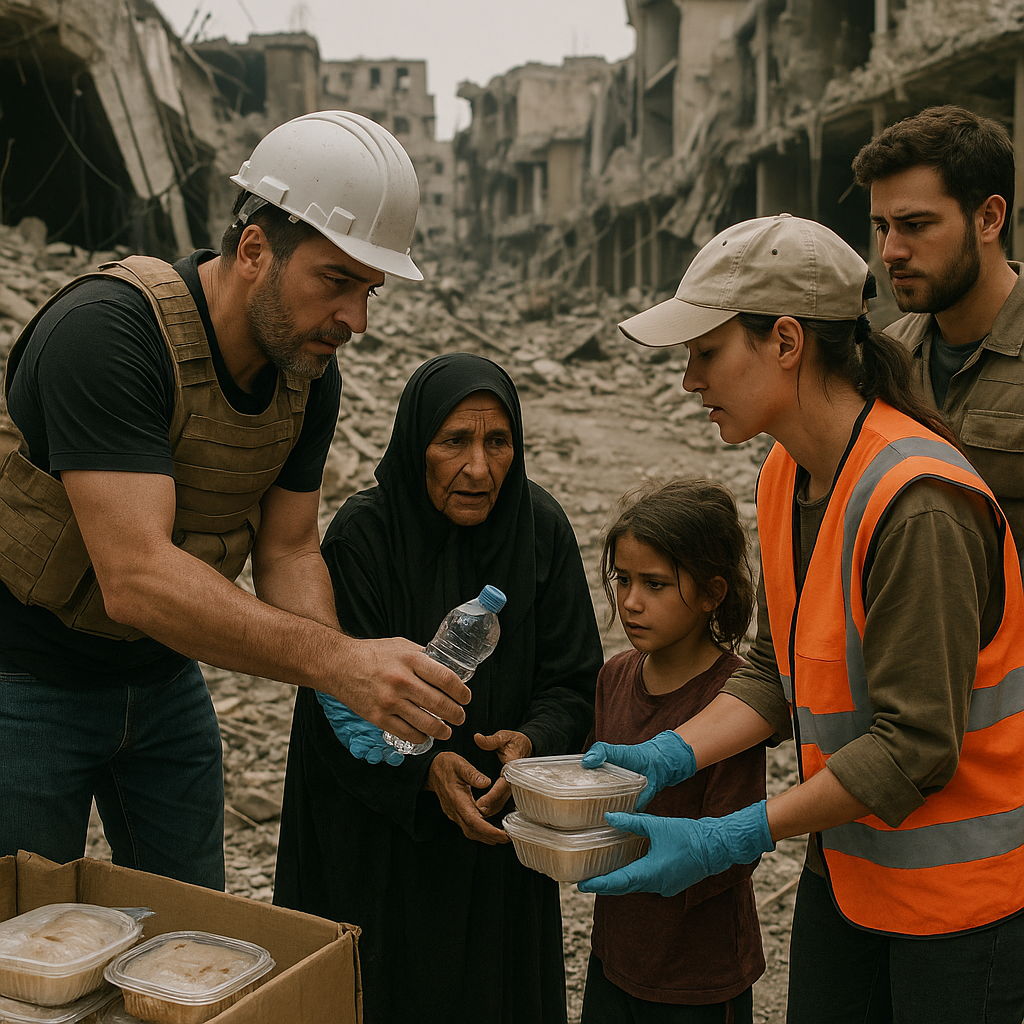
In his address, Pope Leo did not simply critique the media but also offered a vision of what responsible war coverage could achieve. “Through honest images and narratives, you can foster compassion, not hatred,” he emphasized. The pontiff’s remarks reframe journalism’s traditional watchdog role into a mission for peace-building.
Some newsrooms are already adopting practices aligned with such ideals. For instance, organizations like the Associated Press and Al Jazeera have established rigorous fact-checking and ethics committees for war reporting. They emphasize maintaining objectivity while focusing on the plight of civilians affected by conflicts. The International Red Cross has also partnered with journalists to improve the accurate depiction of humanitarian crises.
Yet, challenges persist. Media houses face financial pressures, shrinking newsrooms, and audience demands for stories that resonate emotionally. Striking a balance between these realities while adhering to ethical principles remains paramount. “There are no easy solutions,” said Jane McArthur, a Pulitzer-winning war correspondent. “But as Pope Leo suggests, the focus must shift to the profound human costs of conflict. That is the truth that transcends politics and propaganda.”
Public Awareness and the Critical Role of Media Literacy
The pontiff’s appeal also highlights the increasing necessity for media literacy among the general public. In times of war, audiences are inundated with narratives that may be incomplete, misleading, or outright fabricated. Without the ability to critically analyze such content, consumers risk being swayed by propaganda, which can escalate divisions and impede efforts for peace.
“Media literacy is essentially the public’s armor against misinformation,” said Sarah Bennett, a professor of communication studies at the University of Toronto. “Understanding how stories are framed or why certain images are circulated over others is crucial in forming an informed opinion.” By encouraging viewers to differentiate between constructive reporting and propaganda, experts argue, societies can foster broader empathy without becoming tools for manipulation.
The pontiff’s address underscores the importance of this skill. His remarks not only challenge the media but also nudge audiences to demand fair, compassionate, and accurate portrayals of the world’s most critical issues.

What Lies Ahead for War Reporting
Pope Leo’s call to action shines a light on an ongoing moral debate about the role and responsibility of the media. As technology continues to shape journalism, new opportunities will arise to pursue more humane and empathetic reporting. Initiatives such as virtual reality experiences showing life in war zones and AI tools for countering fake news may pave the way for more truthful depictions.
For now, the path forward may depend on the willingness of journalists, editors, and media organizations to recommit to core principles of integrity and humanity. As Pope Leo aptly remarked, “Peace begins when we see the other not as our enemy but as a fellow human being bearing the same brokenness as our own.”
Moving forward, it remains to be seen how major media institutions respond to his challenge. Will industry leaders reevaluate their editorial standards? Will audiences demand more human-centered stories during crises? What role might governments or technology have in ensuring the veracity of war coverage?
For journalists, these questions aren’t just professional dilemmas but moral imperatives. As they grapple with them, the global audience will watch closely, hoping to see a media landscape that illuminates the truth without exacerbating divisions.