Images chosen by Narwhal Cronkite
ASU Free Speech Event Canceled Amid Controversy: What’s Really at Stake?
Arizona State University (ASU), known for promoting intellectual dialogue, recently found itself at the center of debate after a planned free speech event was reportedly canceled. Allegedly, the decision was triggered by objections from Erika Kirk, a prominent figure known for her strong political and social views. This incident sparks broader questions about the complexities of free speech in today’s polarized landscape, where academic institutions often face conflicts between inclusivity and allowing dissenting voices.
What Happened at ASU?
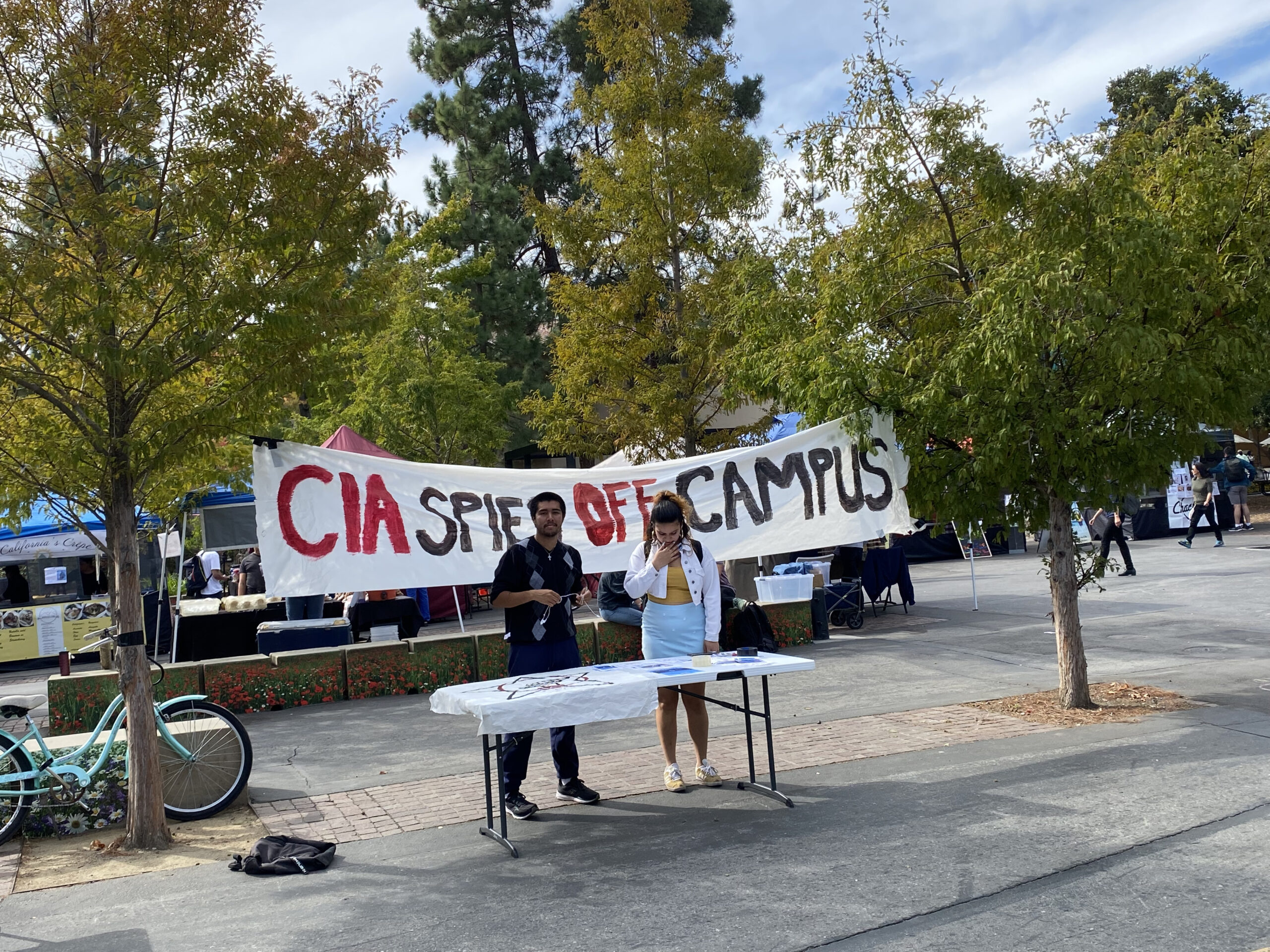
The planned free speech event at ASU was intended to foster a conversation around the power and nuances of free expression in a democratic society. However, according to reports from local publication Tempe Local News, it was unexpectedly canceled after Erika Kirk raised objections. Kirk’s influence, whether stemming from her political stature or personal convictions, appears to have swayed decision-makers.
Details surrounding her objections remain unclear, leaving room for speculation about whether her concerns were related to the content of the event, its speakers, or anticipated controversies. Industry observers note that this cancellation comes amid a broader trend of clashes between ideological groups on university campuses worldwide.
This cancellation mirrors events happening elsewhere, such as tensions reported at Sydney Biennale, where a major corporate sponsor withdrew due to alleged hate speech during opening night. ARTnews points out how these incidents highlight the evolving definition of free speech and the boundaries of acceptability in public forums.

Broader Implications for Free Speech in Academic Spaces
Free speech debates on university campuses are far from new, but recent trends suggest an increasing polarization of opinions. Academic institutions, often tasked with balancing intellectual diversity and inclusivity, frequently find themselves at the center of these battles. Analysts suggest that the ASU incident underscores the challenges of preserving the integrity of open dialogue amid external pressures.
According to Human Rights Watch, similar tensions have emerged in other spheres, such as political trials in Türkiye, highlighting how free expression is often weaponized or suppressed to align with prevailing authorities or ideologies. In academia, high-profile cancellations like ASU’s not only impact the institution’s reputation but also discourage discourse that pushes against the status quo.
Furthermore, industry observers warn that this trend may intimidate academics, students, and event organizers who worry about possible backlash if their topics or viewpoints are deemed controversial.
The Role of Influencers and Political Figures
As a prominent figure, Erika Kirk’s alleged involvement in the cancellation invites questions about the disproportionate role that political personalities or influencers might play in curating conversations within public institutions. Advocacy groups argue that individuals in power—be it political leaders, sponsors, or cultural commentators—often possess a louder voice that risks drowning out grassroots voices.
However, defenders contend that figures like Kirk may reflect legitimate concerns about ensuring respectful or balanced dialogue. They propose that public officials voicing objections could encourage greater scrutiny of event planning processes, ensuring that discourse remains constructive rather than divisive.

Striking the Balance Between Free Speech and Inclusive Spaces
Finding and maintaining a balance between free speech and maintaining safe, inclusive spaces is arguably one of the most pressing dilemmas facing academic institutions today. Critics of ASU’s decision to cancel the event argue that succumbing to external objections, without supporting the premise of the discussion itself, risks undermining the very foundations of free speech.
On the flip side, supporters of the cancellation argue that events which may stir divisive opinions or offend certain community groups should be carefully managed, as universities bear responsibility for protecting the emotional and psychological well-being of their attendees.
Such decisions set precedents that ripple across other organizations. For instance, when Sydney Biennale faced backlash over alleged incendiary comments, major arts sponsors withdrew to avoid reputational harm. Similarly, universities must weigh the risks and rewards of perceived controversy alongside their mission of advancing knowledge and diverse perspectives.
What Comes Next?
The ASU situation serves as an example of the challenges inherent in creating meaningful platforms for free speech today. Moving forward, experts suggest academic institutions should adopt clear and transparent frameworks for event planning to minimize cancellations triggered by external influence. Inviting diverse voices into discussions may reduce polarization, while safeguarding the integrity of intellectual exchanges.
Observers also note that broader changes will likely require cultural shifts within society itself, where tolerance for opposing viewpoints must expand beyond the walls of academia. As reported by ARTnews, incidents where hate speech accusations derail public events indicate the importance of developing mechanisms to definitively separate harmful rhetoric from critical discourse.
For ASU, regaining trust and showcasing commitment to free expression will require public accountability and proactive measures. Whether through hosting follow-up events or addressing stakeholder concerns, the university faces an uphill battle to affirm its position as a bastion for thought exchange.
Ultimately, the wider implications of similar cancellations for free speech culture worldwide remain to be seen, though careful observers will continue tracking whether this trend grows or stabilizes. Industry watchers emphasize that building resilient platforms for dialogue may yet harness the ability to turn controversy into growth.
Stay tuned as NarwhalTV monitors updates regarding ASU, Erika Kirk, and similar developments in free speech discourse across institutions globally.