Images chosen by Narwhal Cronkite
Millennials: A Generation at the Crossroads of Change
Millennials, loosely defined as those born between 1981 and 1996, have long been the subject of societal fascination, critique, and evolving perceptions. From being labeled the “avocado toast generation” by critics to navigating unprecedented economic and political landscapes, millennials are more than just a demographic— they are a lens through which we can examine the shifting dynamics of modern life. With many now entering middle age, the generation that ushered in the digital revolution and redefined work-life balance is facing new challenges—and opportunities.

Redefining Adulthood: Career, Housing, and Family
One of the defining traits of millennials is their non-linear approach to adulthood milestones. From delayed homeownership to the “career rebrand” movement, this generation is walking a path distinct from previous ones. According to a report by Business Insider, many elder millennials are now in their 40s, grappling with career stagnation and using the opportunity to rethink their professional futures. While baby boomers traditionally viewed midlife as a time to settle down, millennials see it as a chance to pivot, learn new skills, or even launch entirely new businesses.
Further complicating millennials’ financial decisions is the ongoing challenge of home affordability. Saddled with student debt and rising real estate prices, many have turned to co-living arrangements, long-term renting, or waiting until their early 40s to purchase homes. Despite the hurdles, millennials remain optimistic. Their adaptability reflects a more fluid approach toward measurements of success, as they place greater emphasis on experiences, self-fulfillment, and mental health over purely material achievements.

Consumer Habits: Buying from the Past, Building for the Future
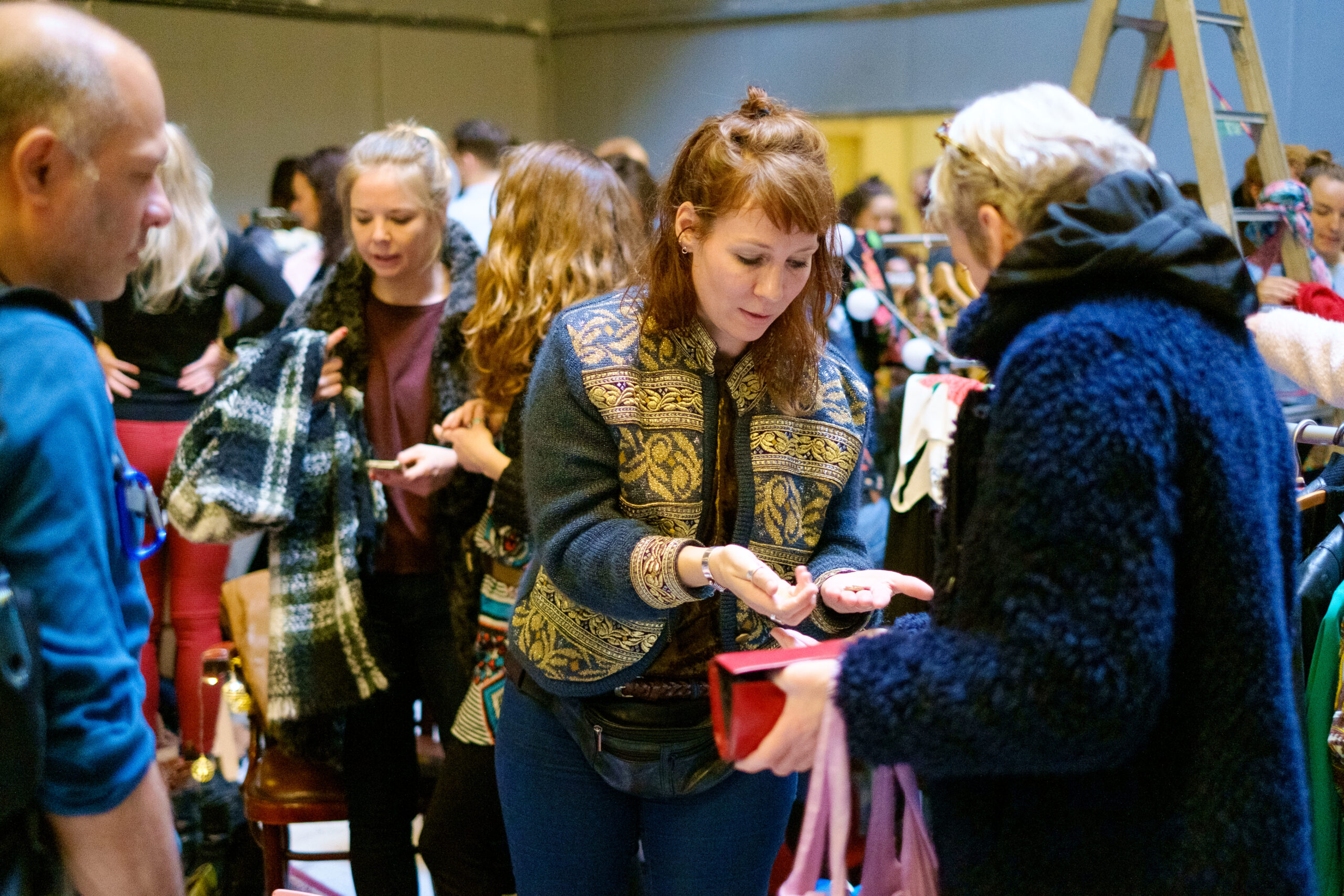
Despite these financial challenges, millennials have emerged as a unique force in consumer markets. Adding to their reputation for valuing sustainability, many millennials are flocking to estate sales for vintage and secondhand goods. Business Insider reported on the growing popularity of estate sales among millennials and Gen Zers, who seek affordable and unique finds from baby boomer collections.
This trend underscores a broader generational shift towards less wasteful, more meaningful consumption: buying items with stories attached, or objects that hold nostalgic value. In tandem with this, millennials have also driven the resurgence of trends like Y2K fashion. Exposed midriffs and low-rise jeans—once staples of the early 2000s—have made a comeback. As reported by Business Insider, denim brands like American Eagle are cashing in on this demand, adapting their offerings to appeal to millennials and Gen Z consumers alike.
Cultural Influence: The Millennial Voice in Technology and Trends
Millennials’ influence extends beyond lifestyle and fashion into technology and culture. Social media platforms still wear the hallmark of generational millennial language: upbeat, quirky, and sometimes self-deprecating. While some observers criticize this “chaotic” communication style as overdone and cringe-worthy—an opinion expressed in a recent Business Insider piece about ChatGPT mimicking millennial-speak—there’s no denying its ubiquity.
Themes of resilience, humor, and authenticity dominate millennial-crafted narratives, shaping cross-generational dialogues on topics from pop culture to politics. The rise of popular movements for mental health awareness, sustainability, and work-life balance largely reflects the values millennials have championed. These priorities resonate deeply with Gen Z, positioning millennials as mentors rather than competitors in transformative conversations.
A Past That Shapes Their Future
Millennials’ worldview has been heavily shaped by both triumphs and traumas. This generation came of age during pivotal moments: 9/11, the 2008 financial crisis, and now the pandemic recovery era. These events have left psychological imprints, which affect how they engage with contemporary issues.
For example, the prospect of yet another conflict in the Middle East—highlighted in a Slate article discussing the Iran war—produces a mix of dread and familiarity for a generation that vividly remembers the fallout of the Iraq war. Millennials’ stance on global politics, alongside their penchant for historical awareness, reflects a keen desire to avoid repeating the mistakes of the past.
Despite such somber realities, millennials are fundamentally optimistic. They are navigating complex global challenges while embracing technology, advocating for greener futures, and reimagining traditional systems like healthcare, education, and urban planning.
What Lies Ahead for Millennials?
As millennials age, their journey carries lessons for the generations that follow. Amid concerns like stagnating wages and geopolitical uncertainties, they’re pushing boundaries across all spheres, from workplace culture to civic engagement. The rise of secondhand shopping, career rebranding, and sustainable consumption reflects how they’ve turned barriers into opportunities.
Looking forward, one question remains: can millennials balance their optimism and adaptability with the structural shifts needed to address challenges such as climate change, economic instability, and global tensions? The answer may not just shape their lives—but the future of the planet.
For now, the world is watching a generation at the crossroads of upheaval and opportunity, carving a path that is all their own.