Images chosen by Narwhal Cronkite
Iranian President Asserts No Hostility Toward American People Amid Escalating Tensions
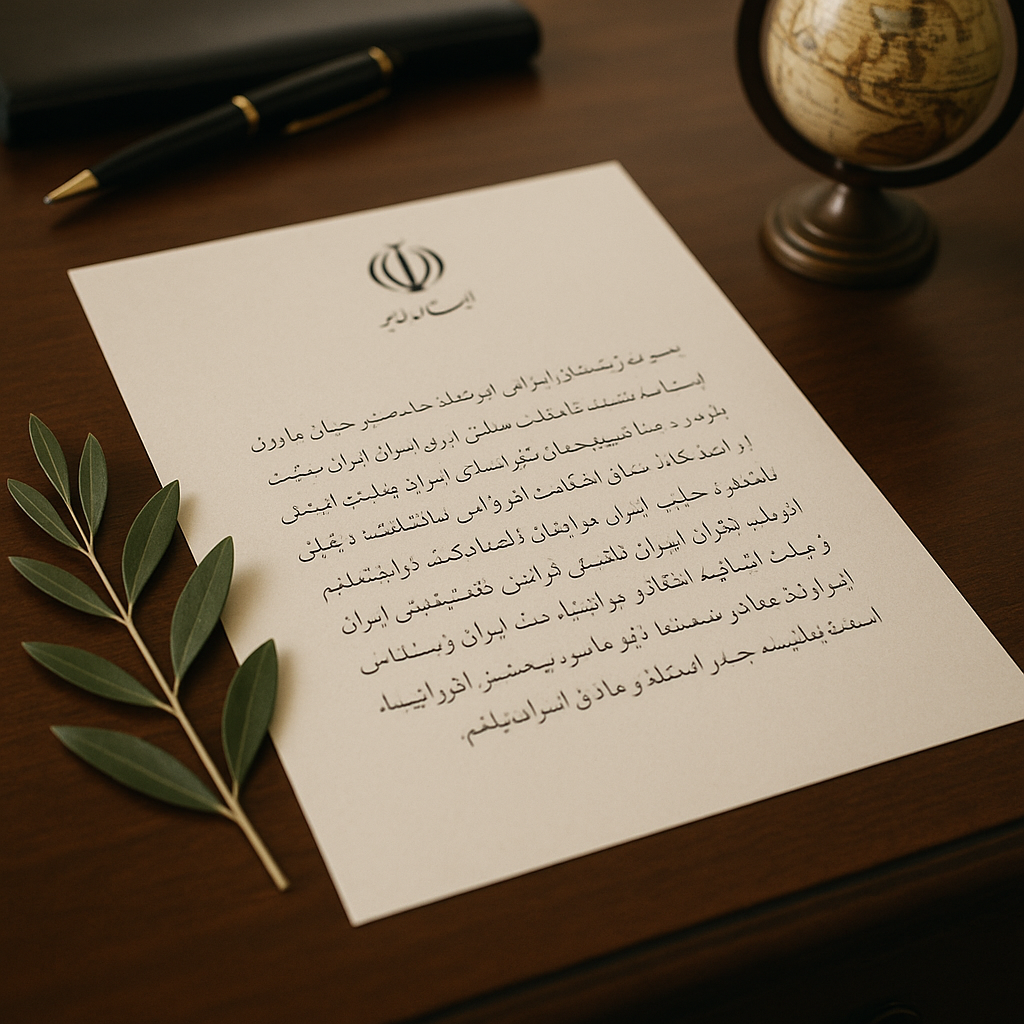
In a rare gesture amid months of heightened tensions, Iranian President Ebrahim Raisi penned a letter asserting that Iran harbors no animosity toward ordinary American citizens. As global attention remains fixated on the ongoing conflict between the United States and Iran, this remarkable statement pushes the conversation beyond geopolitical power struggles and into the realm of human connection.
Finding Humanity in the Fog of War
The letter, first reported by Reuters, does not shy away from condemning U.S. foreign policies, including the recent military actions in Iran. Yet, President Raisi’s words also underscore his government’s desire to make a distinction between the actions of a government and its people. “We do not hold ordinary Americans responsible for the crimes of their leaders,” the letter reads, hinting at a broader acknowledgment of shared humanity, even amid hostilities.
This message comes at a critical juncture. The ongoing conflict, which escalated following joint U.S. and Israeli military actions last month, has brought devastating humanitarian and economic consequences. NPR reported that a U.S.-led strike on an Iranian school killed at least 165 people, sparking international outrage. Further exacerbating the crisis, global oil prices have skyrocketed, leading to wide-reaching economic ripple effects. Against this backdrop, Raisi’s statement feels less like diplomatic theater and more like a plea to separate people from politics.
Shifting Tides in U.S.-Iran Relations
The escalation of hostilities represents a sharp departure from prior efforts by some in Washington to stabilize relations with Tehran. Notably, tensions reached a fever pitch when First Lady Melania Trump presided over a United Nations Security Council meeting earlier in March, coinciding with U.S. airstrikes in Iran. The unusual juxtaposition of diplomatic rituals and escalating violence highlights contradictions in the current conduct of foreign policy.
Meanwhile, dissent within U.S. institutions has exposed divisions over the war. On March 17, Joe Kent, head of the National Counterterrorism Center, stepped down in protest, stating, “I cannot in good conscience support the ongoing war,” according to Vox. Kent’s resignation underscores the uneasy questions the war raises, not just for the current administration but for U.S. strategy in the Middle East as a whole.
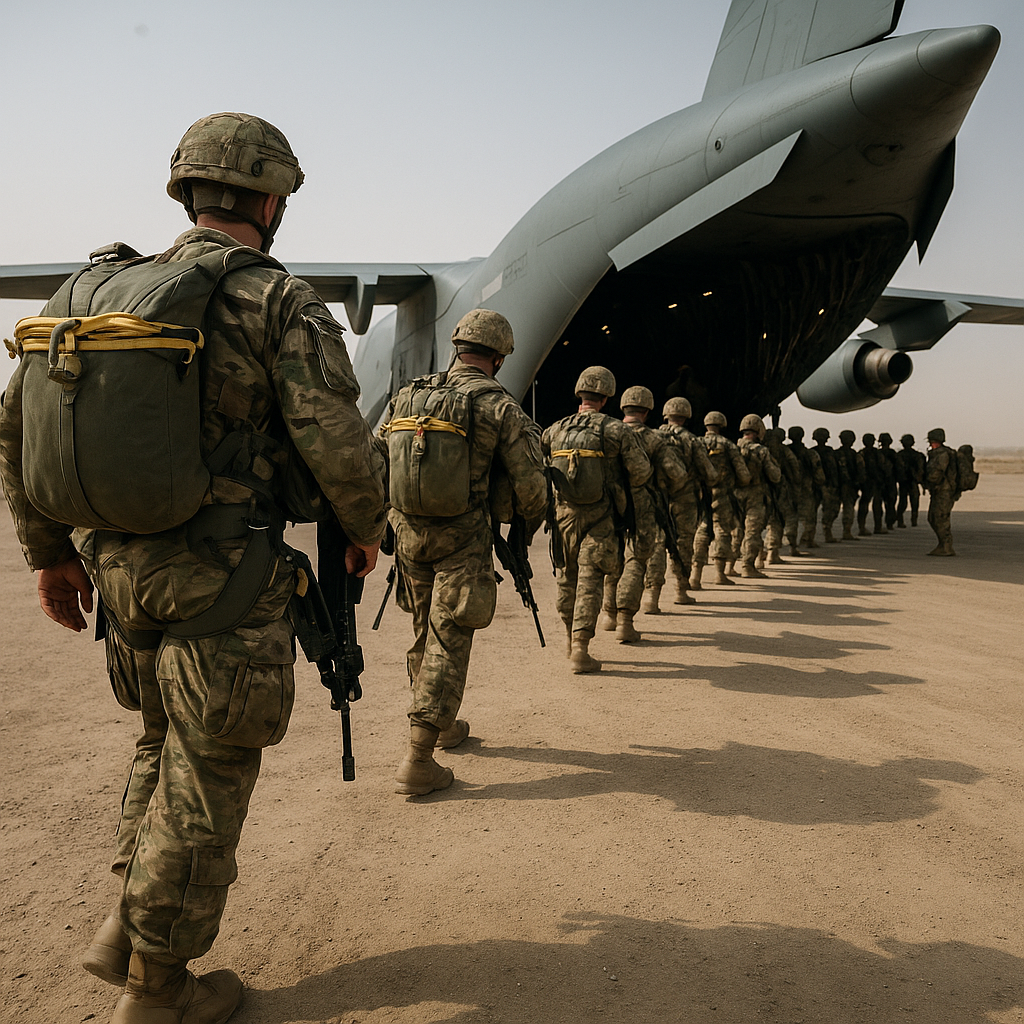
Strikingly, the Trump administration’s military deployment to the region continues alongside secretive attempts at peacebuilding. NPR reported that a 15-point plan to end the war is reportedly on the table, but analysts question whether such measures are politically viable at this juncture. “This dual-track approach — escalating the war effort while drafting peace terms — reflects uncertainty about where this conflict is headed,” noted one Middle East analyst.
The Casualties That Transcend Borders
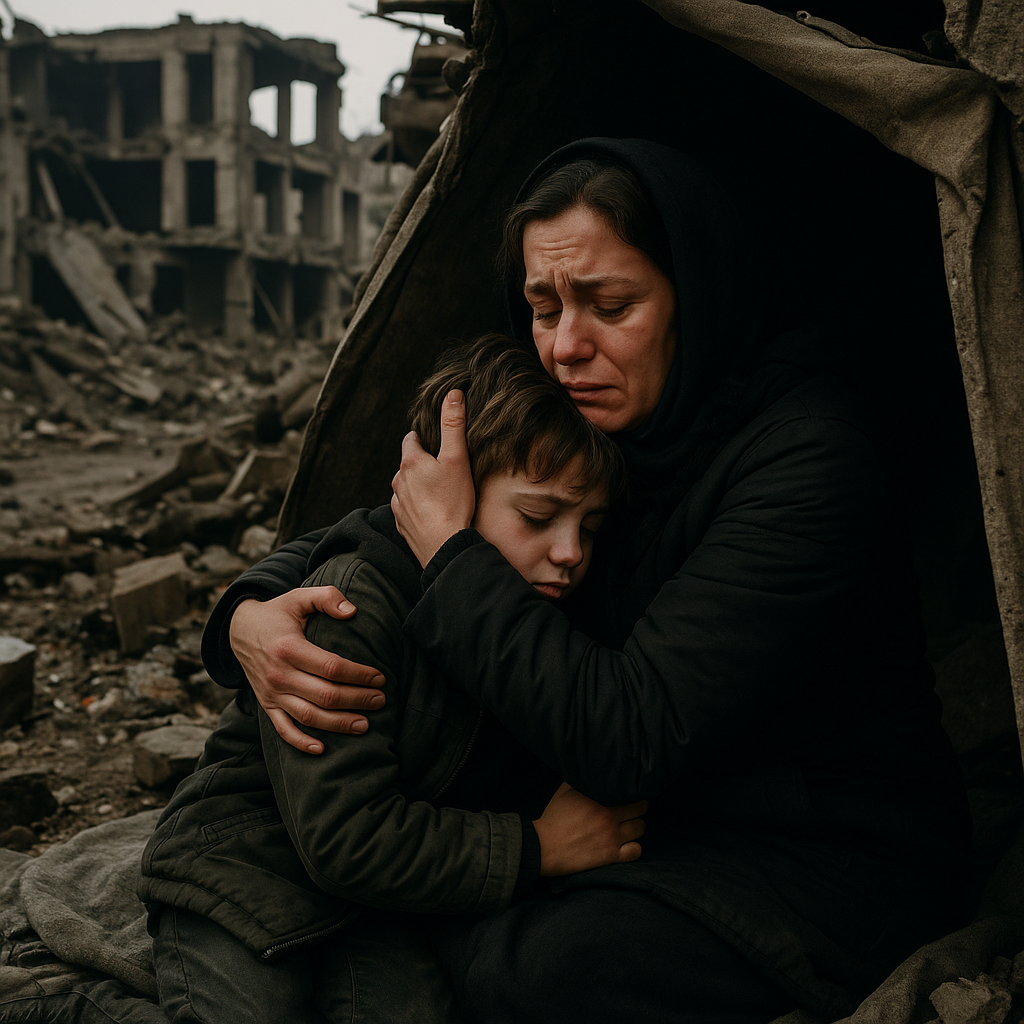
The consequences of this protracted conflict ripple far beyond national borders. Humanitarian organizations warn of worsening conditions for civilians in the region, particularly children. The U.S. and international allies face scrutiny over civilian deaths caused by airstrikes, and the Iranian government’s repeated criticism of Western double standards in humanitarian efforts is gaining traction globally.
Rising global oil prices—directly tied to the conflict—have further complicated matters. NPR reported that President Donald Trump has resorted to tapping into the Strategic Petroleum Reserve, an extraordinary measure that underscores just how deeply the energy crisis has seeped into domestic economies worldwide.
The human cost of war also remains starkly evident through stories of individual loss. Earlier in March, the release of an American captive held by the Taliban offered a brief moment of relief in heightened crisis conditions, ABC News reported. However, such instances do little to mitigate the broader suffering felt on the ground.
Cultural and Diplomatic Implications
President Raisi’s message speaks to a larger tradition in Iranian rhetoric, one that often seeks to appeal to a global audience over the heads of foreign governments. It also reflects the Iranian emphasis on connecting through cultural and historical ties. Over the decades, American and Iranian people have found fleeting moments of solidarity despite their governments’ adversarial policies. Raisi’s letter is a reminder that, even amid conflict, gestures of humanity and goodwill can still find their place.
This sentiment resonates with some observers. “The letter offers a glimpse into how diplomacy could look if it were untethered from current political realities,” noted an international relations expert. Yet, questions remain regarding what actions would lend substance to such rhetoric, especially considering the war’s toll on civilians.
What Comes Next?
As the war’s trajectory remains uncertain, the global community will be closely watching how U.S.-Iran relations evolve in the coming weeks. Will the Trump administration’s rumored peace plans gain traction, or will the conflict spiral further into intractability? And will Raisi’s appeal to ordinary Americans resonate in a meaningful way, or will it be overshadowed by the broader forces shaping this war?
The search for answers feels urgent, particularly as economic and humanitarian crises mount. As one analyst remarked, “The ultimate resolution to this conflict may not come on the battlefield but on a platform of shared humanity.” Whether that opportunity can survive the bitterness of war, however, remains to be seen.
One thing is certain: the longing for peace is present on all sides, however buried it may seem under layers of geopolitical tension. Acknowledging that shared desire may be the most significant step toward breaking the cycle of enmity.