Images chosen by Narwhal Cronkite
Carney Clinches Majority Government in Canadian Special Elections
The political landscape in Canada has taken a definitive turn, as former Bank of England governor Mark Carney successfully clinched a majority government in special elections held recently. Amid a complex web of voter priorities, economic uncertainties, and policy debates, Carney’s decisive win shines a spotlight on shifting sentiments across the nation and positions him as a key architect of Canada’s political future.
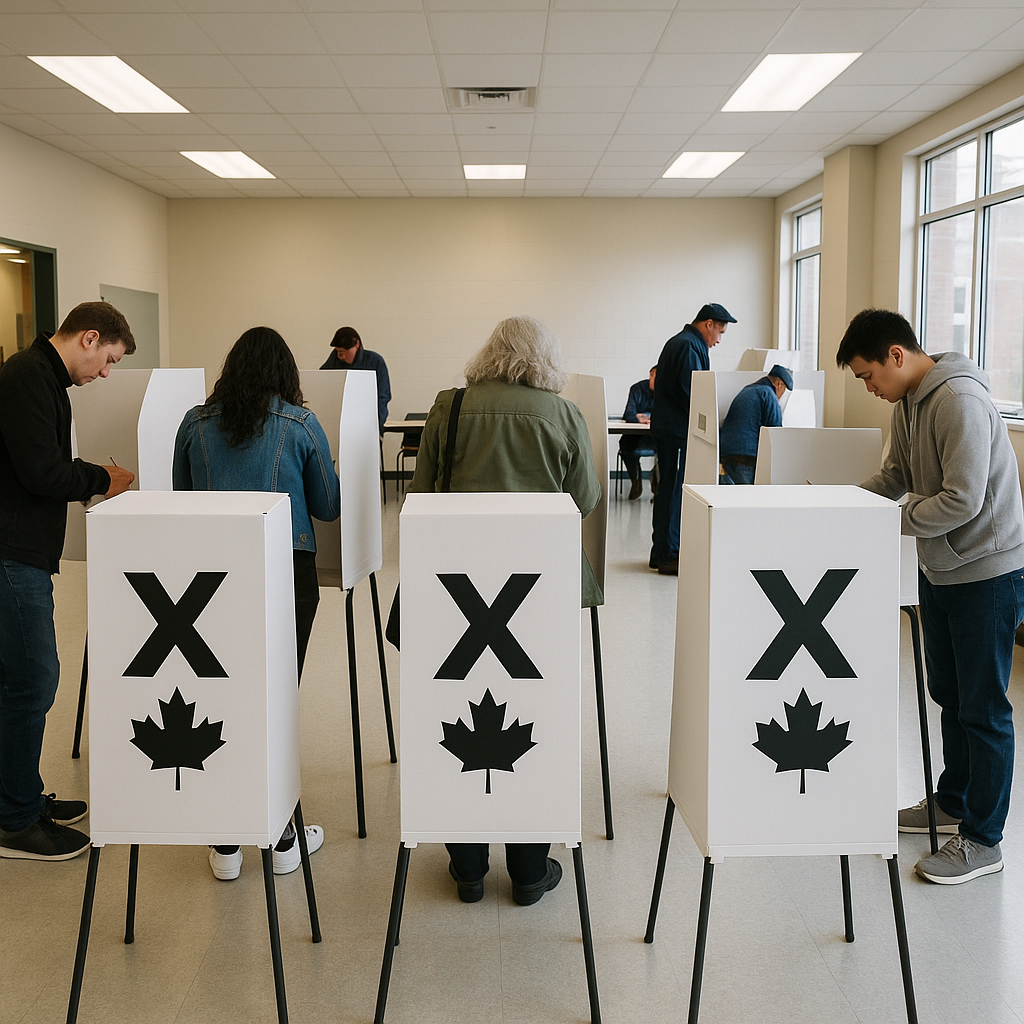
How the Special Elections Unfolded
The special elections, widely regarded as pivotal for shaping the country’s trajectory, attracted significant attention both domestically and globally. According to Reuters, these elections marked a unique moment in Canadian politics, driven by pressing challenges such as inflation management, climate policy, and healthcare reform. Voter turnout was reportedly high, with citizens spanning urban centers and rural communities engaging actively in the democratic process.
Carney’s party achieved a clear majority, winning enough seats to form a government without the need for coalition partners. Analysts have pointed to a blend of effective campaigning, targeted messaging, and Carney’s reputation as an experienced economist in drawing substantial voter support. “The victory reflects not just confidence in Carney’s leadership but also the electorate’s prioritization of steady governance during uncertain times,” noted one political observer.
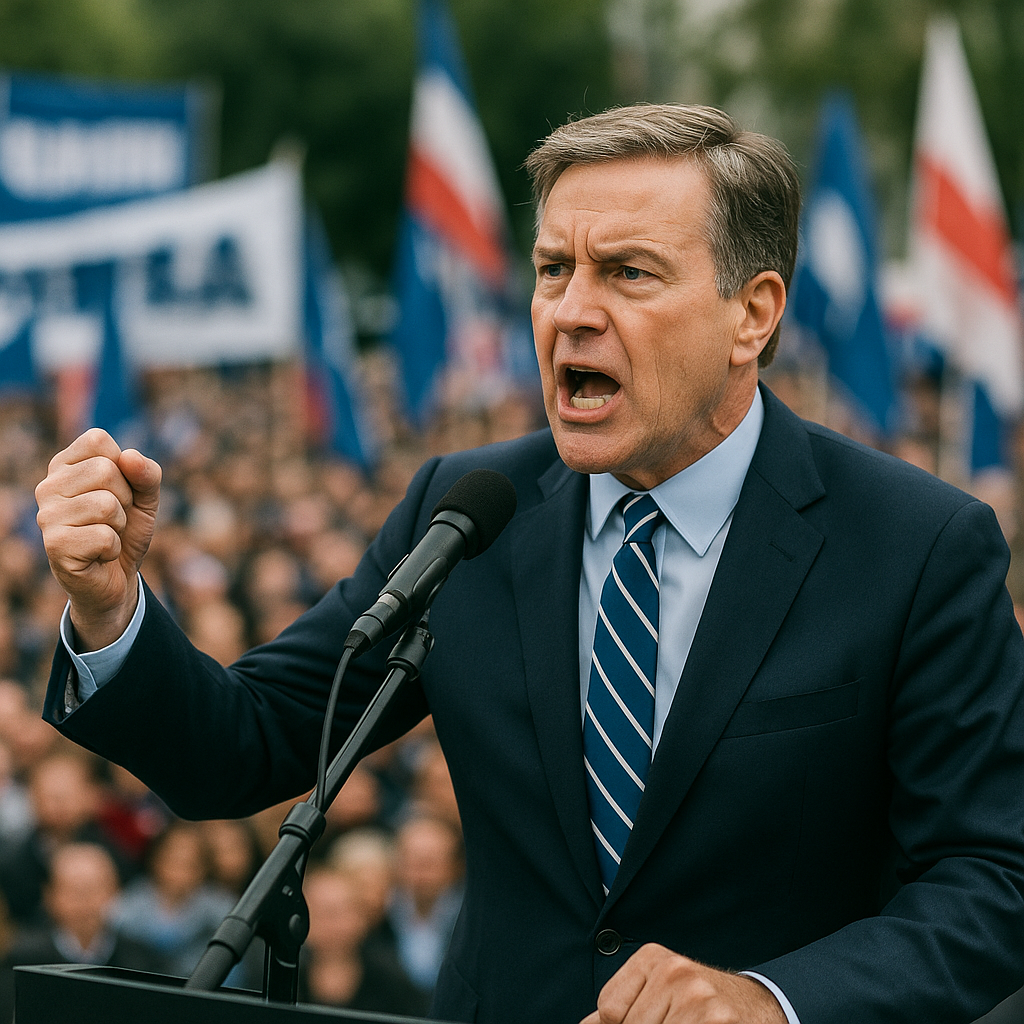
Key Platforms That Resonate With Voters
One of the defining aspects of Carney’s campaign was a focus on navigating economic headwinds. His experience as former Bank of England Governor proved instrumental in presenting detailed plans addressing inflation and job creation. This economic-centric approach resonated particularly with middle-class voters concerned about affordability and financial stability.
Another cornerstone of his platform was climate action. Building on calls for sustainable development, Carney championed aggressive steps toward reducing carbon emissions while balancing industrial growth. “Climate is not just an environmental issue; it’s an economic policy,” Carney often iterated during the campaign trail, framing sustainability as compatible with growth.
Healthcare reforms also played a significant role, with promises of reducing patient wait times and increasing access to mental health services appealing to broad swaths of voters. These initiatives reflected awareness of post-pandemic challenges in Canada’s healthcare infrastructure.

Challenges Ahead for a Majority Government
While achieving a majority government affords Carney expansive legislative freedom, it also carries the weight of high expectations. Critics and supporters alike will closely monitor how his administration addresses the multifaceted challenges that Canada faces. From tensions over oil exports to reconciling national and Indigenous interests, the government’s ability to navigate complex dynamics will shape public opinion in the coming years.
Furthermore, the opposition is unlikely to remain silent. Political rivals have wasted no time highlighting areas where Carney’s plans may face hurdles. “Infrastructure spending needs to show measurable results fast, or credibility could waver,” explained a legislative analyst. As always, accountability will play a decisive role in shaping voter perceptions down the line.
What This Outcome Tells Us About Canadian Politics
The special elections underscore broader trends in Canadian political engagement. An electorate grappling with post-pandemic realities, economic uncertainties, and climate change is searching for prudent leadership over ideological divides. Carney’s win doesn’t signify a rejection of dissenting views but rather a collective nudge toward pragmatic problem-solving.
Observed globally, this transition parallels similar developments in other democracies, where the line between traditional partisanship and technocratic leadership continues to blur. Carney’s career as an economist has often injected data-driven perspectives into debates historically dominated by partisan rhetoric—a pattern likely to persist under his governance.
Implications and What to Watch For
As Carney prepares to lead Canada through significant economic and societal shifts, the cornerstone of his success will rest on translating campaign promises into tangible outcomes. Observers anticipate initial legislative moves centered on bolstering fiscal accountability and implementing climate commitments.
Watching how his government engages with key stakeholders—Indigenous communities, business leaders, and global allies—will also prove crucial in assessing its effectiveness. The administration’s ability to foster collaboration and innovation could well redefine the benchmarks for majority governance in Canada.
While challenges remain, Carney’s majority win presents a significant opportunity to steer Canada’s future trajectory. For citizens and the international community alike, the focus will now shift toward how policy priorities evolve on the ground.
Note: This story is based on information from Reuters and industry analysis.