Images chosen by Narwhal Cronkite
Mood in Russia Turns Bleak as War in Ukraine Drags On and Economy Suffers
As the war in Ukraine surpasses key milestones without resolution, Russia is experiencing an increasingly bleak national mood. From St. Petersburg’s bustling markets to rural Siberian towns, the signs of economic strain and growing public discontent have become unmistakable. Declining consumer confidence, reduced household incomes, and the relentless pressures of international sanctions are contributing to a subdued atmosphere within the country.
Economic Decline: A Mounting Pressure
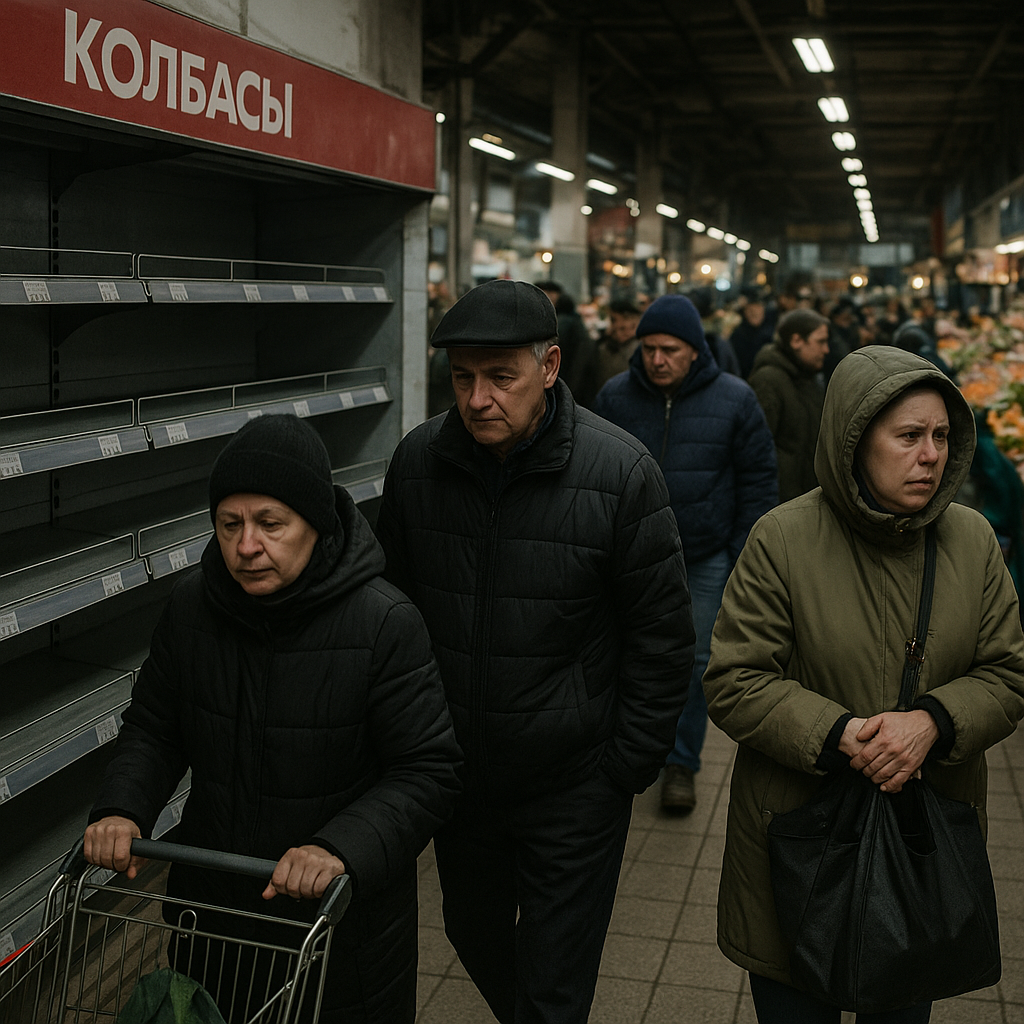
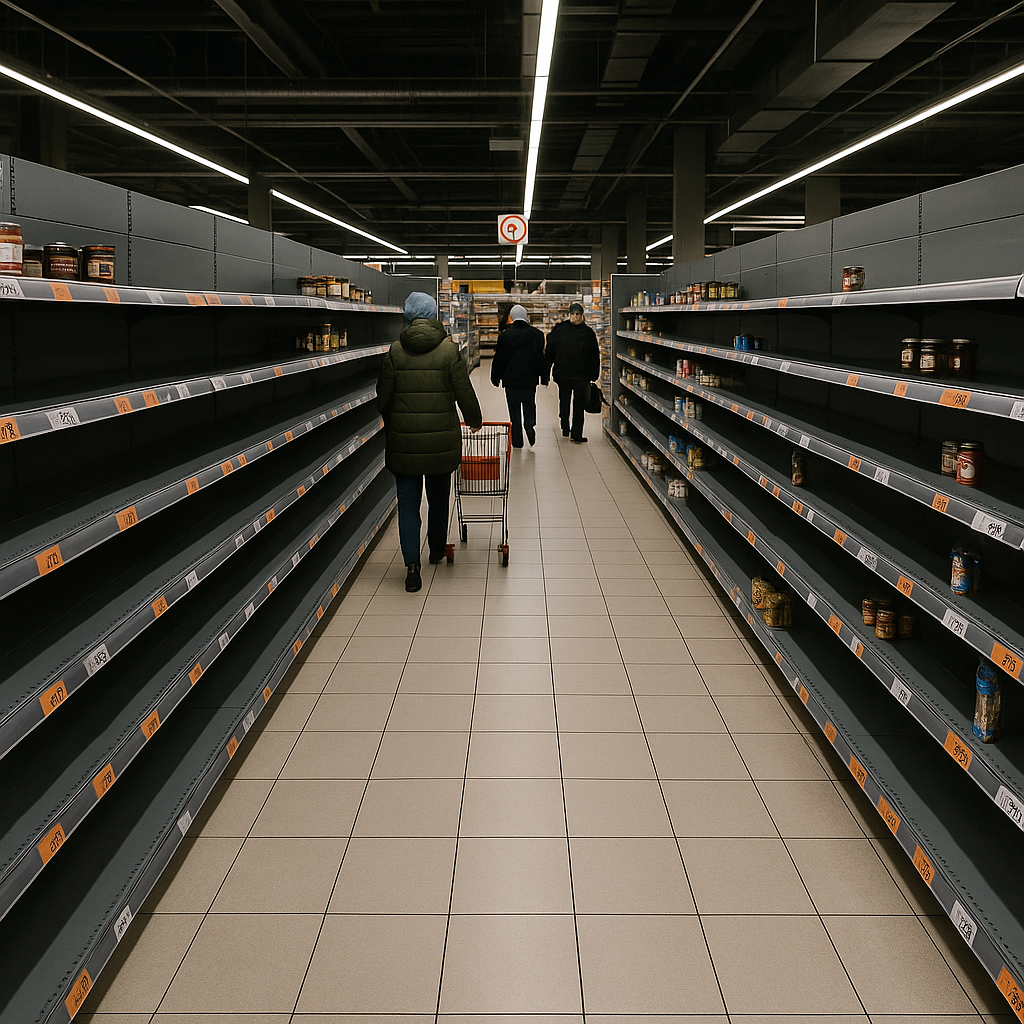
Russia’s economy, long resilient to geopolitical adversity, now finds itself heavily strained after more than a year of conflict. The country’s oil-dependent GDP has contracted under the combined weight of depressed global energy prices and sweeping Western sanctions. Inflation has eroded purchasing power, particularly for basic necessities like food and fuel, leading to widespread frustration among ordinary citizens.
A recent report from Russia’s independent Levada Center shows that nearly 60% of respondents feel economically worse off this year compared to the onset of the conflict. From farmers burdened by rising costs of imported equipment to urban dwellers grappling with skyrocketing grocery prices, the fallout has been pervasive. “What once cost 100 rubles now costs 200,” lamented Irina, a pensioner interviewed in Moscow. “We used to be proud of our stability, but now everything seems uncertain.”
Fatigue and Polarization
Beyond economic hardship, the prolonged war has exacerbated societal fatigue and division. While state-controlled media continues to frame the conflict as a necessary protective measure, cracks are appearing even among initially supportive demographics. Analysts have noted growing disillusionment among younger Russians and urban professionals who increasingly view the war as costly and unnecessary. “The patriotic fervor that existed in early stages has dulled,” said Dmitry Kuznetsov, a political analyst based in Saint Petersburg. “Now, many are asking, ‘When will this end?'”
Furthermore, as casualties mount and reports of battlefield setbacks circulate, families of soldiers have begun expressing open frustration. This has led to an uptick in localized protests, though the consequences of dissent remain severe under Russia’s tight control over public spaces and discourse.
The Sanctions Squeeze
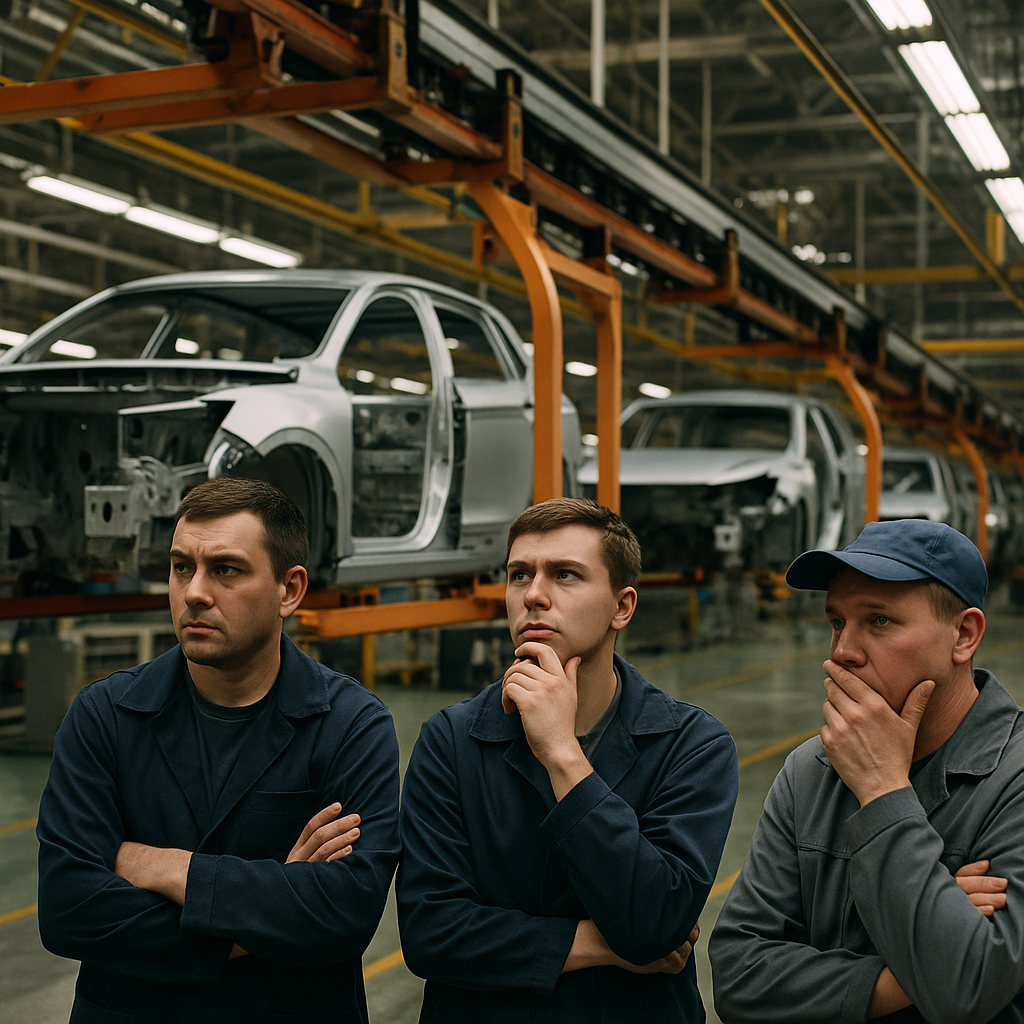
The impact of international sanctions cannot be overstated in shaping Russia’s current reality. Export restrictions on key technologies, such as semiconductors and industrial components, have stifled innovation and disrupted manufacturing. Meanwhile, the exodus of multinational corporations—from tech giants like Apple to fast food chains like McDonald’s—has eroded consumer choice and sent a stark signal about Russia’s growing isolation.
As a result, the domestic market has turned to local substitutes, often perceived as inferior in quality. “Russian-made phones and electronics are no match for Western brands,” shared Alexei, a young software engineer based in Novosibirsk. “We’ve had to rely on workarounds just to complete basic tasks.”
Fractured External Relations
On the international stage, Russia’s standing continues to erode as its closest allies distance themselves and neutral global powers adopt cautious stances. Traditional friendships with China and India have faced challenges due to their unwillingness to openly support Moscow’s actions. Beijing, for instance, has maintained a strategically ambiguous position, while India has increasingly engaged in balancing acts to protect its own interests.
This growing isolation has heightened Moscow’s reliance on symbolic alliances and reinforced a narrative of self-reliance domestically. However, political experts argue this path carries significant long-term risks. “Historic isolation can lead to stagnation,” said Tatiana Ivanovich, a foreign policy researcher. “Russia must repair relations globally if it hopes for an economic recovery.”
What Comes Next?
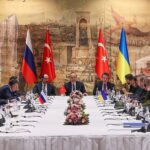
Amid the dim mood and economic challenges, questions remain about how Russia will navigate the long-term ramifications of its current trajectory. Analysts believe the Kremlin faces a difficult choice: double down on its strategic objectives in Ukraine or attempt to negotiate an off-ramp to ease domestic and international pressures.
With growing uncertainties about the sustainability of the conflict, the international community is closely watching Russia for signs of recalibration. Observers also point to potential ripple effects, such as shifts in the global energy market and an intensifying arms race fueled by tensions in Eastern Europe.
For ordinary Russians, however, survival amid a shrinking economy and dim political outlook is the pressing priority. “We’ve seen hard times before,” said Viktor, a veteran from Vladivostok. “But now it feels like there’s no end in sight.” Whether through political, economic, or social evolution, it is clear that the war’s legacy will weigh heavily on Russia’s collective psyche for years to come.
Implications to Watch
As the situation in Ukraine unfolds and global responses evolve, key developments to monitor include:
- The strength and unity of Western sanctions in the coming months.
- Domino effects on regional powers, like Belarus and Kazakhstan, who share both geographical and political ties with Moscow.
- Domestic sentiment within Russia, including signs of increased dissent or shifts in public opinion.
- Oil and gas market dynamics, particularly with regard to Russia’s revenue streams.
The coming months will likely be crucial in determining whether the bleak mood is a temporary response to hardship or the start of long-term transformation.