Images chosen by Narwhal Cronkite
The FCC Preparing Review of Disney and ABC’s Broadcast Licenses Over Jimmy Kimmel’s Melania Joke
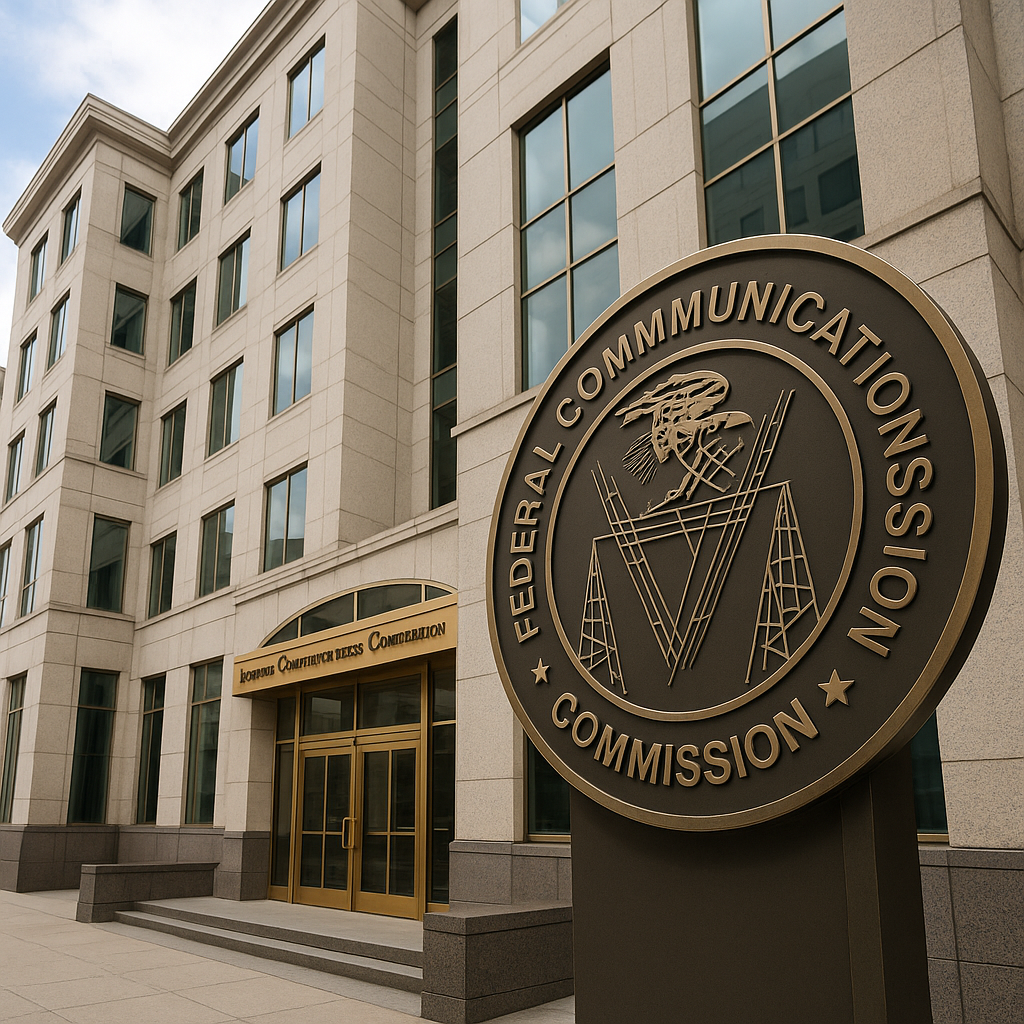
The Federal Communications Commission (FCC) has raised eyebrows with its decision to demand an early renewal of Disney’s ABC broadcast licenses, citing alleged violations of anti-discrimination policies. This action, which coincides with criticism over comedian Jimmy Kimmel’s joke about Melania Trump, has sparked new debates about media freedom, regulatory oversight, and the intersection of politics with entertainment.
Regulatory Action Amid Controversy
On April 28, 2026, the FCC ordered Disney’s eight owned-and-operated ABC stations to submit their renewal applications by May 28 — well ahead of their typical license expiration timelines. According to the agency, this decision is tied to an investigation into possible breaches of the FCC’s ban on unlawful discrimination in broadcast operations. However, as reported by Variety, the timing of this demand has drawn scrutiny, as it follows the backlash over remarks made by late-night host Jimmy Kimmel regarding the former First Lady, Melania Trump.
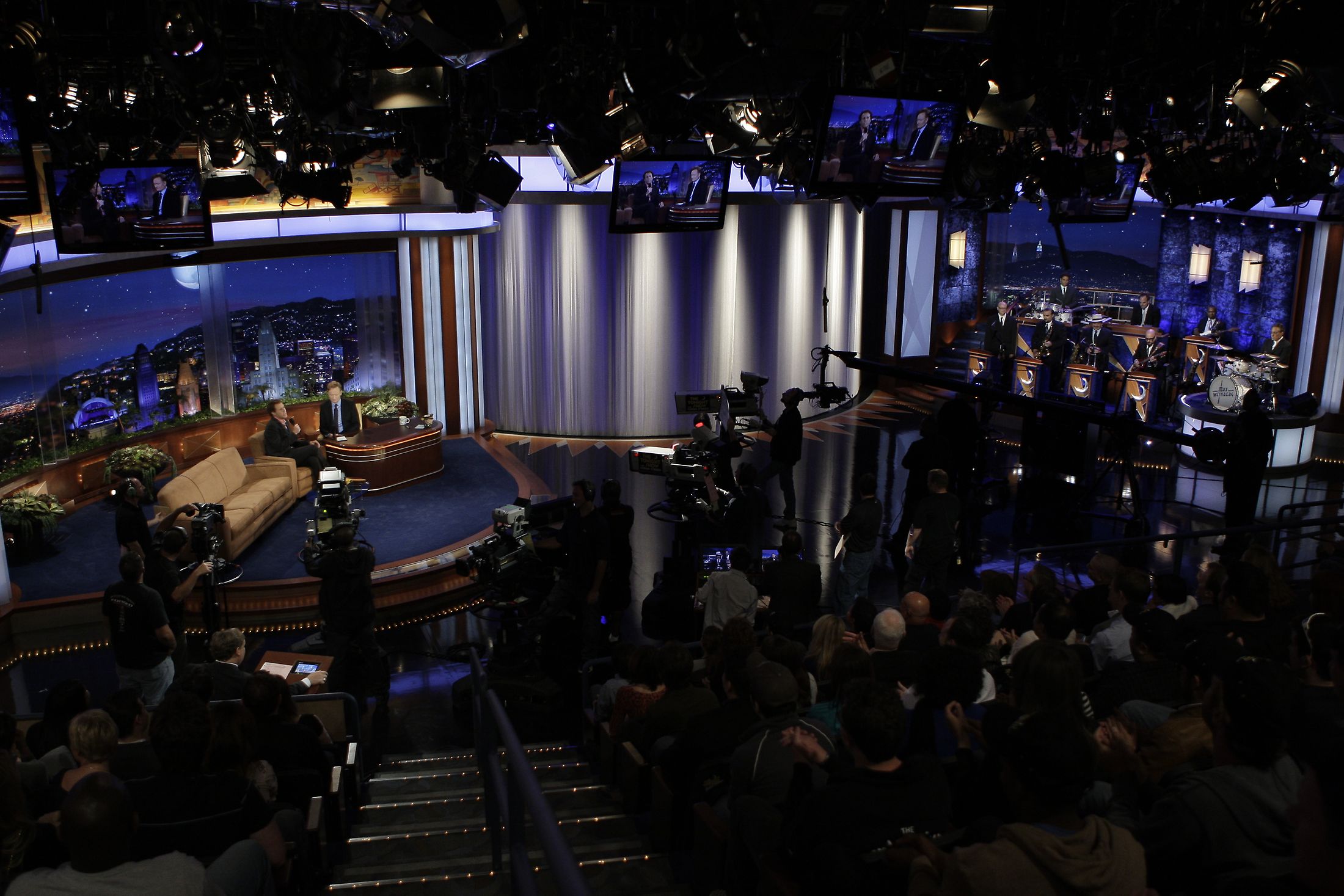
Kimmel sparked controversy when, during his show, he referred to Melania as an “expectant widow” days before a gunman reportedly attempted to infiltrate the White House Correspondents’ Dinner. While it remains unclear whether Kimmel’s remarks contributed to the FCC’s decision, the surrounding discourse raises deeper concerns over how media content is scrutinized under the guise of regulatory compliance.
First Amendment vs. Broadcast Regulation
Disney, in response, issued a statement expressing confidence in its compliance with the Communications Act and First Amendment protections. An ABC spokesperson highlighted the network’s long-standing reputation for adhering to ethical broadcasting standards. “Our track record as licensees showcases our commitment to diversity, inclusion, and the principles of free speech,” Disney stated.
The First Amendment safeguards broadcasters against undue government interference tied to political or ideological content. However, in practice, the FCC retains discretionary authority over licensing issues, provided that its inquiries focus on technical and operational compliance rather than content-driven disputes. Critics argue that invoking license reviews over perceived political or cultural disagreements potentially sets a dangerous precedent.
Industry Reaction and Broader Implications
Notable figures in entertainment and advocacy have weighed in on the FCC’s move. Speaking to The Hollywood Reporter, actress and activist Jane Fonda labeled the agency’s action as a “naked attempt to weaponize government power against dissent.” Analysts have similarly expressed concerns about what this means for editorial independence. Media attorney Robert Klein described the situation as “a wake-up call for broadcasters to defend the integrity of First Amendment rights against regulatory overreach.”
At an operational level, this development could impact how networks manage public commentary and sensitive content. Media business analyst Sarah Patel told NarwhalTV, “ABC and similar networks may increasingly walk the tightrope between profitability and political risk, as government agencies amplify scrutiny under revised mandates.” Patel noted that the potential delay or rejection of license renewals could ripple across the media landscape, raising questions around the sector’s vulnerability to politicized regulation.
Looking Back: Historical Context
The intersection of politics and broadcasting is not a new phenomenon. The Fairness Doctrine, repealed in 1987, once required broadcasters to present balanced views on controversial topics. Although no longer applicable, the legacy of such policies signals the challenges inherent in regulating speech without stifling press freedom. The FCC’s current review evokes similar debates — particularly as political polarization intensifies nationwide.
Additionally, high-profile conflicts between Washington and Hollywood illustrate how art and commentary often become battlegrounds for broader ideological disputes. From television blacklists during the Red Scare to debates over news bias today, tension between regulatory bodies and creators has long fueled discourse on media ethics.
What’s Next for Disney and ABC?
For Disney, the stakes extend beyond the FCC’s licensing review. Potential outcomes include reputational risks, operational challenges, and even the erosion of advertiser confidence in ABC’s programming. The entertainment giant will likely double down on demonstrating compliance with anti-discrimination laws, diversity initiatives, and ethical content practices.
The timing, however, raises questions for industry observers. Will other networks face similar probes? Could the FCC’s actions lead to broader reexamination of regulatory scope in broadcast media? As both public reaction and legal determinations unfold, these issues will remain front and center for stakeholders across government, broadcasting, and the entertainment world.
The situation also shines a spotlight on the fragile balance between maintaining robust oversight while defending freedoms guaranteed under the First Amendment. As Patel added, “This episode should remind all media companies to proactively define their internal standards. When faced with scrutiny, the best defense stems from demonstrating transparency and consistency.”
Implications and Upcoming Developments
The evolving dispute sets up multiple scenarios for future scrutiny on the media industry’s regulatory landscape. If Disney successfully passes its FCC review, the result could bolster media organizations in their efforts to keep government interference at bay. On the other hand, if the agency proceeds with revoking or limiting licenses, it could trigger a wider industry reckoning over how political hostility influences broadcasting oversight.
For now, audiences, advertisers, and media executives will be watching closely as May 28 approaches. Industry insiders suggest keeping an eye out for potential congressional discussions or legal challenges surrounding regulatory boundaries, as this case unfolds.