Images chosen by Narwhal Cronkite
Why is Jimmy Kimmel Being Held to a Higher Standard than Donald Trump?
In a society built on free speech and humor, it is puzzling to witness a late-night talk show host like Jimmy Kimmel face intense scrutiny for a joke while a former president like Donald Trump appears to wield public rhetoric with far fewer repercussions. This juxtaposition of accountability raises important questions about modern public discourse, political influence, and the ethics of speech.
A Tale of Two Standards: The Kimmel and Trump Divide
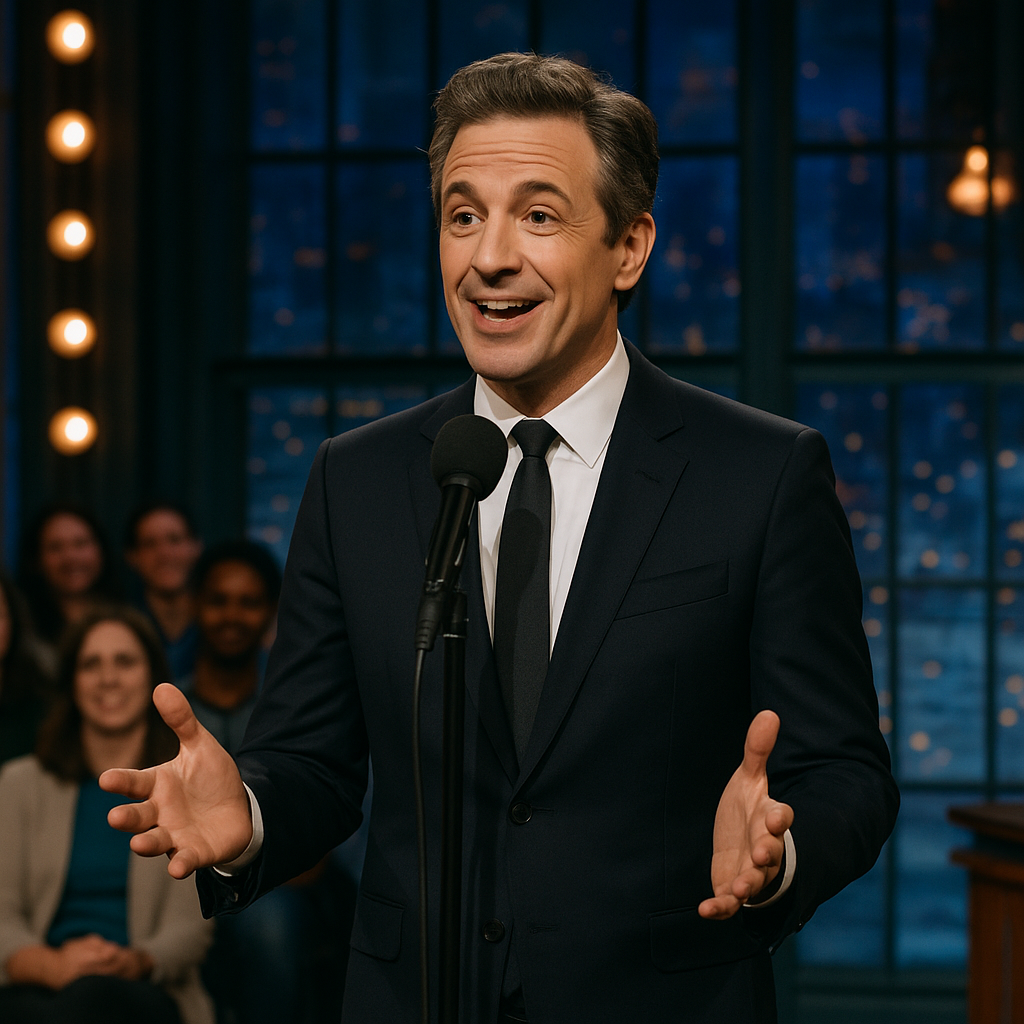
Jimmy Kimmel, host of Jimmy Kimmel Live!, has once again found himself in the crosshairs of controversy for a joke during his show. His quip about Melania Trump, likening her to an “expectant widow,” was delivered days before an assassination attempt at the White House Correspondents’ Dinner. Although the joke was written and performed well before the incident, critics — particularly from Trump’s camp — quickly reframed Kimmel’s words as “a bloodthirsty, hate-filled call to violence,” according to The Guardian.
In contrast, Donald Trump, both during and after his presidency, has consistently made inflammatory statements, including direct insults and barbs at political rivals, celebrities, and even ordinary citizens. Yet, such remarks often come with an air of immunity, chalked up to his unique, provocative brand of communication. This disparity raises the question: why is Kimmel’s humor subjected to a stricter code of conduct than Trump’s political posturing, which often carries far greater consequences?
The Power Dynamics at Play
Part of the answer lies in the roles these two figures occupy. Kimmel, as a comedian and entertainer, is expected to operate within the boundaries of taste and humor while maintaining public decorum. His jokes are consumed primarily for entertainment, but as NBC News highlights, the timing of his remarks—unfortunate as it may be—allowed critics to scrutinize him more harshly. The backlash wasn’t just about the joke itself but its perceived impact when juxtaposed against real-world violence.
Donald Trump, on the other hand, has historically leveraged his platform as both a businessman and politician to incite fervor, rally his supporters, and deflect accountability. As an ascribed leader of a political movement, his statements carry the weight of influence that can manifest in real-world actions, sometimes with dangerous consequences. Yet, Trump’s messaging is often dismissed by supporters as “authentic” or excused as “just words,” allowing him to sidestep the level of scrutiny faced by public figures like Kimmel.
When Humor Becomes a Battleground
Comedy is inherently subjective, relying on timing, audience receptivity, and cultural context. Many comedians, including Kimmel, often push boundaries as a form of social commentary. Yet, when humor intersects with politically charged topics, it often morphs into a battleground for cultural and partisan disputes.
Consider Kimmel’s backlash. According to The Guardian, the Trumps have accused the comedian of making light of serious issues, painting him as “hateful.” In their eyes, the joke about Melania was more than a quip—it was a personal dig against their family values and the broader conservative platform they represent. The stakes of humor escalate when political identity comes into play, often sidelining any intent to entertain.
However, as noted by industry analysts, the outrage surrounding Kimmel’s jokes often overlooks the broader cultural acceptance of sharp, self-referential commentary in entertainment. This style of humor has long been a staple of late-night hosts, many of whom aim to challenge the powerful through satire rather than echo the status quo.
“The criticism of Kimmel post-joke is selective outrage,” one media observer remarked. “It’s not about the joke itself, but about how it can be manipulated for political gain.”
Lessons from the Court of Public Opinion
Jimmy Kimmel’s experience serves as yet another reminder of the hyper-partisan environment dominating public discourse. While comedians—and particularly those who lean left politically—are often held accountable for their words, politicians in positions of greater authority arguably face less immediate backlash.
The Hollywood Reporter notes that despite the firestorm, Kimmel’s show continues to receive critical acclaim, recently landing a nomination for a Peabody Award. This reinforces the perception that while controversies capture headlines, their long-term impact may be limited for entertainers who maintain creative and professional credibility.
Looking Ahead: What’s the Broader Impact?
The debate over Kimmel’s joke versus Trump’s rhetoric delves deeper into societal questions about free speech, accountability, and the selective application of outrage. As public figures across industries continue to face intense scrutiny, how do we ensure consistency in addressing inappropriate or harmful remarks, regardless of political affiliation or purpose?
For Jimmy Kimmel, the backlash may stir a renewed focus on how humorists approach politically sensitive material. For Donald Trump, the discussion may prompt further examination of how his messaging impacts public sentiment and real-world actions. Both reflect a larger tension between freedom of expression and the ethical responsibilities that come with influence.
Ultimately, the disparate treatment of a talk show host versus a former president highlights fundamental disparities in how society perceives authority, humor, and the boundaries of behavior. Whether comedian or politician, the power of words—and the public’s reaction to them—has never mattered more.
As the cultural dynamics continue to evolve, this case serves as a microcosm of a much larger conversation about accountability in the age of polarized discourse. The question remains: will we apply the same standards to all public figures, or will the double standard persist?