Images chosen by Narwhal Cronkite
Previous Owner Left a Binder in the Garage. I Thought It Was Junk. It Was Not
When moving into a new home, there’s often a mix of excitement and the surprise of uncovering what the previous resident left behind. For one homeowner, their discovery bordered on astonishing: a seemingly inconspicuous binder forgotten in the garage turned out to be anything but ordinary. What first appeared as clutter soon revealed itself as a goldmine of valuable information.
A Binder That Was a Treasure Map
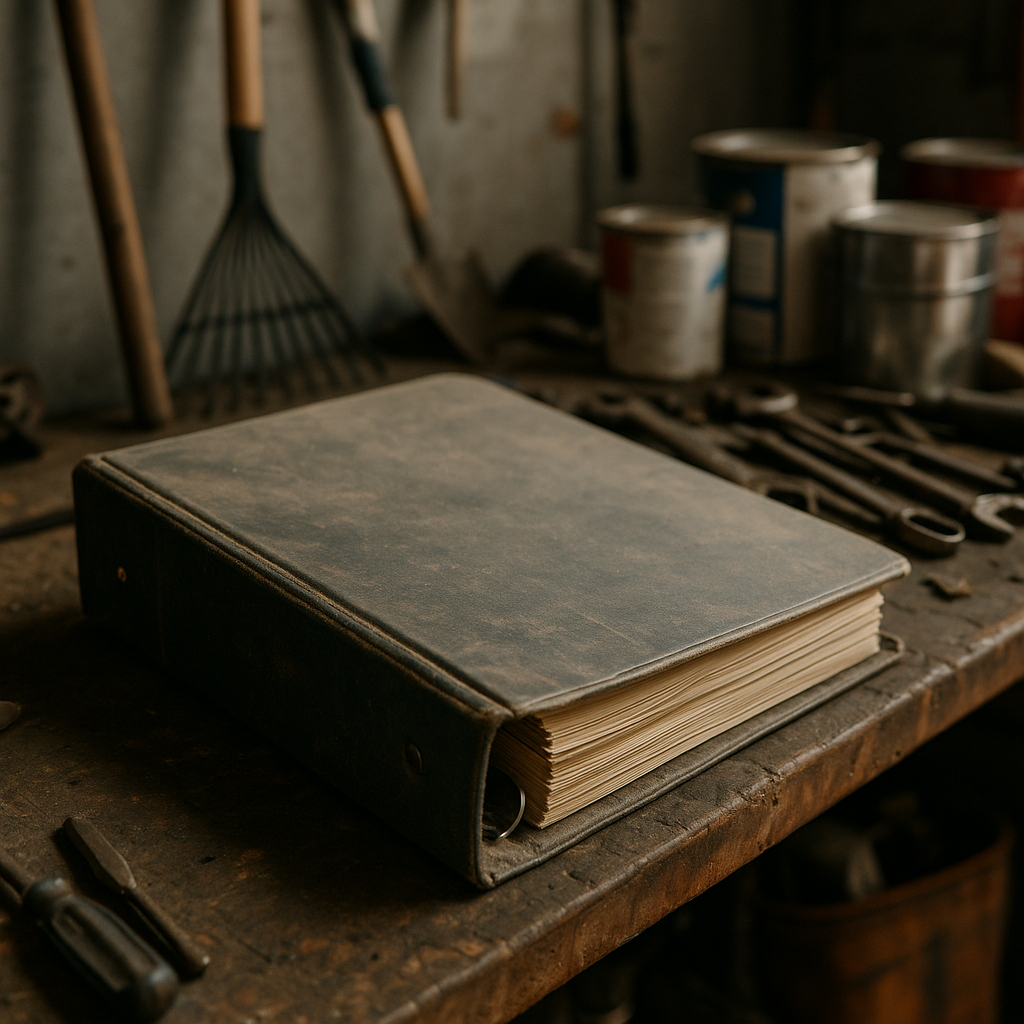
Imagine this: a stack of rakes, old paint cans, and tools shoved aside in a garage corner. Underneath, there’s a plain, dusty binder, like one you’d use to hold school worksheets or tax records. At first glance, there’s nothing remarkable about it. “It looked like something you’d toss straight into the dumpster during spring cleaning,” remarked the new homeowner. Yet, on opening it up, the contents were something completely unexpected: carefully documented records, receipts, and how-to guides for nearly every system in the house.
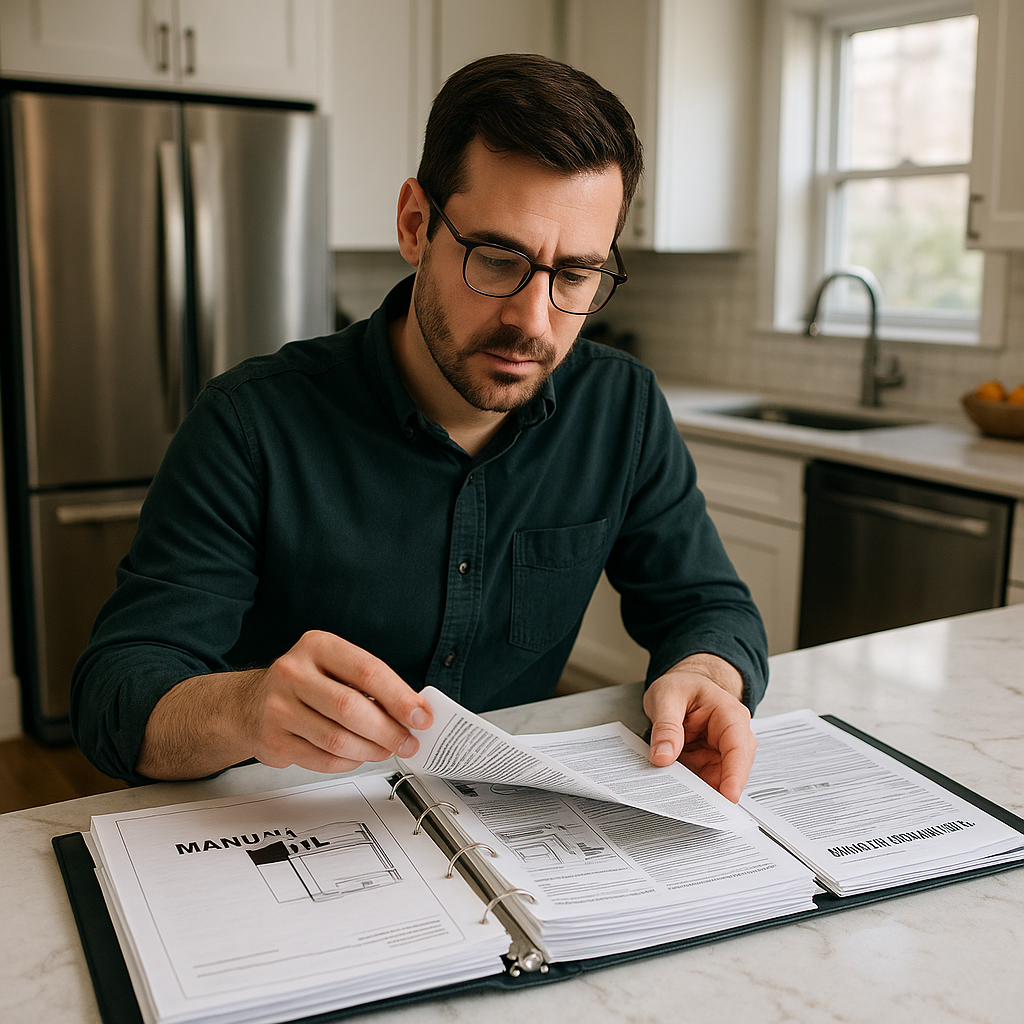
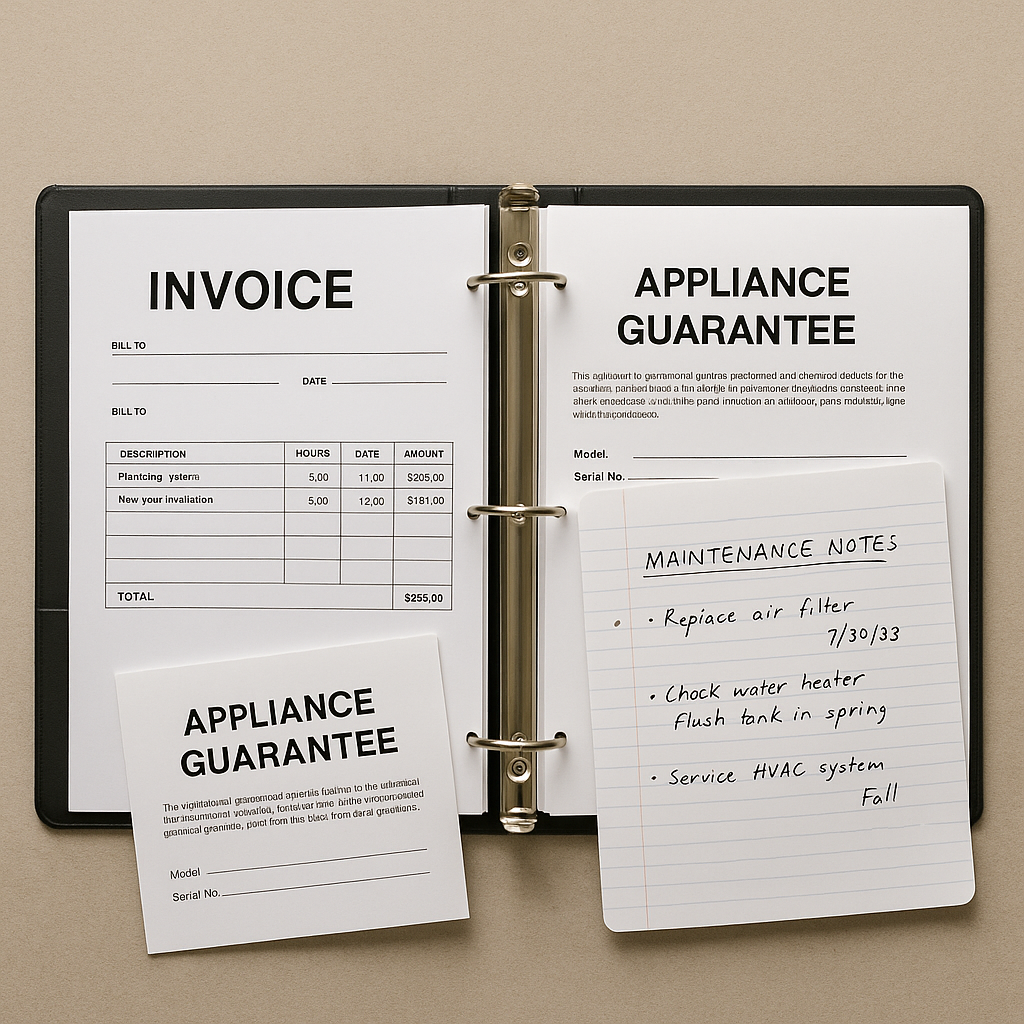
The binder, as it turned out, was a meticulous history of homeownership. It included user manuals for major appliances, warranty information, blueprints for home upgrades, and even contact numbers and notes on local contractors. For someone new to the property, it offered a window into the history of maintenance and upgrades—a practical guide to understanding the heartbeat of their new home.
Why Documenting Home Histories Matters
The phenomenon of leaving behind a “home history” binder isn’t new, but it’s far from common. Experts in real estate and home improvement suggest that many homeowners fail to appreciate the value of maintaining detailed records for their property. According to a 2022 survey from the National Association of Realtors (NAR), less than 30% of sellers leave documentation for home systems and appliances for new owners.
When these records are left behind, however, it can make a significant difference. Industry professionals highlight that records offer insights into appliance warranties, the age of major systems like HVAC or roofing, and contact details for reputable contractors who have worked on the house. “This kind of binder can save a homeowner time and potentially thousands in unnecessary repairs,” notes Claire Montgomery, an independent contractor specializing in home maintenance.
Without these records, the new homeowner may face unnecessary hassle, including redundant maintenance inspections or difficulty sourcing replacement parts. For instance, knowing that a water heater was installed five years ago versus ten makes a big difference when planning repairs or replacements.
From Paper to Pixels: Bringing Home Histories into the Digital Age
Another angle to consider is the growing trend of digitizing home records. Increasingly, technology is stepping in to help homeowners document and track their property maintenance. Apps like HomeZada and Centriq have emerged as digital solutions for storing information on appliances, upgrades, and routine upkeep.
However, despite these advancements, the tactile reassurance of a physical binder should not be underestimated. Carol Simpson, a home appraiser with over 15 years of experience, observes: “A binder provides immediate access to first-time homeowners who may not yet be familiar with all the systems in place. It’s a shortcut to learning the quirks of their new home.” She adds that while apps might be the future, there’s still a charm—and practicality—in flipping through a well-kept binder during a home emergency.
Technology may enhance record-keeping, but it also raises a critical question: how accessible are these tools to more traditional or older audiences? Physical binders, in that sense, remain a universally usable resource.
The Emotional Connection to a Home’s Story
A home is more than just walls and floors—it’s a narrative, shaped by the people who lived there. Home history binders often carry personal touches that help bridge that transition between previous and current residents. Notes left in the margins, favorite contractors highlighted in pen, or annotations like “excellent service – call again!” offer more than a practical guide—they create a human connection.
Interestingly, personal touches like these can even influence future buyers’ perception of the property. According to The Wall Street Journal, a well-documented and organized binder can subtly add to the perceived value of a home. It signals that the home has been cared for—essentially, that it has a well-documented life story.
What to Watch for Next
The story of finding that fateful binder serves as a reminder to homeowners: documenting your home’s “life” is not only pragmatic but also potentially invaluable for those who come after you. For current homeowners, this is an opportunity to start organizing: gather user manuals, warranties, contacts, and receipts for any major repairs or installations, and keep them in one centralized place.
The trend may also prompt new home listings to specify whether homes come with well-documented records, providing buyers with peace of mind and confidence. It’s worth watching whether real estate services and platforms begin promoting such practices, using it as a value proposition in a competitive market.
In the meantime, homeowners should view the task of record-keeping as an essential part of maintenance, akin to changing out air filters or testing smoke detectors. After all, something as simple as a forgotten binder could one day become the key to saving time, money, and stress for someone else entirely.