Images chosen by Narwhal Cronkite
Vatican Recognises the ‘Pain’ Experienced by LGBTQ+ Catholics in Landmark Report
For centuries, conversations between the Catholic Church and LGBTQ+ communities have often been marked by profound discomfort, sometimes silence, and occasionally overt conflict. However, in a monumental step, the Vatican has made a historic acknowledgment of the struggles faced by LGBTQ+ Catholics. In an official report released on May 5th, 2025, the Church integrated lived testimonies from LGBTQ+ individuals—a significant moment in its dialogue with this community.
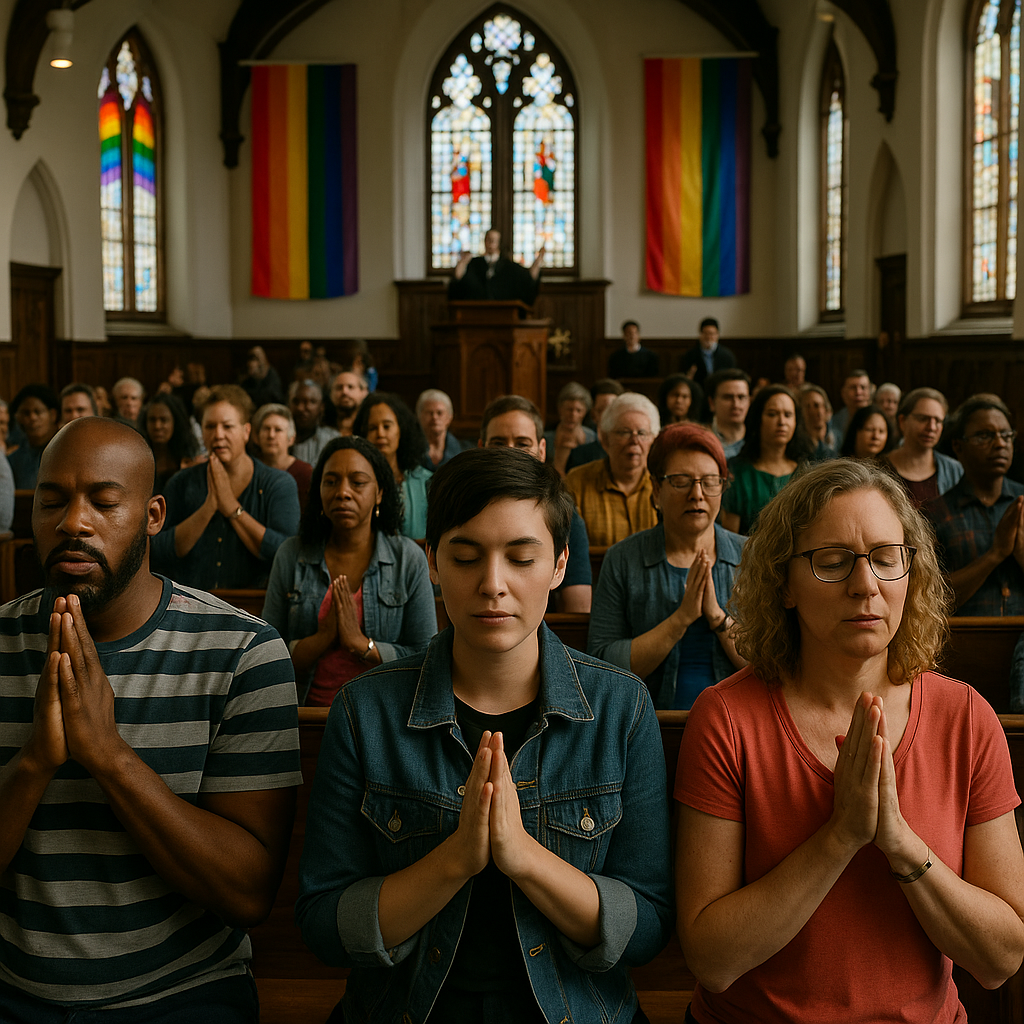
Pain, Stigma, and Longings: Acknowledging Lived Experiences
For the first time, an official Vatican publication has included detailed personal accounts from LGBTQ+ Christians. Among these testimonies were those of two married gay Catholics, offering an unprecedented window into their emotional and spiritual journeys. As highlighted in the report authored by a team of theologians, LGBTQ+ Catholics have often encountered judgment and alienation, described poignantly as “solitude, anguish, and stigma.” One testimony reflected on the challenges of reconciling faith and sexuality, outlining the cultural isolation stemming from Church doctrines.
“The disintegrating separation between faith and sexuality” was a phrase critical to the report’s analysis. It underscored the difficulty experienced by LGBTQ+ individuals trying to maintain their spiritual identity while living authentically. The language represented a shift toward empathy, with a recognition of the harm caused by past practices like “conversion therapy.” According to the theologians, healing must include listening to lived experiences and embracing holistic pastoral care.
The Role of Dialogue in Building Bridges
Although the report stops short of changing official Catholic teaching on sexuality and marriage, its emphasis on dialogue is a notable step forward. It advocates for pastoral care focused on relationships and genuine engagement, rather than doctrinal rigidity. This approach aligns with broader shifts in many Christian denominations, where conversations on LGBTQ+ inclusivity increasingly center on understanding rather than condemnation.

Reverend James Martin, founder of Outreach—a Catholic ministry dedicated to LGBTQ+ support—celebrated this progress. “It’s a big deal,” he remarked, “because they included testimonies and published these stories in detail.” Martin’s perspective highlights the significance of storytelling in humanizing debates around faith and identity, making the Church’s acknowledgment particularly impactful for those long accustomed to silence.
Pope Leo XIV and His Leadership on LGBTQ+ Issues
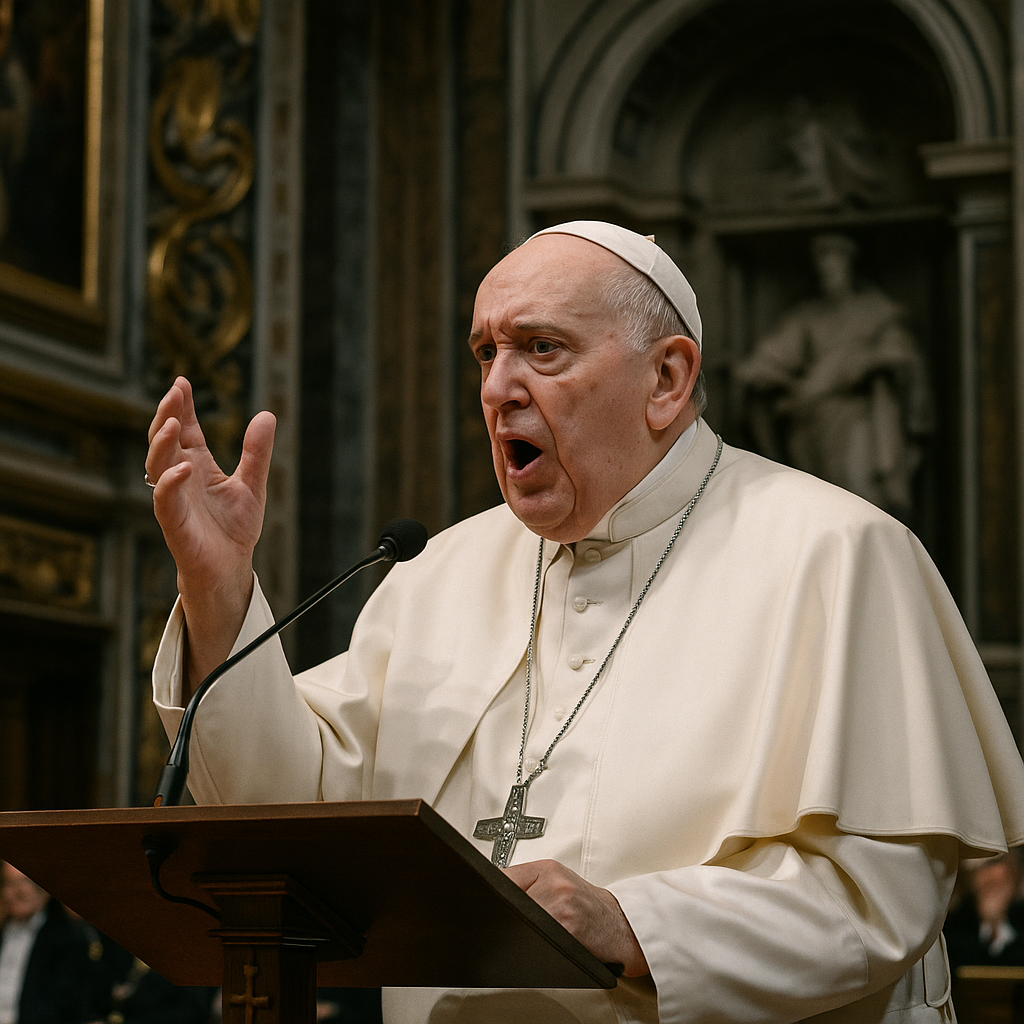
This report arrives during Pope Leo XIV’s tenure, following his assumption of the papacy in 2025 after the passing of Pope Francis. While Pope Leo has yet to directly issue transformative reforms for LGBTQ+ Catholics, his leadership reflects a mix of continuity and compromise. He continues to support informal blessings for same-sex unions while reaffirming traditional definitions of marriage as being between a man and a woman.
Pope Leo’s history with LGBTQ+ issues continues to draw debate. Early remarks in 2012 criticized the “homosexual lifestyle,” which he deemed “at odds with the Gospel.” Nevertheless, in his papacy, he’s displayed growing pragmatism—embracing conversations about inclusivity, albeit tempered by doctrinal conservatism.
A Landmark Moment or Symbolic Gesture?
While the Vatican’s acknowledgment of LGBTQ+ pain is an important milestone, questions linger about whether this report signals substantive change or merely symbolic gestures. LGBTQ+ advocates have long argued that inclusion must go beyond verbal recognition toward institutional reforms—such as redefining exclusionary policies regarding marriage, ordination, and family structures.
Critics of the Church have noted that the report does not resolve the systemic marginalization that continues to affect LGBTQ+ Catholics. Others have expressed cautious optimism, viewing this as an essential step toward deeper change. As Tanya Rodriguez, a Catholic theologian, shared in Religion News Service, “A Church document can only spark discussion. It is the grassroots push from local congregations that will shift the needle.”
What Lies Ahead for LGBTQ+ Inclusion in the Church?
Looking forward, the implications of this report may hinge on how congregations interpret and act upon its recommendations. Will local parishes engage sincerely with LGBTQ+ individuals, or will these dialogues remain tightly controlled by Church hierarchy? Furthermore, Pope Leo XIV’s leadership style suggests incremental, rather than revolutionary, movement—a stance that could continue to spark tensions between progressives and conservatives within the global Catholic community.
Analysts predict that discussions about LGBTQ+ inclusion will expand, potentially influencing neighboring Christian denominations. Meanwhile, Vatican observers speculate on potential ripple effects amid shifting attitudes toward gender and sexuality within Christianity in general.
No matter how the conversation evolves, the decision to document the lived pain of LGBTQ+ Catholics undeniably shifts the narrative and provides a platform for often-silenced voices within the Church.
Conclusion: A Step Toward Unity
The Vatican’s acknowledgement of the struggles faced by LGBTQ+ Catholics is more than a pivotal moment—it’s a spark that could ignite deeper unity within fractured communities. Whether seen as symbolic or substantive, the report represents progress for those seeking an open conversation between faith and identity.
If the Church can sustain dialogue and expand the inclusion of marginalized perspectives, it may gradually transform into a space where all believers find not just tolerance, but spiritual belonging.