Images chosen by Narwhal Cronkite
US and French Nationals Test Positive for Hantavirus After Leaving Cruise Ship
Deadly Virus Outbreak Triggers Global Health Concerns
The recent outbreak of hantavirus aboard the MV Hondius has left health officials worldwide racing to contain potential risks. With confirmed cases stretching across multiple nations—including the United States, France, and Spain—the deadly Andes strain is making headlines as authorities scramble to ensure the safety of those evacuated from the cruise ship.
Though hantaviruses are primarily transmitted by rodents, the rare Andes strain is known for its ability to spread between humans, amplifying fears of a potential surge in infections. The cruise ship, which departed Tenerife for the Netherlands earlier this week, has now become a focal point of analysis as seven confirmed cases and two suspected cases emerge globally.
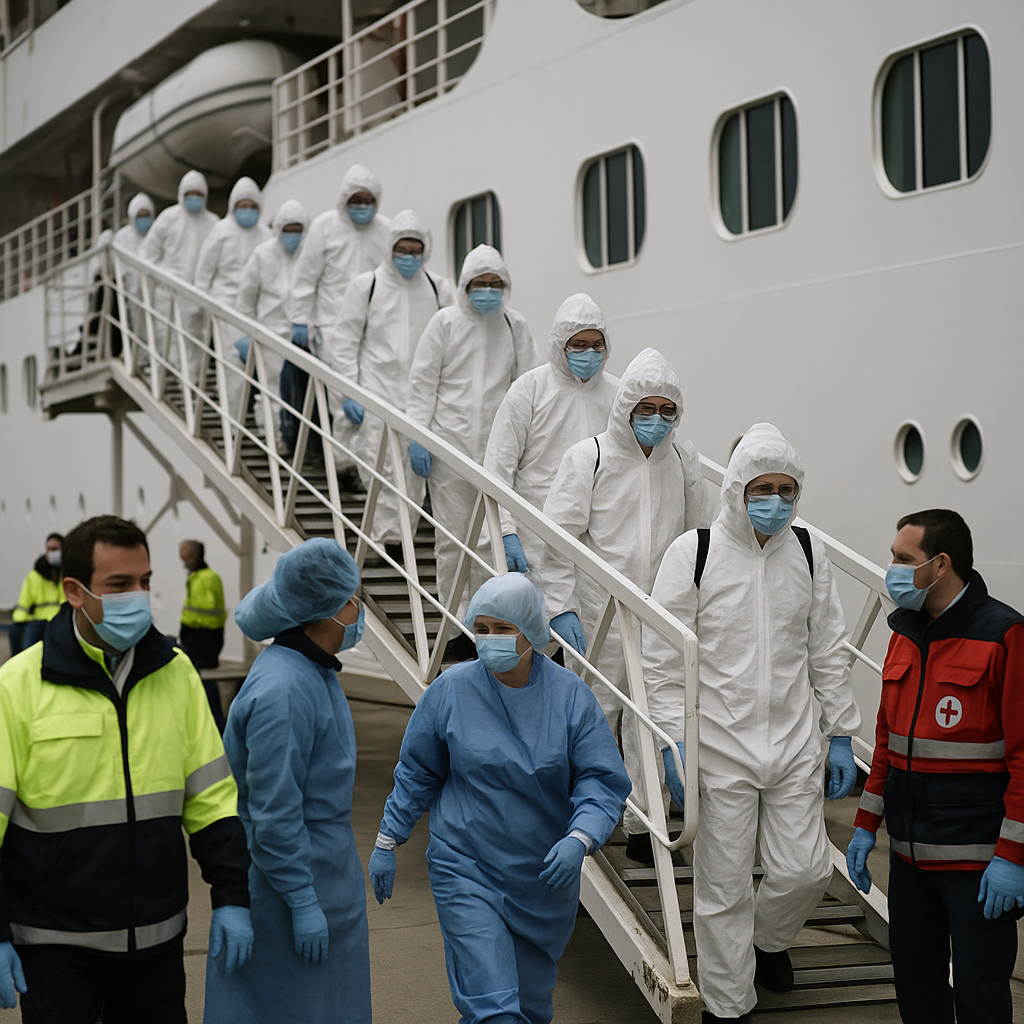
Tracing the Timeline of MV Hondius’ Hantavirus Outbreak
The MV Hondius originally set sail for South American destinations before docking in Spain’s Canary Islands, where reports of illness among passengers first surfaced. The vessel was quarantined shortly after Spanish authorities identified possible cases of hantavirus onboard—a virus that typically causes symptoms such as high fever, muscle aches, and fatigue in its early stages.
Three passengers have tragically lost their lives due to the outbreak, including one confirmed case linked to the virus. So far, seven cases tied to the ship have been verified, with victims returning to countries like the United States, France, and South Africa for ongoing treatment. According to Spain’s health ministry, a quarantined Spaniard in Madrid provisionally tested positive for the virus earlier this week. Authorities are monitoring the ripple effect as repatriation efforts continue.
Dr. Amanda Schultz, a prominent virologist, explains that understanding the transmission mechanism of the Andes strain is critical: “Unlike common hantaviruses spread by rodent excretions, the Andes variant’s ability to spread among humans raises the stakes for global monitoring and prevention.”

Global Response: Repatriation and Quarantine Efforts
Governments of affected countries have launched decisive measures to bring their citizens home for isolation and treatment. As reported by Independent.ie, Ireland repatriated two passengers earlier this week aboard a government-operated jet, now under quarantine following a precautionary health assessment. Similarly, the United States flew 17 passengers in biocontainment units to prevent further transmission, with the Department of Health and Human Services confirming that two Americans exhibited mild symptoms during transit.
France Health Minister Stéphanie Rist has expressed concern over the deteriorating health of a French national now isolating in Paris. Authorities have traced 22 close contacts to further investigate possible exposure. Meanwhile, two British nationals who contracted the virus are undergoing treatment in South Africa and the Netherlands, according to Independent.ie.
With health officials emphasizing the low risk of widespread outbreaks, the complex international coordination highlights the lengths nations are willing to go to ensure public safety. This multi-layered response—including biosecure transportation and extensive contact tracing—might shape future protocols for similar health emergencies.
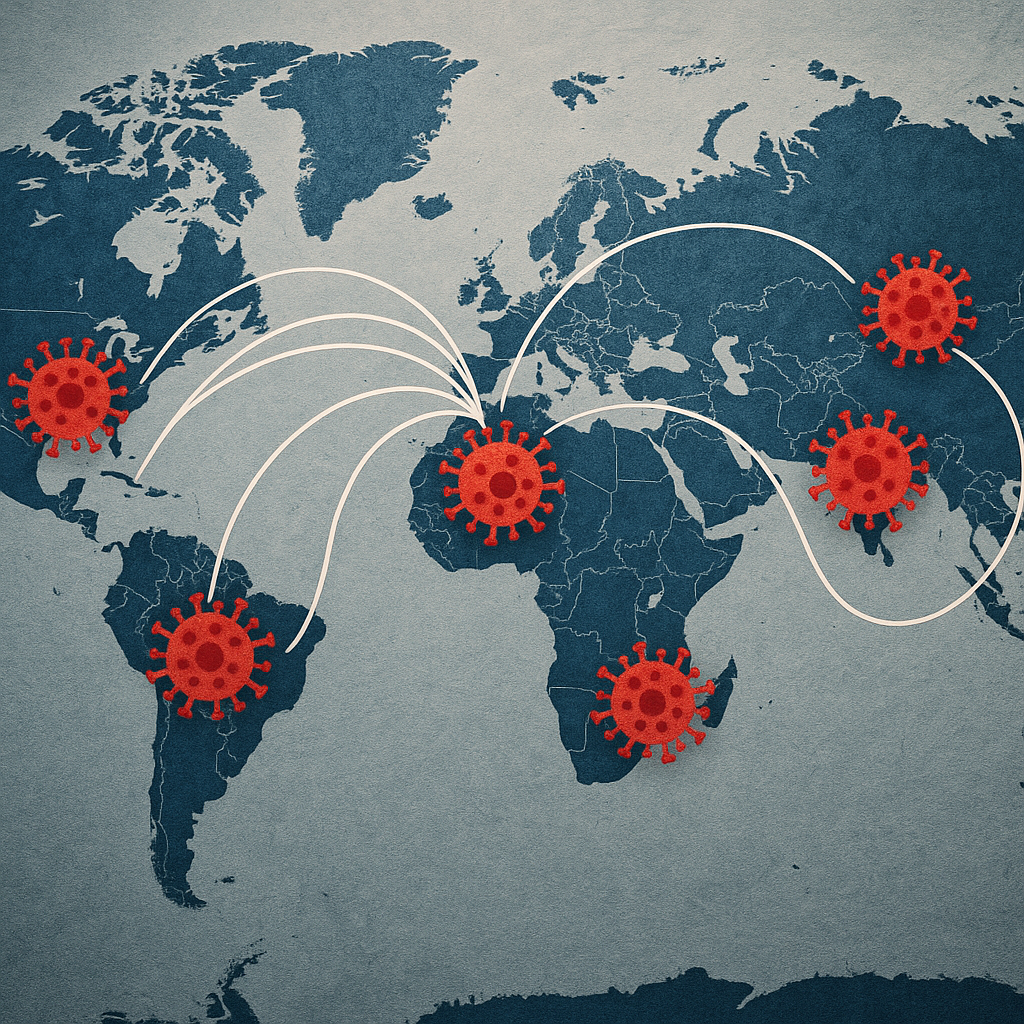
What is Hantavirus and What Makes the Andes Strain Different?
Hantavirus infections, often associated with exposure to rodent droppings or urine in rural areas, typically lead to a severe respiratory condition known as Hantavirus Pulmonary Syndrome (HPS). Andes hantavirus, however, presents a unique challenge due to its documented ability to spread through human-to-human contact—a characteristic not common in other strains.
Symptoms of Andes hantavirus often mimic severe flu-like conditions such as stomach pain, vomiting, diarrhea, and shortness of breath. Without treatment, mortality rates can climb steeply. The World Health Organization (WHO) has classified Andes as a priority pathogen, calling for further study into preventative measures and possible antiviral treatments.
Researchers suggest long-term precautions could involve rodent population control in endemic regions, rigorous travel advisories for South American hotspots, and improved methods for early detection. Industry observers note growing interest in vaccine research, which may offer more robust protections against emerging strains.
Implications for Cruise Tourism and Public Health
This latest outbreak has once again highlighted vulnerabilities within the travel sector and has raised questions about how cruise operators will adapt to future health crises. Kevin Lee, a consultant specializing in risk management for the hospitality industry, tells NarwhalTV: “The MV Hondius incident is a wake-up call for integrating biosecurity measures and health monitoring technologies across cruise fleets worldwide.”
Oceanwide Expeditions, operators of the MV Hondius, have faced criticism despite their attempts to follow WHO-guided protocols. Recent statements from the company show plans to streamline repatriation efforts and ensure rigorous sanitation during the vessel’s transfer to the Netherlands, but public confidence remains shaken.
The financial implications are stark; experts estimate that prolonged quarantines and cancelled itineraries could lead to multimillion-dollar losses for the cruise industry. Insurance companies are also bracing for long-term impacts, especially as liabilities emerge from health emergencies during international voyages.
What Lies Ahead?
With the virus continuing to surface across the globe, international health organizations are maintaining a close watch on emerging cases. Spain’s Ukrainians aboard the vessel, now en route to the Netherlands, may represent the final chapter of this specific outbreak, but the conversation surrounding preparedness, early detection, and vaccine research is far from over.
Public health experts warn that as zoonotic viruses adapt in new settings—including human-to-human pathways—the global response structure will need to evolve proportionately. If government repatriation and biosecure transport prove effective, these methods could become standard protocols in future outbreaks, sparing more lives and containing crises effectively.
The world will be watching how countries like France and the United States—both managing cases locally—handle long-term containment efforts. This incident could serve as a critical test of how nations balance public safety, international coordination, and economic consequences during health emergencies.
As the MV Hondius fades into headlines, the lessons learned from its crisis will resonate far beyond the deck of one cruise ship.