Images chosen by Narwhal Cronkite
Pope Leo Warns That ‘Opaque Algorithms’ Could Lead to New Forms of Dehumanization
“Opaque algorithms” controlled by a small handful of powerful players. Artificial intelligence shaping not just industries but human dignity itself. These are the stark warnings Pope Leo XIV issued on Monday in his new encyclical, Magnificent Humanity, a passionate call for vigilance and regulation in an era increasingly defined by artificial intelligence.
The encyclical touched on a range of urgent issues, from AI’s role in modern warfare to its influence on job markets and personal freedoms, sending ripples across industries and nations alike. But one universal theme loomed large: the urgent need to ensure AI serves humanity rather than eroding it in new and subtle ways.
The Vatican’s Bold Intervention on Technology
Pope Leo’s message comes at a crucial time when AI is dominating headlines, not only for its promises but for its potential risks. The encyclical, a traditionally formal way for the Vatican to communicate guidance to the world, marks perhaps the first such document that takes direct aim at technology and its global ramifications.
Among the Pope’s primary concerns is the growing power of tech giants who develop and control algorithmic models that most people do not, and cannot, fully understand. “Algorithms, often opaque in nature, decide everything from what we read to what we believe,” Pope Leo wrote. He added that such control, concentrated in the hands of a few corporations, risks creating “new forms of dehumanization,” where individuals are reduced to mere data points, stripped of their dignity and agency.
Technology observers note that this isn’t the first time religious leaders have stepped into the tech debate. The Catholic Church has long championed ethical principles, such as fairness and access, and sees AI as yet another domain where unchecked innovation could disproportionately harm the vulnerable.
War and the Weaponization of Algorithms
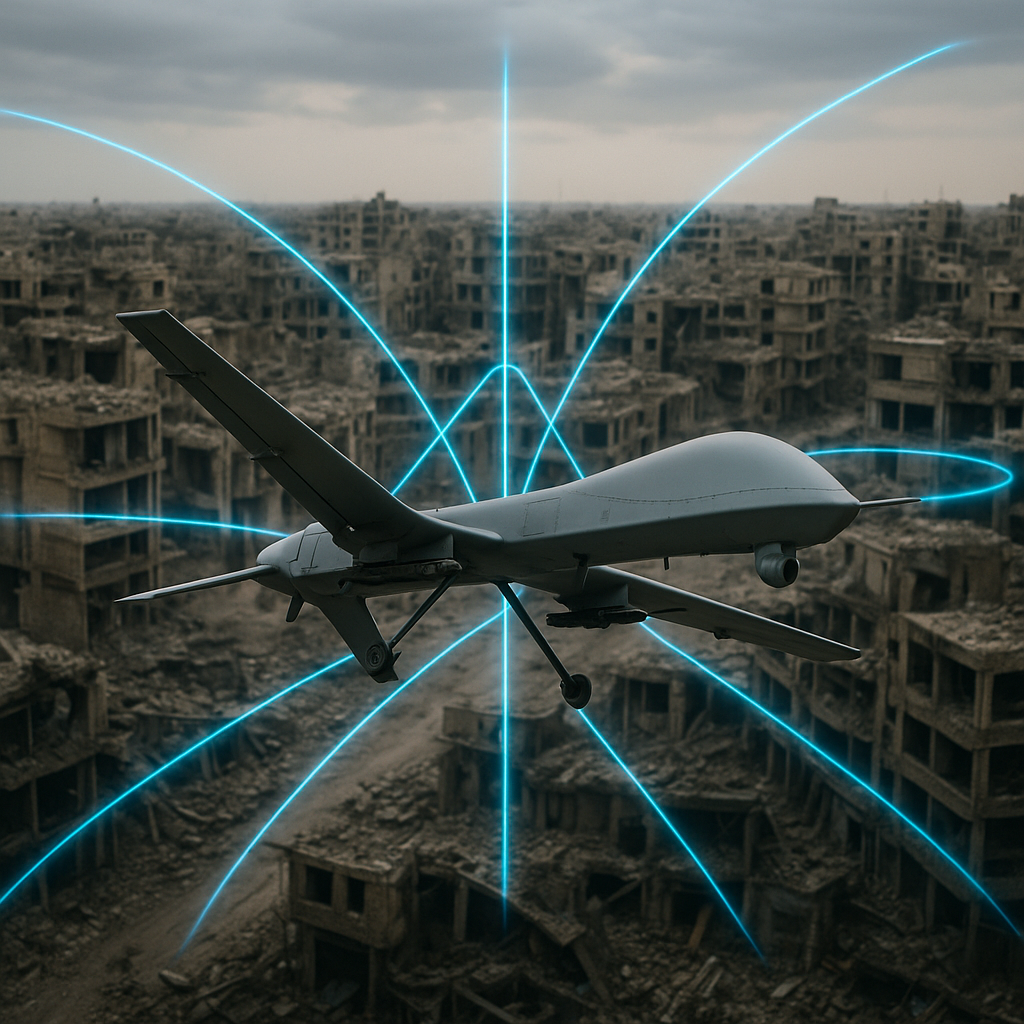
One of the most striking sections of Magnificent Humanity addressed AI’s growing role in military conflicts. While not shying away from specifics, Pope Leo pointed to recent reports of AI-powered systems deployed during the U.S.-Israel conflict with Iran. The Vatican’s stance was unequivocal: “Technology that could advance peace must not be turned into technology that exacerbates destruction.”
In a related speech at the renowned La Sapienza University in Rome, the Pope has previously described AI-driven warfare as a “spiral of annihilation,” urging nations to halt investments that could lead to devastating autonomous weapons systems. The message echoes concerns voiced by AI ethicists and analysts who warn that using artificial intelligence in warfare could lower the threshold for conflicts, making wars easier to start but infinitely harder to control.
Experts continue to debate whether governments are adequately prepared to handle the ethical and legal challenges posed by automated decision-making systems in the battlefield. According to multiple sources, autonomous drones, predictive targeting systems, and algorithm-controlled cyber operations are no longer hypothetical—many such technologies already exist.
Society at a Crossroads: Jobs, Privacy, and Bias
Beyond warfare, Pope Leo cautioned against the “slow erosion” AI could bring to civil society if left unchecked. Automated systems have revolutionized industries such as healthcare, finance, and logistics, but these benefits often come with hidden costs.
Take employment, for example. As AI continues to replace human workers in manufacturing, customer service, and even creative roles, many worry about the long-term economic impacts. Economists call it an “automation paradox”: the same tools designed to increase productivity displace the very workers they were meant to support. By centralizing power over these algorithms within a few corporations, the repercussions for global inequality could be more profound than people anticipate, the Pope noted.
Privacy is another arena where AI’s footprint looms large. From facial recognition to behavioral tracking, AI collects and interprets massive amounts of data, often without informed consent. Studies, including a pioneering 2025 report by the Global Data Ethics Consortium, have shown systemic algorithmic bias disproportionately affecting marginalized communities.
“We live in a moment when technology risks hardcoding inequality rather than solving it,” Pope Leo wrote, calling on the international community to develop systems rooted in fairness and justice.
Can Regulation Be the Answer?
One of the key takeaways from Magnificent Humanity is that regulation—and not just innovation—will define a just AI-driven future. The Pope called for “international institutions to ensure that AI operates within ethical constraints, accessible to all and serving the common good.”
Industry experts echo this sentiment but warn of the complexities in achieving such oversight. Leading markets like the European Union are already moving in this direction with proposals like the AI Act, which could set strict rules for high-risk systems. However, with global power concentrated in countries like the U.S. and China, where regulations vary widely, achieving consensus on international AI governance remains a formidable task.
At the tech-company level, some CEOs have advocated for self-regulation, including AI auditing and transparency measures. Still, critics argue this approach is insufficient, as it leaves too much discretion in the hands of private entities, the very groups the Pope warns against concentrating power with.
What Comes Next
The Vatican’s intervention, while religious in tone, brings a universal moral argument to what is quickly becoming the defining question of the 21st century: how should humanity use its most powerful tools? Pope Leo’s call for the decentralization of power, respectful innovation, and global cooperation adds unique weight to ongoing discussions among governments, tech leaders, and academics.
Looking ahead, industry developments like the potential regulation of AI-driven military technologies, bias detection frameworks, and the wider adoption of ethical AI standards will remain critical areas to watch. Pope Leo’s encyclical, far from being a final word, is likely to spark deeper conversations in these spaces. Whether those conversations lead to meaningful action is a question only time can answer.
As Pope Leo wrote in his closing remarks, “Technology must never replace the soul of humanity. It must act as its servant, not its master.”