Images chosen by Narwhal Cronkite
NATO Ready to Defend ‘Every Inch’ as Russian Drone Strike Escalates Tensions
“Every inch of NATO territory will be defended.” This emphatic message, issued by NATO Secretary-General Mark Rutte, underscores the precarious balance of power in Eastern Europe following the latest incident involving Russian aggression. A Russian drone strike on Romania—a NATO member—has not just caused physical damage and injuries but has reignited questions about the alliance’s role in this escalating conflict.
As the Russia-Ukraine war grinds on, this incident is a stark reminder of how easily the conflict may spill across borders. With NATO pledging an unflinching commitment to collective defense, the stakes for international stability and security could hardly be higher.
The Incident in Galați: What Happened?
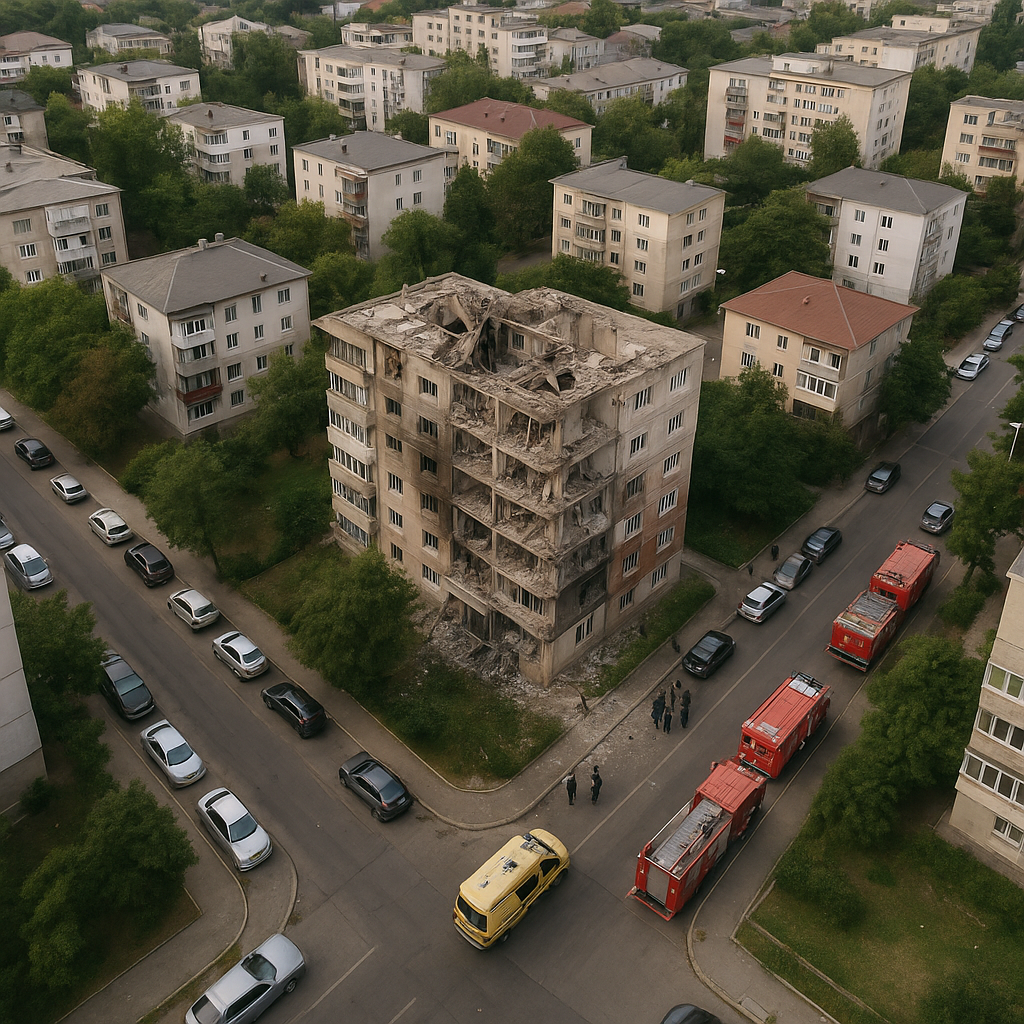
The early morning hours of Friday in Galați, Romania, were shattered by the impact of a drone collision into the roof of a residential apartment building. The crash caused a fire, left two people injured, and forced the evacuation of dozens. The Romanian Ministry of Defense confirmed the drone was tracked by radar before entering its airspace, raising immediate questions about Russian intent.
Though the Kremlin has denied responsibility—relegating the incident to an allegedly stray Ukrainian weapon—this explanation has found little traction internationally. Romanian President Nicuşor Dan swiftly condemned the act as a “grave and irresponsible escalation,” while convening an emergency meeting of the country’s supreme council of national defense.
As noted by the Guardian, Romania is also calling for formal NATO consultations under Article 4 of the alliance’s treaty, framing this incident within the broader context of regional security. “Russia’s reckless behavior is a danger to us all,” wrote Rutte in his statement of solidarity with Bucharest.
NATO’s Stance: Defend and Deter
NATO’s commitment to its Article 5 principle—that an attack against one is an attack against all—was once again put in the spotlight by this incident. Although Gen Gheorghe Maxim, a high-ranking Romanian military official, clarified that the attack was not interpreted as a direct strike against Romania, he reiterated that this does not diminish the broader threat posed by Russia. “Romanians should understand that Russia is a threat to the security of the countries in the area,” Maxim remarked.
Incidents like the Galați drone strike are not isolated acts. They fit into a broader narrative of hybrid warfare pursued by Russia—one that incorporates disinformation campaigns, cyberattacks, and now, increasingly, kinetic operations spilling over Ukraine’s borders. According to Globalsecurity.org’s coverage of recent NATO activities, multinational exercises like “TROJAN FOOTPRINT 2026” are specifically designed to fortify the alliance’s readiness to counter such threats. These drills involved thousands of Special Operations Forces (SOF) personnel coordinated across Europe, reflecting NATO’s awareness of the growing complexity posed by Russian operations.
For Romania: A Diplomatic and Military Test
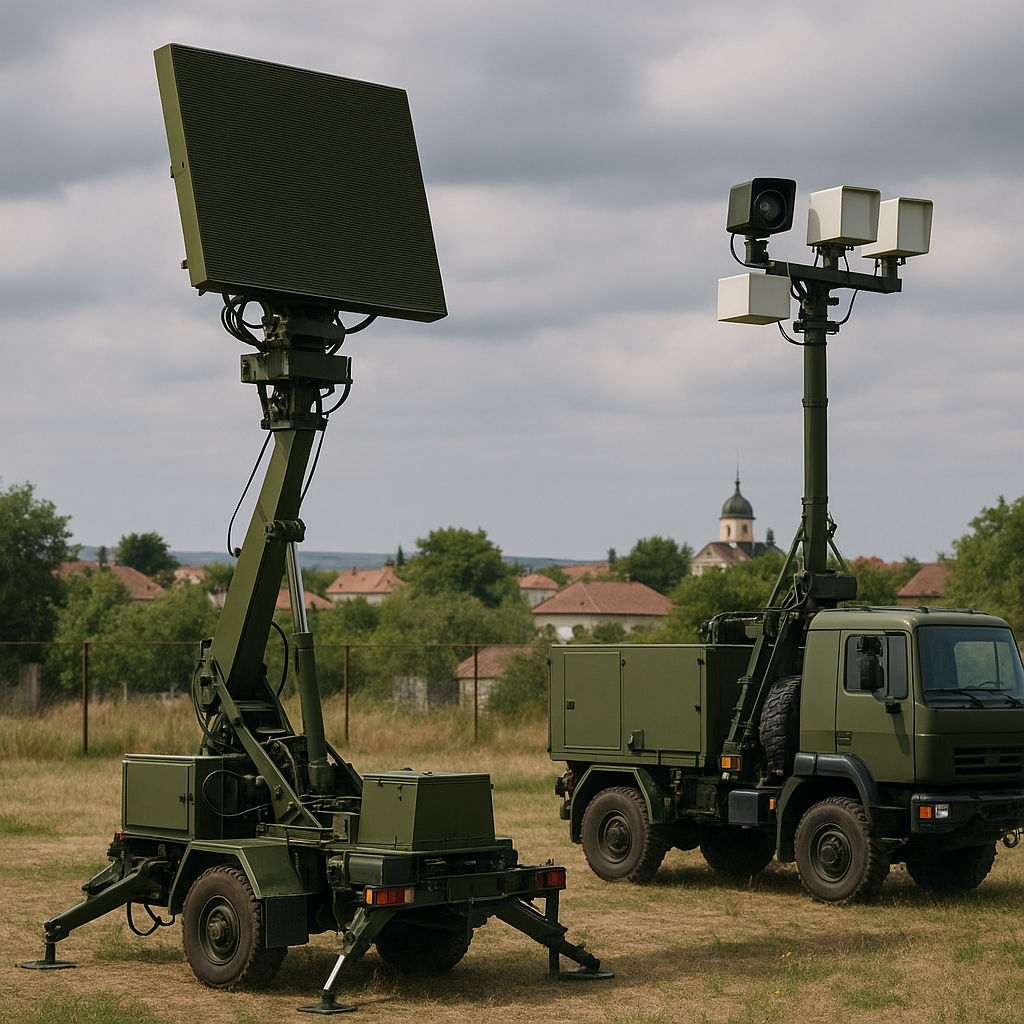
Romania’s reaction to the drone incident highlights both its vulnerability and its resolve. The Romanian Foreign Ministry announced the expulsion of a Russian consul general, while calling for accelerated NATO support in deploying advanced anti-drone systems. Additionally, further European-level sanctions against Moscow may now be on the table, according to Romanian Foreign Minister Oana Țoiu.
This event also deepens Romania’s role as a strategic frontline NATO state. It has already been a hub for organizing logistics and humanitarian support for Ukraine, but as the war enters a more tenuous phase, Romania may also face increasing risks. “This is a diplomatic and security crossroads for Romania,” says one analyst specializing in Eastern European geopolitics. “It reinforces the need for Romania—and NATO as a whole—to be equipped and vigilant.”
Broader Implications for NATO and Europe
For NATO, this marks another flashpoint in balancing regional security and escalation management. Should further incidents occur, invoking Article 5 remains an option—but one with severe consequences. Analysts suggest that NATO is likely to explore intensified deterrence rather than immediate intervention, relying on contingent rapid-response plans and intelligence sharing. “The aim,” one NATO official stated anonymously, “is to ensure incidents like this do not embolden further aggression from Moscow without inadvertently escalating our own involvement.”
On the European front, the psychological impact of Russian attacks straying into NATO territory cannot be understated. No longer confined to theoretical war games, this is a tangible demonstration of how deeply intertwined European states have become within the conflict’s narrative. Partnerships like the EU-NATO Declaration of 2023 underscore how aligned these institutions increasingly are on matters of mutual defense and security.
What Comes Next?
The Galați strike should be viewed as a bellwether, not just a one-off anomaly. Russia, having already intensified its strikes on Ukraine, has made its willingness to challenge NATO’s borders more apparent. Monitoring whether Romania proceeds with invoking Article 4 will be crucial in determining whether NATO opts for a more formalized bloc-wide response to perceived Russian aggression.
Equally compelling will be the deployment of enhanced capabilities within Romania, including anti-drone systems. As Moscow tightens its pressure in Eastern Europe, NATO faces the twin challenges of reassurance and deterrence in equal measure. For Europe, and the global order at large, the next steps will sketch the outlines of either increasing conflagration—or reinforced containment.