Images chosen by Narwhal Cronkite
Pope Leo XIV Warns: AI’s Limitations Threaten Human Values
A Bold Statement from the Vatican
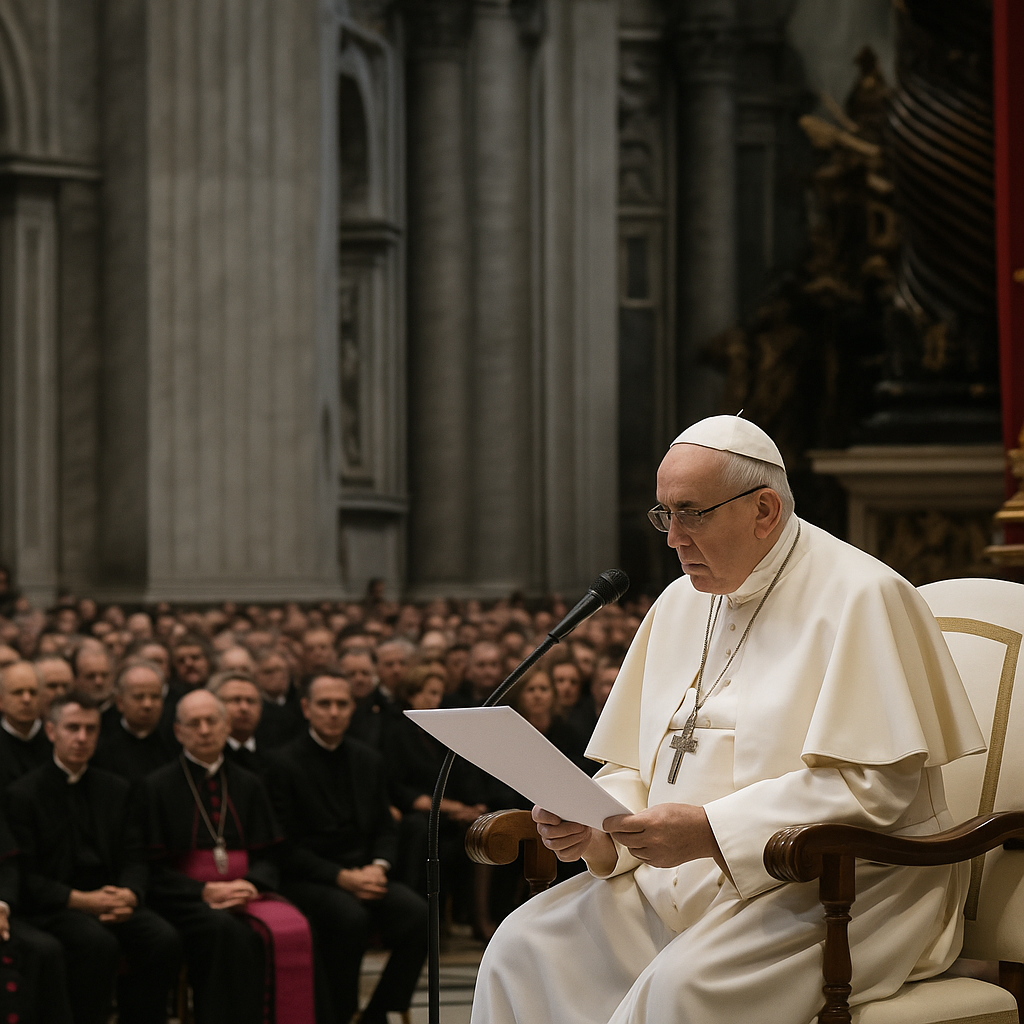
“Artificial intelligences do not undergo experiences, do not possess a body, do not feel joy or pain, do not mature through relationships, and do not know from within what love, work, friendship or responsibility mean,” declared Pope Leo XIV in his first encyclical, Magnifica Humanitas. This newly published work, which translates to “Magnificent Humanity,” comes as the world faces rapid advancements in artificial intelligence and its integration across virtually every aspect of life. With a detailed warning on the moral and existential consequences of unchecked AI development, the document has sparked intense discussions among policymakers, technologists, and ethicists.
The Core Message of Magnifica Humanitas
As noted by Flowingdata.com, the encyclical highlights humanity’s unique ability to experience emotional, spiritual, and moral growth—qualities fundamentally absent in artificial intelligences. AI, as Pope Leo elaborates, lacks the physical and relational experiences that define human existence. “They do not know what love, work, friendship or responsibility mean,” the document states, underscoring the profound gap between machine-learning algorithms and human life.
According to Kottke.org, the encyclical extends beyond philosophical concerns, warning that AI’s increasing role in decision-making could lead to a future governed solely by technocratic principles. Pope Leo implores companies and nations to disarm harmful AI technologies, emphasizing that innovation without ethical grounding poses risks to fundamental human rights.
AI and the Rise of Technocratic Power
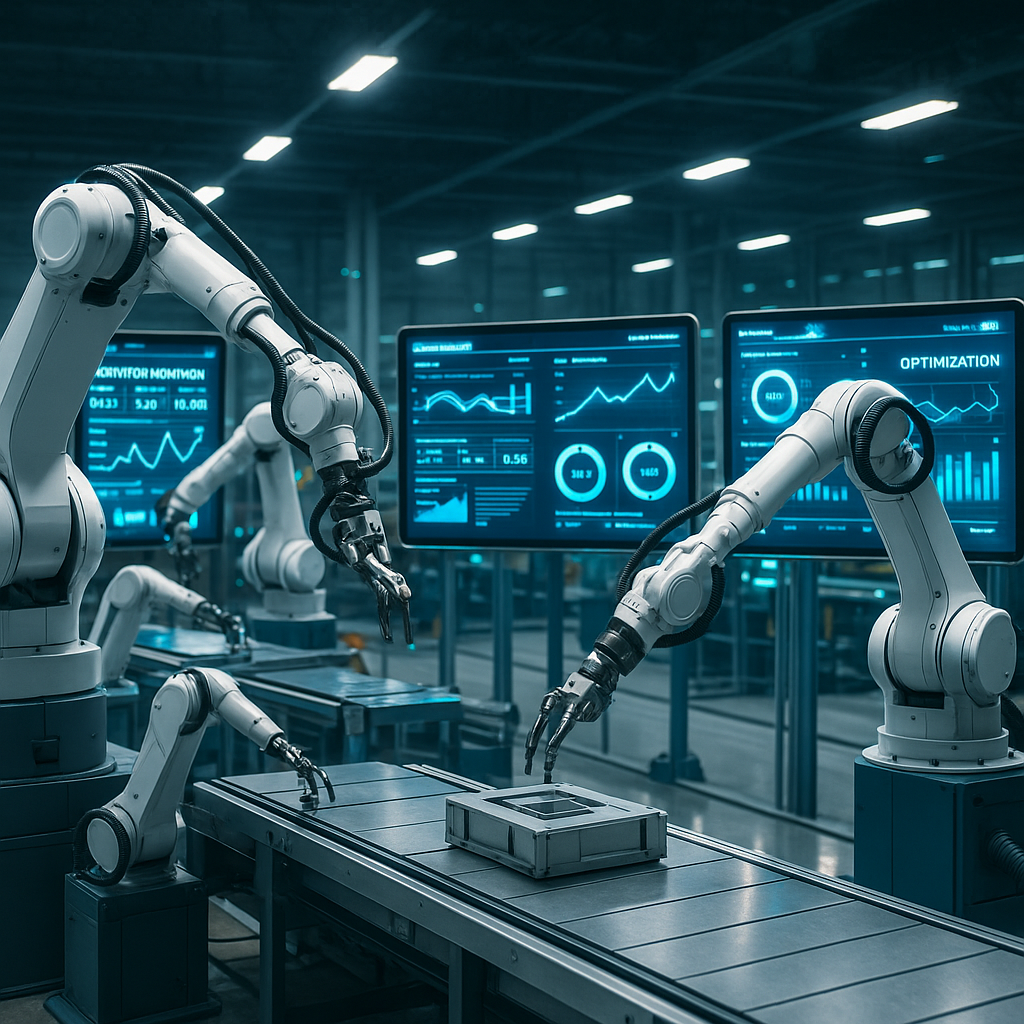
One of the most pointed cautions in the encyclical addresses the concentration of power within Big Tech companies. According to Theregister.com, Pope Leo stated that the AI boom has empowered corporations and their leaders in ways humanity cannot afford to ignore. “Change is too often presented as necessary and inevitable,” the Pope warned, highlighting how technological development, if left unchecked, could prioritize corporate interests over human dignity.
The document calls for regulatory vigilance and a global ethical framework for AI that prioritizes equality and justice. Industry observers are increasingly wary of expanding corporate influence, echoing concerns highlighted in the encyclical. Some analysts argue that AI systems are already reinforcing societal inequities, such as biased algorithms in hiring and policing.
AI Consciousness: A Persistent Debate
Amid calls to regulate AI, there remains a contentious debate over whether artificial intelligences could eventually achieve consciousness. Anthropic, a prominent AI research company, has publicly posited that future systems might attain self-awareness, according to Gizmodo.com. This view stands in sharp contrast to Pope Leo’s assertion that AI cannot—by definition—possess an inner moral compass or emotional awareness. “AI cannot judge good and evil,” the Pope declared.
For critics of AI consciousness claims, such arguments only exacerbate ethical dilemmas. If intelligent systems are mischaracterized as autonomous entities, it could distort public understanding of accountability by shifting responsibility away from human programmers and decision-makers.
A Call for Collaboration Between Ethics and Innovation
The encyclical does not argue for halting AI progress entirely but rather insists on a balanced approach that safeguards human values. Pope Leo has called for interdisciplinary collaboration among theologians, ethicists, policymakers, and technologists to guide innovation responsibly. “Human dignity cannot be sacrificed for progress,” the document repeatedly emphasizes.
Meanwhile, tech enthusiasts are exploring ways to implement ethical principles in AI frameworks. Industry leaders are focusing on developing systems that prioritize transparency, equality, and accountability. This conversation mirrors earlier calls for action from Pope Francis, Pope Leo’s predecessor, who warned that humanity must prevent technology from morphing into a new form of oppression.
What Lies Ahead?
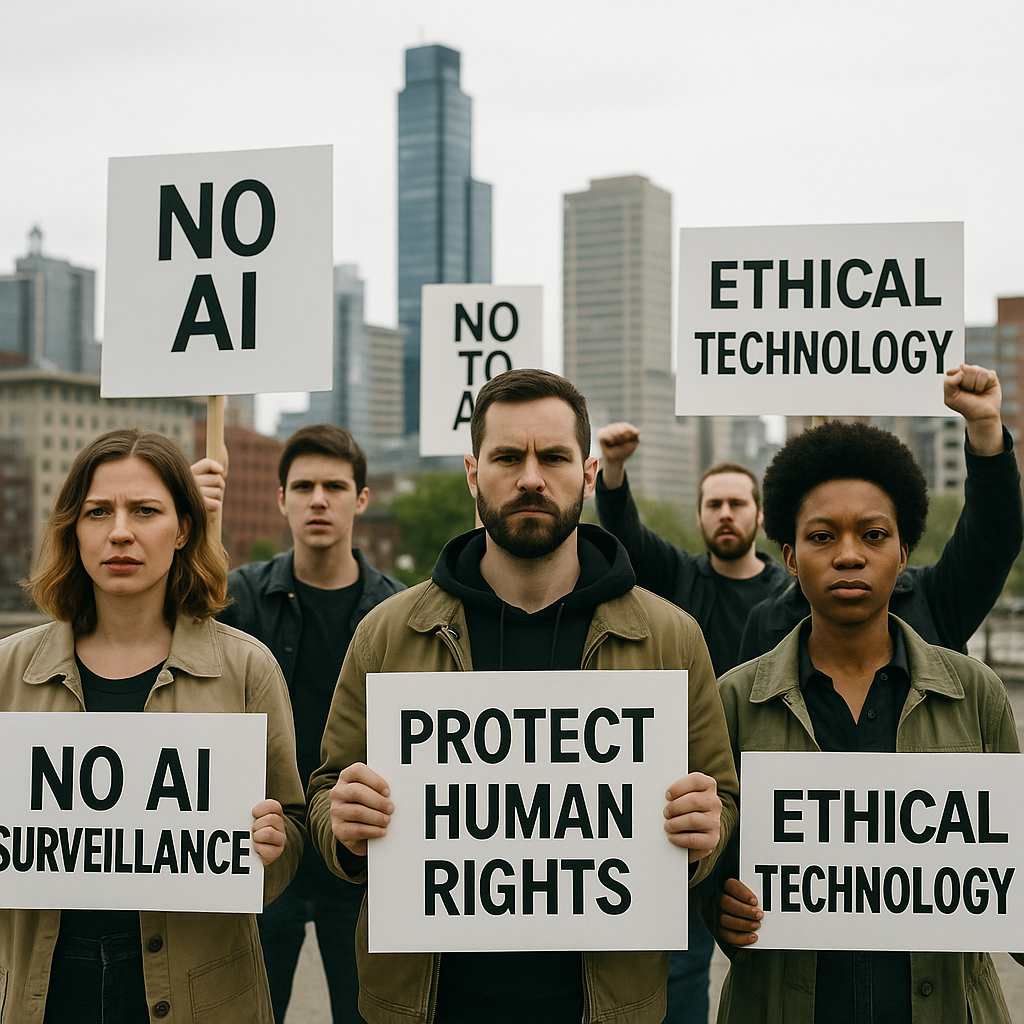
The release of Magnifica Humanitas marks a turning point in moral debates surrounding artificial intelligence. As governments and corporations race to establish dominance in AI-driven markets, the encyclical urges society to reflect on what it means to remain fully human in an increasingly automated world. This document has bolstered efforts toward crafting global AI protocols, which include restricting systems that threaten privacy, equality, or autonomy.
Looking forward, analysts suggest keeping an eye on emerging legislative proposals addressing AI ethics. Nations including the European Union, Canada, and Japan have taken steps toward regulating artificial intelligence, but global cooperation remains critical. Religious leaders like Pope Leo XIV remind stakeholders that technology must serve humanity—not the other way around.
As AI reshapes industries from healthcare to entertainment, the conversation about its boundaries will only intensify. The Vatican’s moral perspective offers a compelling lens for examining the ethical dilemmas posed by technology, urging humanity not to lose sight of its spirit in the face of machine-driven progress.