Images chosen by Narwhal Cronkite
Erin Brockovich Says Anger Over Data Centers Stems From Secrecy and Lack of Transparency
Communities across the United States are growing increasingly frustrated with the rapid proliferation of data centers, citing a lack of transparency and meaningful dialogue. Erin Brockovich, the famed environmental advocate, has raised a clarion call on the issue, stating that many residents feel data centers are being “shoved down their throats” without sufficient public input or awareness.
The controversy around data centers—buildings that house large-scale computing infrastructure processing massive amounts of data—has escalated in recent years. Proponents praise these facilities for their role in enabling today’s digital economy, while critics argue they come at social and environmental costs that are too often hidden behind closed doors.
Why Data Center Expansions Spark Backlash
Brockovich’s comments, quoted in Business Insider, encapsulate a growing unease in many communities hosting data centers. “People are angry because they feel these projects are being imposed on them without transparency,” she said, referencing the common use of non-disclosure agreements (NDAs) that prevent officials and stakeholders from discussing certain details of the developments.
Data centers are often pitched as economic boons that bring jobs and infrastructure investment, yet observers say the reality on the ground is more complex. Industry analysts note that while these centers are critical for cloud services, video streaming, and artificial intelligence applications, their environmental impact—including water consumption and energy requirements—can be extensive. Furthermore, secrecy around their construction and operations erodes trust among nearby residents.
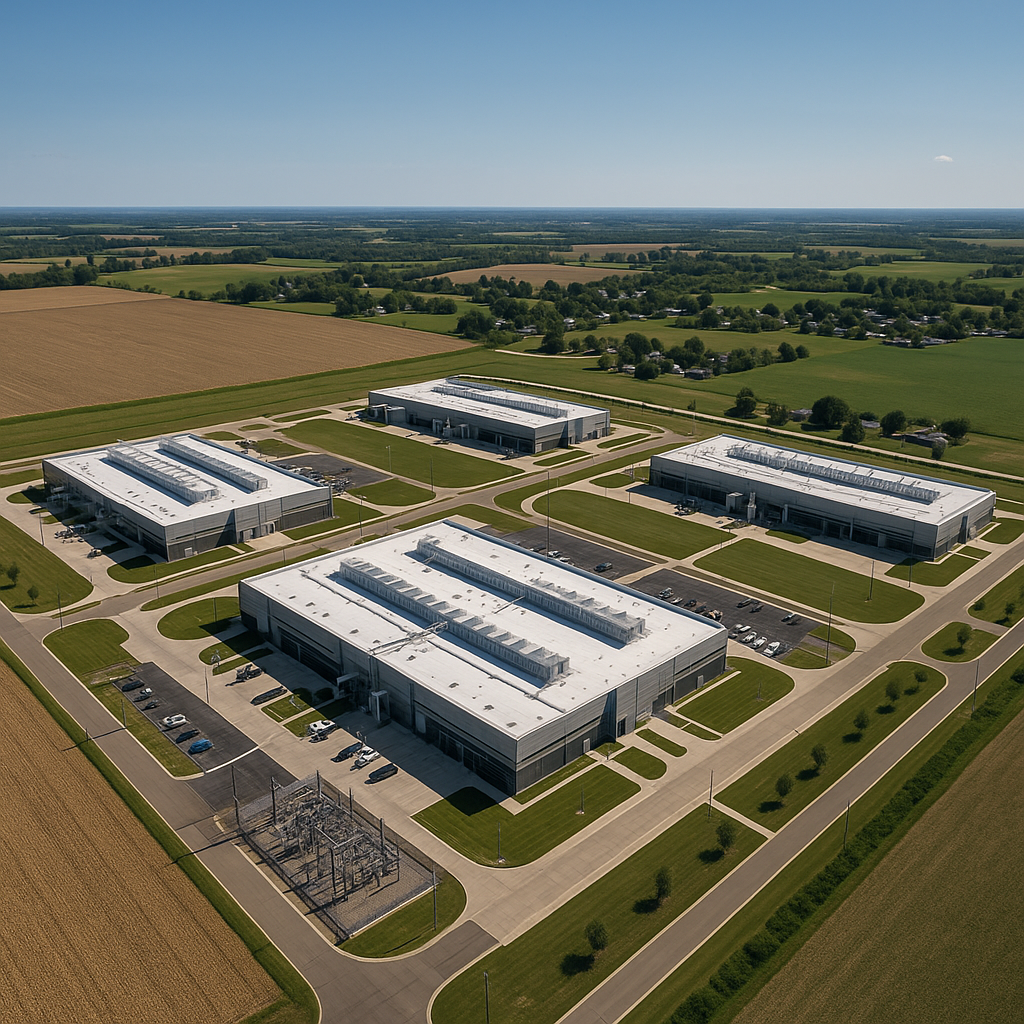
One poignant example was a recent community meeting in Culpeper County, Virginia, where plans to build a massive data center drew fierce opposition. Several residents cited concerns about noise, traffic congestion, and the facility’s water usage during periods of drought. Protests intensified following revelations that the developers had required local officials to sign NDAs about the proposal’s details—a practice that critics, including Brockovich, say undermines democratic accountability.
The Hidden Costs of Modern Connectivity
The public backlash sheds light on the less-discussed implications of an increasingly digital world. Data centers’ insatiable demand for energy and water makes them lightning rods in discussions about sustainability. While firms often promise green energy targets or reduced carbon footprints, these commitments sometimes lack enforcement mechanisms, leaving communities to deal with long-term consequences.
For instance, a 2024 study by the U.S. Department of Energy revealed that data centers combined consume about 2% of the nation’s total electricity—a figure expected to rise as automation, artificial intelligence tools, and online platforms continue to grow. Water usage is another key issue. Cooling systems often require millions of gallons annually, which can deplete resources in water-stressed regions, according to environmental watchdog organizations.

Environmental groups have raised red flags that community concerns are frequently ignored due to non-disclosure agreements and limited public consultation. “It’s a classic case of development at any cost,” one tech infrastructure analyst said. “When residents seek details about energy usage or pollution, they often hit legal barriers.”
A Growing Call for Transparency
Brockovich and other advocates underscore the need for improved transparency and public engagement. They emphasize that NDAs and secrecy fuel distrust and exacerbate tensions. Community leaders who feel excluded from decision-making often report frustration, which can escalate into more organized protests or even cases of misconduct. In one instance tied to this issue, a vocal opponent of a proposed data center was arrested for allegedly making threats against a public official—a situation that shows how deep emotions run.
Experts suggest a broader framework for responsible data center deployment, including environmental impact audits, open town hall meetings, and legally binding guarantees for climate goals. “When developers and local officials work collaboratively with the public, the projects are much more likely to succeed,” said a legal expert familiar with infrastructure developments.

What Comes Next?
As long as the global demand for information grows, the debate around data centers will likely persist. Municipalities that successfully balance economic benefits with long-term community needs could offer a model for future development—but only if transparency becomes the standard, not the exception.
Brockovich’s advocacy comes amid a broader reckoning over how large-scale technology projects interact with local populations and ecosystems. Whether it’s renewable energy farms, broadband infrastructure, or data centers, the public is demanding greater oversight and ethical accountability in planning processes.
Looking ahead, observers note that the data center approval process may soon face legal reform aimed at curbing unnecessary secrecy while fostering trust. In the meantime, communities, developers, and policymakers will need to navigate this contentious terrain carefully to ensure the benefits of progress do not come at undue social or environmental costs.
The question remains: Will transparency prevail, allowing residents and businesses to coexist more harmoniously, or will clandestine practices continue to stoke mistrust? As communities wrestle with these choices, all eyes will be on how this pivotal issue evolves.