A Reddit thread on r/movies has reignited a long-running debate about retroactive movie censorship after a user discovered that Napoleon Dynamite, the 2004 cult classic, has been quietly edited on at least one major streaming platform. The specific change: the line “You guys are retarded” has been replaced with “You guys are idiots.”
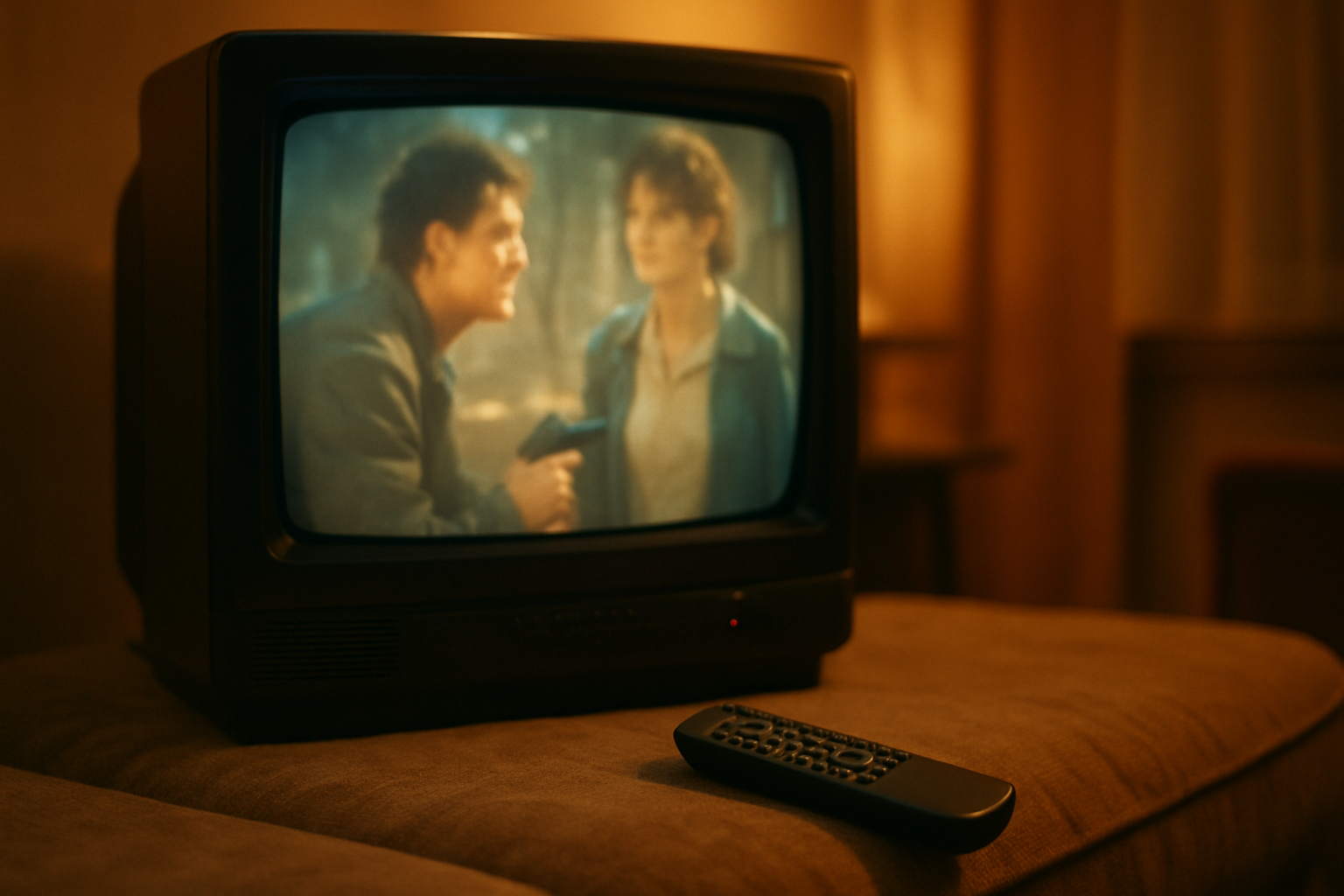
The non-obvious detail here is that the edit wasn’t announced, flagged with a content disclaimer, or noted anywhere in the platform’s metadata. Viewers only catch it if — like the Reddit user who posted — they have the original dialogue memorized. That kind of silent alteration is what’s driving the most heated responses in the thread.
Napoleon Dynamite Censored: What Exactly Was Changed
The line in question is delivered by Napoleon himself, the film’s famously awkward, deadpan protagonist. In the original Reddit post, the user writes: “I understand that the word is considered offensive now (and then) but I thought this just added to the weird quirkiness of Napoleon and was part of why he became so iconic.”
That framing gets at the real tension: the word was already considered offensive when the film was released. Director Jared Hess leaned into Napoleon’s social obliviousness as a character trait — his casual cruelty and total lack of filter were the point. Swapping the word for “idiots” doesn’t remove the offense so much as sand down the character’s roughest, most specific edges.
It’s worth noting this isn’t the first time a cult classic has been quietly altered for modern streaming audiences. The practice has become common enough that film preservationists and critics have coined a term for it: retroactive editing. Think of it as the streaming-era equivalent of colorizing a black-and-white film — well-intentioned to some, sacrilege to others.
The Case For the Edit
Advocates for the change argue that language matters, and that the word in question has been used as a slur against people with intellectual disabilities for decades. The American Psychological Association removed “mental retardation” from clinical use years ago, and the Special Olympics has campaigned widely against casual use of the R-word in media and everyday speech.
From this perspective, streaming platforms have a responsibility to the broadest possible audience. A parent watching with a child who has a disability shouldn’t have to navigate a slur embedded in a beloved comedy. The argument isn’t about erasing history — it’s about who gets comfortable access to it.
The Case Against the Edit
The opposing view, which dominates the Reddit thread, is more about transparency and artistic integrity than defending any specific word. Commenters argue that a film is a historical artifact. Editing it without disclosure is a form of deception — you’re no longer watching Napoleon Dynamite as it was made and released; you’re watching a version that was quietly revised by a platform’s content team.
This is especially fraught for a film like Napoleon Dynamite, where the dialogue is inseparable from the character. Napoleon’s voice, cadence, and word choices are the film’s entire comedic engine. Changing even one line chips away at the texture that made it a cult classic film in the first place.
There’s also a slippery-slope concern. If streaming platforms can silently edit one word, what’s the limiting principle? Dozens of beloved films from the 1990s and early 2000s contain language that would be flagged today. The 40-Year-Old Virgin, Superbad, American Pie — the list is long. Fans worry that piecemeal, undisclosed movie censorship could become standard practice.
A Better Path: Disclosure Over Deletion
Most voices in the thread — even those sympathetic to the goal of reducing harmful language — agree that transparency is the bare minimum. A simple content note explaining that a film has been edited for streaming would let viewers make an informed choice. Platforms like Disney+ have already set a precedent for this: they added content advisories to older films flagged for racial stereotypes rather than altering the footage itself.
That model respects both audiences and filmmakers. It acknowledges that some content is dated or harmful without pretending the original never existed. It also gives viewers the agency to decide for themselves — which is, arguably, the whole point of having a streaming library in the first place.
The pace of change in media and technology is accelerating, and questions about who controls what we see — and hear — are becoming more urgent. Streaming platforms now function as the primary gatekeepers of film history for millions of people. That’s a significant amount of cultural power to wield without a clear editorial policy.
For context on how tech companies are navigating editorial decisions more broadly, see our piece on Apple’s new AI-powered Siri and the content moderation choices baked into its design.
What Happens Next
So far, neither the film’s distributor nor the streaming platform in question has commented on the edit. The Reddit thread continues to grow, with users comparing notes on other films they’ve noticed have been altered — suggesting this story is far from over. If public pressure builds the way it did around Disney’s content advisories, platforms may be forced to adopt a formal disclosure standard.
Until then, if you want to know whether you’re watching the version a director actually made, you may need to dust off a physical copy — or simply have every line memorized.