At least 40 people have drowned in France over a matter of days as a brutal heatwave drives crowds to rivers, lakes, and canals in search of relief, Reuters reported on June 24, 2026. The toll marks one of the deadliest short-span drowning spikes France has recorded during a heat emergency.
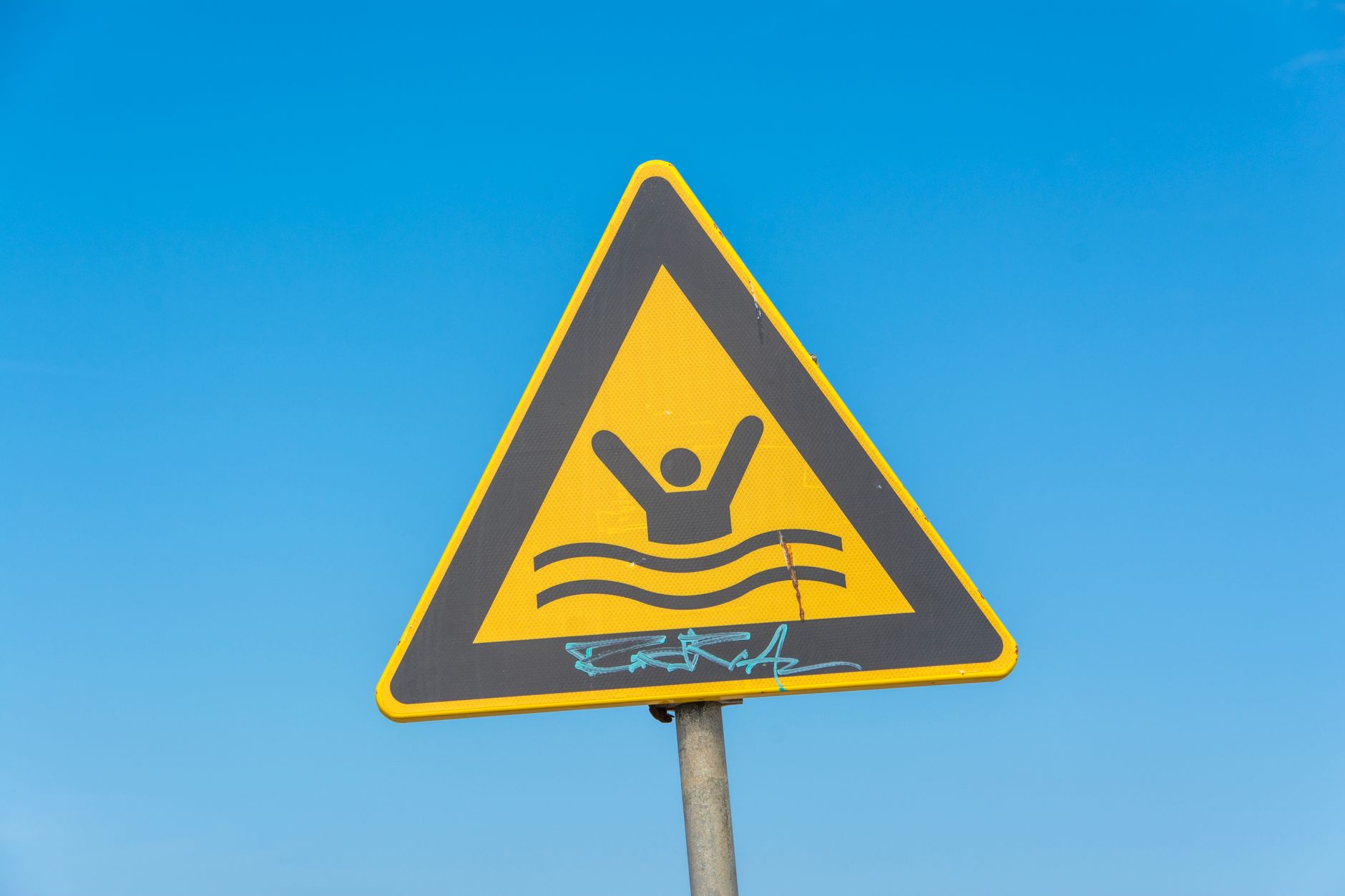
The deaths are not happening at supervised beaches. Most victims drowned in unsupervised freshwater spots — rivers and lakes where currents are unpredictable and lifeguards are absent. That detail separates this crisis from typical summer drowning statistics and points to the specific danger of heat-driven, spontaneous decisions to swim in unfamiliar water.
France Heatwave Drownings Surge as Temperatures Climb
France is enduring a heat event that has pushed temperatures toward and above 40°C in several regions. The Europe-wide heatwave of 2026 has already strained health systems across the continent, but France’s drowning toll stands out as an acute, fast-moving consequence of the heat. When air-conditioning is scarce and urban areas become unbearable, people improvise — and improvised swimming carries serious risk.
French authorities have warned the public repeatedly to avoid unsupervised waterways. Emergency services have been stretched thin responding to calls across multiple departments simultaneously. The sheer speed at which the toll climbed — from initial reports of around 20 to 40 within a short window — signals that warnings are not reaching everyone in time.
Who Is Most at Risk?
Drowning data across Europe consistently shows that young men, children, and older adults face the highest risk in open water. Heat adds a compounding factor: physical exhaustion sets in faster in extreme temperatures, and cold river water can cause sudden muscle cramps or shock when a person jumps in from scorching air. Alcohol consumption, which tends to rise during hot social gatherings outdoors, further raises drowning risk.
France’s geography also plays a role. The country has thousands of kilometers of rivers — the Loire, the Rhône, the Dordogne — many of which look calm on the surface but carry strong undercurrents, especially in summer when snowmelt and upstream water management create variable flows.
What Authorities Are Saying and Doing
French prefectures have issued local swimming bans on several river stretches and deployed additional rescue teams to high-traffic waterway areas. National civil safety officials urged the public to swim only at designated, supervised sites and to never swim alone. Children should wear life jackets near any open water, authorities stressed.
France’s national health agency has also escalated its heatwave alert level for multiple regions, activating emergency cooling centers and extending hours at public pools to give people a safer alternative to rivers and lakes. The tension is real: officials want to give people relief from the heat but must steer that relief away from deadly waterways.
A Broader Pattern Across Europe
France is not alone. Heatwave-related drowning spikes have been recorded in neighboring countries during previous extreme heat events, and 2026’s prolonged heat across the continent raises the risk everywhere. Water safety organizations have long noted that drowning prevention campaigns tend to focus on pool safety rather than open-water risk — a gap that becomes lethal when rivers become the default refuge during a heat emergency.
The situation echoes concerns raised by labor advocates around outdoor worker safety during heat events. Vulnerable workers and communities consistently bear the harshest consequences when heat protections fall short — a pattern playing out with tragic clarity in France right now.
Key Water Safety Rules for Extreme Heat
- Swim only at supervised locations with certified lifeguards on duty.
- Never swim alone, and always tell someone where you are going.
- Avoid alcohol before or during any water activity.
- Enter water gradually — jumping into cold water from extreme heat can cause thermal shock.
- Check local alerts; many French prefectures are posting daily swimming bans by department.
What Comes Next
Meteorologists forecast the intense heat over France to persist for several more days before any meaningful relief arrives. That means the drowning risk remains elevated through at least the end of June 2026. French officials have pledged to increase patrols along the most dangerous river stretches and expand public messaging, but enforcement at thousands of informal swimming spots across the country is practically impossible.
The coming days will test whether France’s emergency response — more lifeguards, louder warnings, accessible cool spaces — can bend the curve on heatwave deaths. The 40 who have already drowned are a stark reminder that extreme heat kills in ways that go well beyond heatstroke. Keeping people cool and keeping them alive are the same problem, and right now France is racing to solve both at once.