Iran has resumed attacks in the Strait of Hormuz, U.S. officials confirmed to Axios on Monday, July 7 — reigniting fears of a major disruption to global oil markets just weeks after a fragile period of reduced tension in the Persian Gulf.
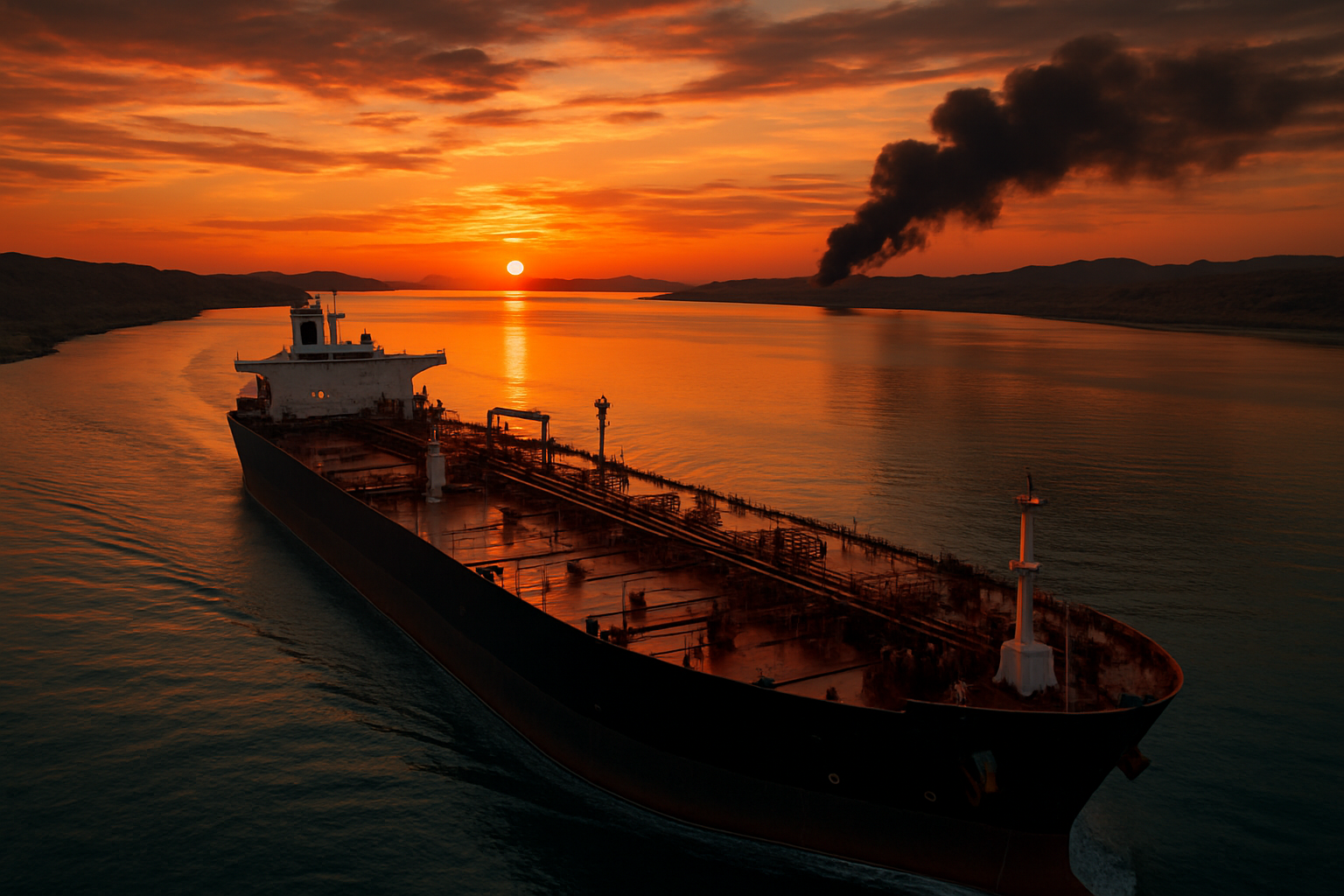
The non-obvious detail that makes this escalation particularly alarming: the Strait of Hormuz is the single transit point for roughly 20 percent of all oil traded worldwide. There is no viable alternative route for the supertankers that carry Gulf crude to Asia and Europe, meaning even limited harassment of shipping can spike energy prices globally within days.
What U.S. Officials Said About the Hormuz Incidents
American officials described the resumed Strait of Hormuz attacks without specifying the exact number of incidents or the vessels targeted, citing ongoing intelligence sensitivities. The disclosure came through Axios, which attributed the information directly to U.S. government sources briefed on the situation. No formal White House or Pentagon statement had been issued publicly as of Tuesday morning.
The timing is significant. Diplomatic back-channels between Washington and Tehran had shown tentative signs of activity earlier this year, and a pause in Iranian naval aggression had been noted by shipping industry monitors. The resumption signals that whatever informal de-escalation existed has now broken down.
Iran’s Playbook in the Persian Gulf
Iran’s Islamic Revolutionary Guard Corps Navy (IRGCN) has used the Strait of Hormuz as leverage during periods of diplomatic pressure for years. Tactics have included limpet mine attacks on tanker hulls, drone swarms directed at commercial vessels, seizures of foreign-flagged ships, and fast-boat harassment designed to force vessels to stop or divert.
The strait itself is only about 21 miles wide at its narrowest navigable point — a geographic chokepoint that gives Iran enormous coercive power relative to its conventional military strength. During previous escalation cycles, insurance premiums for vessels transiting the Gulf surged by hundreds of thousands of dollars per voyage, costs that eventually feed through to consumers at fuel pumps worldwide.
Global energy markets are already watching carefully. Brent crude reacted to the news, and U.S. military repositioning elsewhere — including a drawdown from Europe — could affect Washington’s capacity to respond rapidly to naval incidents in the region.
Shipping Industry on High Alert After Resumed Hostilities
The Joint War Committee, a Lloyd’s of London body that designates high-risk maritime zones, had already listed the Persian Gulf as a war-risk area. A fresh round of Strait of Hormuz attacks will almost certainly trigger new guidance to member insurers, raising the cost of coverage for tankers and cargo vessels transiting the region.
Major shipping firms — including those carrying liquefied natural gas from Qatar, the world’s largest LNG exporter — route through the strait with no alternative. Qatar exports roughly 77 million tonnes of LNG annually, and any sustained Iran shipping threat would force buyers in Japan, South Korea, and Europe to scramble for spot-market supplies at premium prices.
Some carriers responded to earlier 2025 incidents by attempting longer routes around the Cape of Good Hope, but those detours add roughly two weeks to voyage times and significantly increase fuel and chartering costs — expenses that the global economy was already straining to absorb.
U.S. Military Presence and the Response Question
The U.S. Fifth Fleet, headquartered in Bahrain, is the primary American naval force responsible for Persian Gulf security. It has in the past deployed additional destroyers, carrier strike groups, and maritime patrol aircraft in response to Iranian aggression in the strait. Whether a similar surge is being prepared was not confirmed by officials as of this writing.
Regional partners, including the United Arab Emirates and Saudi Arabia, have their own interests in keeping the waterway open — both countries export enormous volumes of oil through Hormuz. Gulf Arab states have generally preferred quiet coordination with the U.S. over public confrontation with Tehran, a posture likely to be tested if attacks continue or intensify.
Iran, for its part, has historically framed its actions in the strait as defensive responses to what it describes as economic warfare — specifically, U.S.-led sanctions that have throttled its own oil exports. Tehran has not issued any public statement acknowledging the resumed attacks.
What Happens Next
The immediate pressure point is oil pricing. If the attacks continue through this week without a swift U.S. or allied deterrent response, energy traders will likely price in a sustained Iran shipping threat, pushing Brent crude higher. Asian buyers — already managing tight LNG inventories heading into autumn — will be the first to feel the squeeze.
Diplomatically, the escalation narrows whatever space remained for any renewed nuclear or sanctions talks between Washington and Tehran. Analysts tracking Persian Gulf security have warned for months that an Iranian return to Hormuz harassment would be the clearest signal that Tehran had chosen confrontation over negotiation as its near-term strategy.
For a deeper look at how authoritarian states use economic leverage as geopolitical currency, the pattern playing out in the Gulf fits a broader trend worth following. The next 72 hours — and whether the U.S. Fifth Fleet makes any visible move — will define how serious this new escalation becomes.