A new open-source project called Phantom Drive has drawn attention from privacy and security communities for a simple but clever trick: it turns an everyday USB flash drive into a device that hides an encrypted partition behind a decoy volume, revealing the hidden data only when the user creates a specific text file. The project was highlighted this week by Tom’s Hardware, which first reported on the tool’s design and availability.
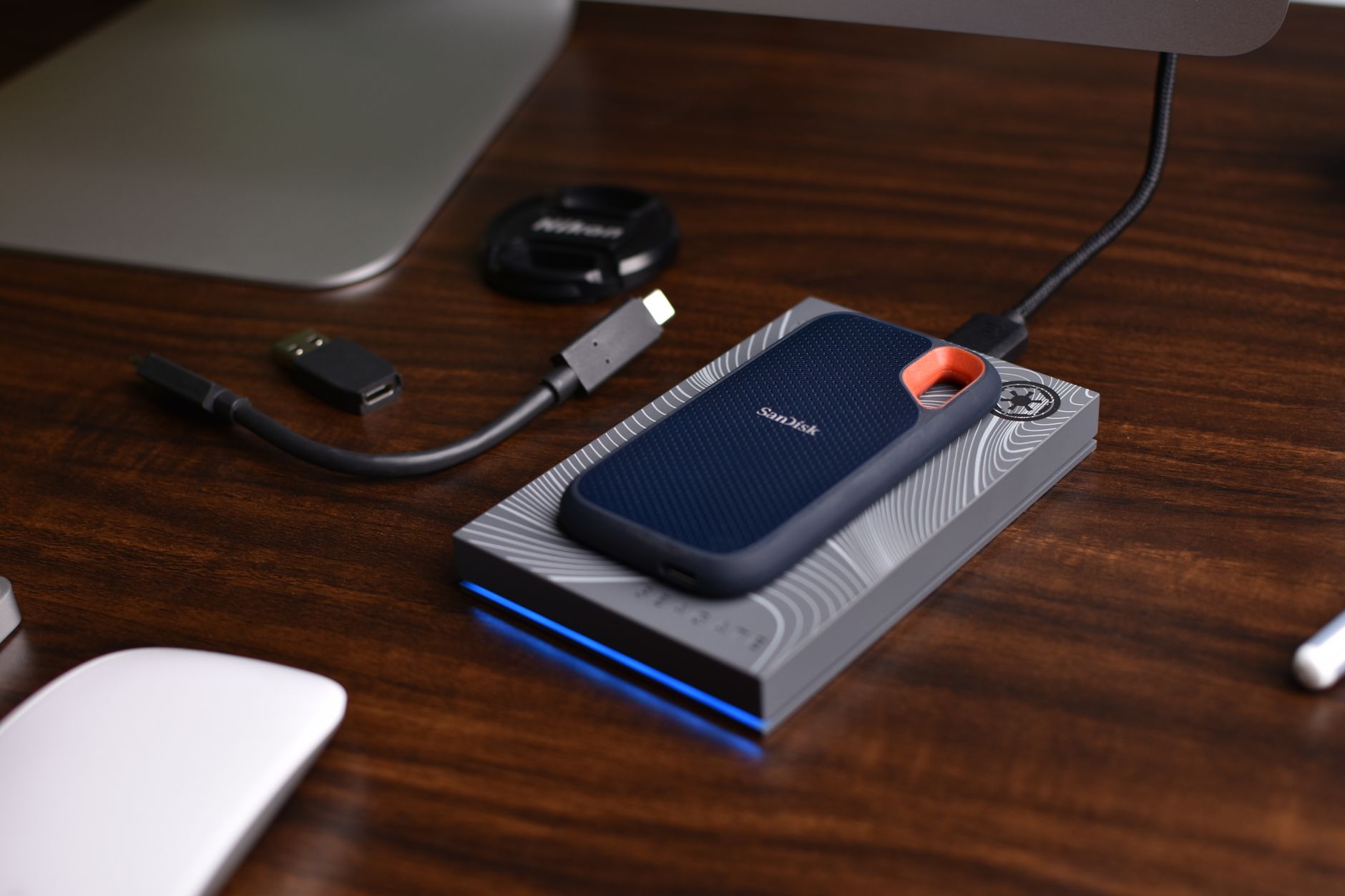
How Phantom Drive Works
On the surface, a USB stick running Phantom Drive behaves exactly like a normal 8GB flash drive. Plug it into a Windows, macOS, or Linux machine, and the operating system mounts a visible, unencrypted partition that can hold ordinary files — documents, photos, or anything else a user wants to keep in plain sight as a decoy.
The hidden functionality only activates when the user creates a text file with a specific name or content on that visible partition. This action acts as a trigger that unlocks a second, encrypted volume stored on the same physical drive. Without knowing the exact trigger, anyone inspecting the USB stick — whether a curious colleague, a border agent, or a thief — would see nothing more than a standard decoy drive with unremarkable contents.
Because the hidden partition does not appear in the device’s default file listing, there is no obvious indicator that additional storage exists. That absence of a visible clue is central to the tool’s design: it is meant to avoid raising suspicion in the first place, rather than simply making stored data hard to crack after someone already knows it is there.
Plausible Deniability, Not Just Encryption
Encrypted USB drives are nothing new. Commercial options with PIN pads, biometric unlocks, and hardware-based AES encryption have been on the market for years. What sets Phantom Drive apart is its emphasis on plausible deniability — the idea that a user can truthfully claim a drive contains nothing sensitive because, to any outside observer, it doesn’t appear to.
This concept borrows from long-standing techniques in disk encryption tools such as VeraCrypt, which lets users create hidden encrypted volumes nested inside an outer encrypted container. Phantom Drive applies a similar philosophy but packages it specifically for USB hardware and simplifies the unlock mechanism to something as mundane as creating a text file, rather than requiring specialized software to mount a hidden volume.
The design reflects a broader shift in consumer security tools: rather than just making data harder to break into, developers are increasingly building tools that make sensitive data harder to detect at all.
Who It’s For
Tools like Phantom Drive tend to appeal to a specific set of users: journalists working with confidential sources, activists and researchers operating in environments with limited digital privacy protections, security researchers testing forensic tools, and everyday users who simply want an extra layer of protection for financial records or personal documents.
Because the project is open source, its code can be independently audited rather than relying on a vendor’s unverified security claims — a meaningful distinction in a category where proprietary “secure” USB drives have occasionally been found to contain weak or backdoored encryption implementations. Open development also means the underlying trigger mechanism and encryption method are publicly documented, letting security researchers stress-test the approach rather than take it on faith.
Limitations Worth Noting
Security researchers who have looked at similar hidden-volume schemes caution that plausible deniability tools are not foolproof. Forensic analysts with access to specialized imaging software can sometimes detect anomalies in a drive’s storage allocation that hint at unused or hidden space, even if the hidden partition’s contents remain encrypted and unreadable without the correct key.
Users are also urged to consider operational security beyond the drive itself: metadata, browser history, cloud backups, or careless conversations can undermine the protection a hidden partition provides. As with any encryption tool, Phantom Drive protects data at rest on the device, not the broader digital footprint surrounding its use.
Additionally, because the project is community-maintained rather than backed by a commercial vendor, users take on responsibility for verifying builds, keeping the tool updated, and understanding exactly how the encryption is implemented before trusting it with sensitive material.
Part of a Growing Trend
Phantom Drive arrives amid heightened public interest in digital privacy tools, from encrypted messaging apps to hardened operating systems. Open-source hardware and firmware projects in particular have gained traction as users look for alternatives to commercial products whose security claims can be difficult to independently verify.
For now, Phantom Drive remains a niche, community-driven project rather than a mainstream consumer product. But its approach — hiding sensitive data in plain sight rather than merely locking it behind a password — illustrates how privacy-focused developers are rethinking the basic assumptions behind portable storage security.