Scott Galloway, the NYU Stern marketing professor and co-host of the “Pivot” and “Prof G” podcasts, says SpaceX’s soaring private valuation has become disconnected from the company’s underlying financial performance. Galloway made the comments in remarks reported by Business Insider, arguing that Elon Musk’s rocket and satellite company has become the latest example of investors paying a premium for narrative rather than numbers.
SpaceX, which is privately held, does not publicly disclose detailed financial statements. But recent employee and investor share sales have valued the company at several hundred billion dollars, a figure that has climbed steadily over the past two years as demand for shares from institutional investors and wealthy individuals has outpaced the limited supply available in periodic tender offers.
What Galloway Argues
Galloway’s core critique is not that SpaceX lacks real businesses — Starlink’s satellite internet service and the company’s dominant position in commercial launch are both genuine, revenue-generating operations. Instead, he contends that the price investors are willing to pay has outrun what those businesses can realistically justify, especially once execution risk on unproven ventures like Starship and Mars colonization is factored in.
Galloway has previously argued that markets tend to conflate a charismatic founder with a sound investment thesis, a dynamic he says has repeatedly inflated valuations for Musk-led companies, including Tesla.
He has drawn comparisons to prior periods of investor exuberance, suggesting that SpaceX’s valuation reflects a broader pattern in private markets where late-stage startups with dominant narratives command prices that would be difficult to sustain if the shares were subjected to public market scrutiny and disclosure requirements.
Why SpaceX’s Valuation Keeps Climbing
Despite the skepticism, SpaceX’s valuation has continued to rise through 2025 and into 2026, driven by several factors:
- Starlink growth: The satellite broadband division has expanded rapidly, adding subscribers globally and securing government and military contracts.
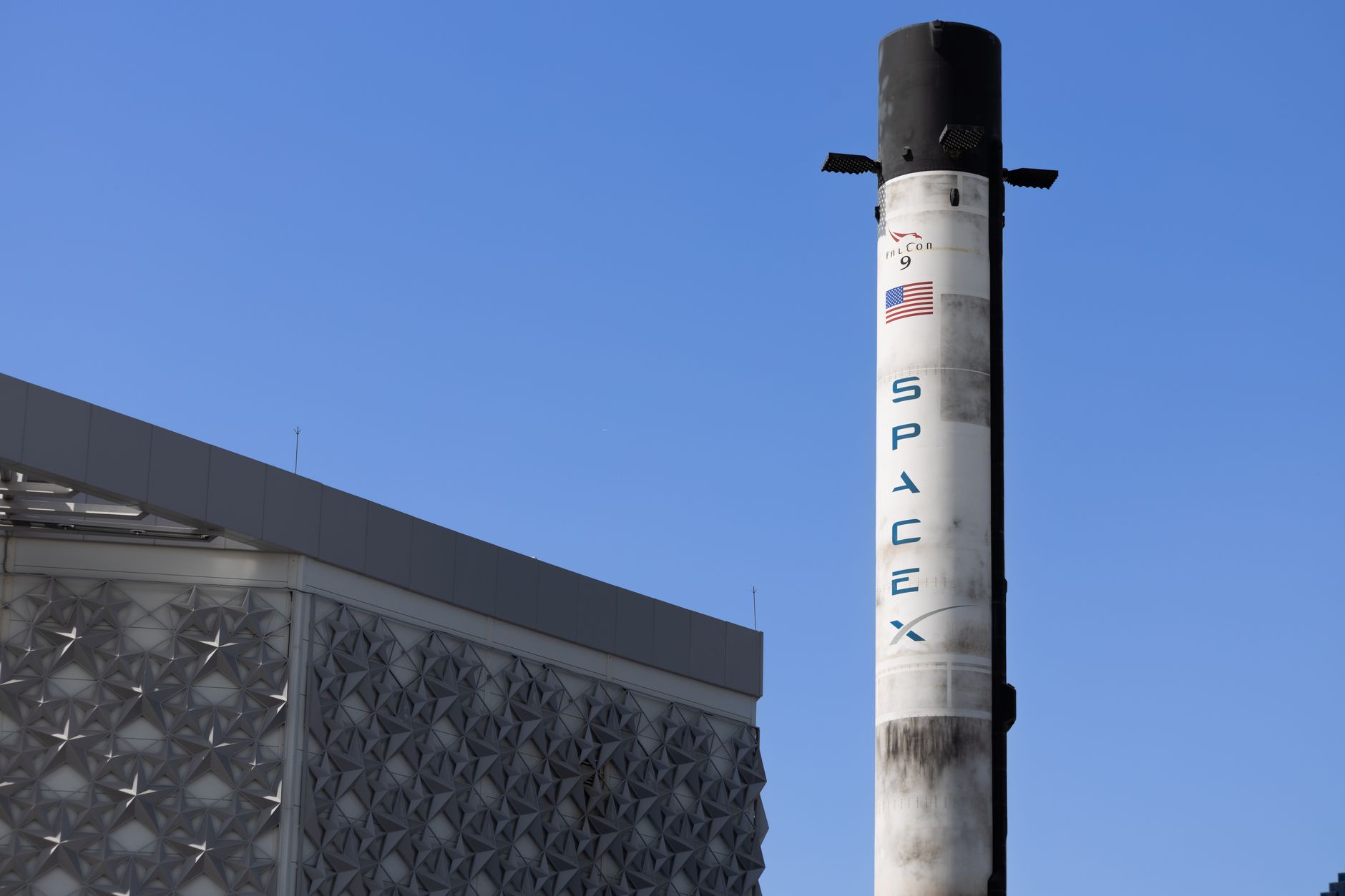
- Launch dominance: SpaceX’s Falcon 9 remains the workhorse of the global commercial launch market, with reusability giving it a cost advantage over competitors.
- Starship progress: Continued test flights of the next-generation Starship vehicle, intended for deep-space missions and eventually lunar and Mars trips, have kept investor attention on the company’s long-term ambitions.
- Limited supply of shares: Because SpaceX remains private, access to equity is tightly controlled, and scarcity has historically pushed up prices in periodic employee tender offers.
Some analysts argue that this scarcity effect, more than fundamentals, explains why SpaceX shares change hands at such elevated multiples. Because there is no public market forcing continuous price discovery, valuations are effectively set by whatever price a small pool of buyers and sellers agree to in each tender round.
Not the First Warning
Galloway is not alone in questioning whether SpaceX’s price tag is sustainable. Other market commentators have pointed to the company’s reliance on Musk’s continued involvement and reputation, noting that his attention is also split across Tesla, X, xAI, and Neuralink. Any of those ventures absorbing more of his time — or generating negative headlines — could weigh on sentiment toward SpaceX shares, even though the businesses are legally and financially separate.
SpaceX has not directly responded to Galloway’s specific comments. The company has generally pointed to its launch cadence, Starlink subscriber growth, and government contract wins, including work with NASA and the Department of Defense, as evidence that its business fundamentals support continued investment.
What It Means for Investors
Because SpaceX remains private, most retail investors have no direct way to buy shares, limiting the practical impact of the overvaluation debate for now. But the conversation matters for a few reasons. It shapes expectations for a potential future public offering, which Musk has periodically floated for Starlink specifically rather than SpaceX as a whole. It also feeds into broader questions about how private markets price high-profile startups when public disclosure and short-selling — mechanisms that typically check runaway valuations — are largely absent.
For now, SpaceX shares continue to trade in secondary markets at valuations that make it one of the most valuable private companies in the world, alongside firms like OpenAI and ByteDance. Whether Galloway’s skepticism proves prescient will likely depend on how quickly Starship reaches commercial viability and whether Starlink’s growth can continue at its current pace without a slowdown in subscriber additions or increased competition from rivals such as Amazon’s Kuiper network.
The debate over SpaceX’s valuation is part of a broader reckoning happening across private markets, where a handful of AI and space companies have absorbed enormous investor interest even as questions persist about how realistic their growth assumptions are. Business Insider first reported Galloway’s comments.