A passenger restrained with duct tape and zip ties aboard an American Airlines flight last week has lost his position at the Arizona brokerage where he had worked for nearly three decades, and faces state criminal charges with a federal investigation still open.
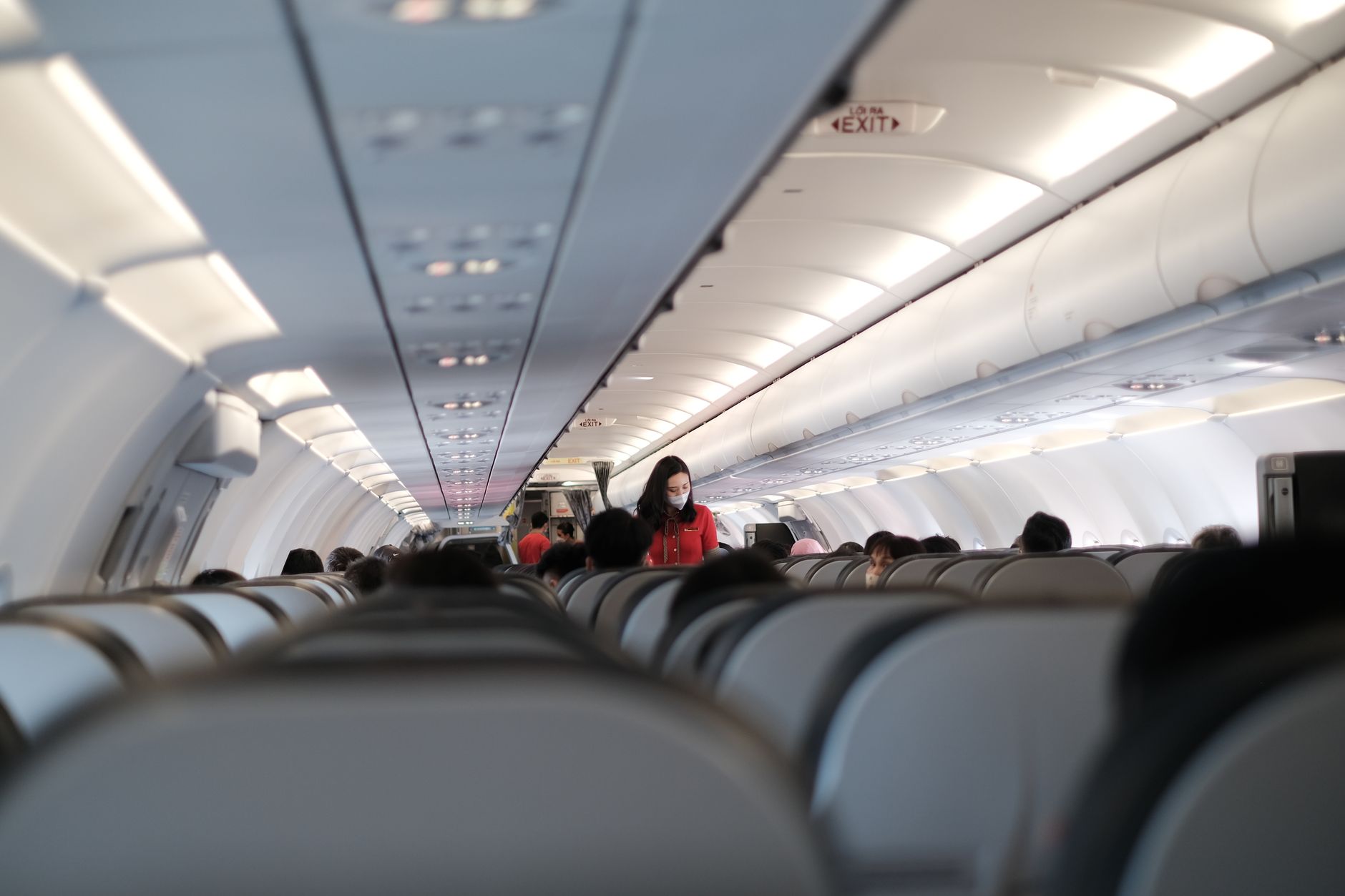
American Airlines flight 618 left Dallas Fort Worth International Airport bound for Newark Liberty International on September 3 and instead landed at Baltimore/Washington International Thurgood Marshall Airport around 10:15 p.m., after the crew reported a passenger disturbance. Arthur Lundeen, 67, of Tucson, had by then been secured to his first-class seat with duct tape, his hands bound with zip ties.
What happened on board
According to accounts from the flight, Lundeen allegedly directed racist remarks at crew members and became physically aggressive toward other passengers. Restraining a passenger is a last resort in cabin crew training, used when someone presents a continuing physical threat and de-escalation has failed. Airlines carry restraint kits for the purpose; duct tape is what crews reach for when the situation outruns the kit.
The diversion itself is a significant decision. Landing a transcontinental flight at an unscheduled airport means dumping or burning fuel to reach landing weight, coordinating with air traffic control and law enforcement, and stranding everyone else on board. Crews do not divert over rudeness.
The charges
Lundeen was charged with disorderly conduct and second-degree assault, both Maryland state offenses, since the aircraft landed in that jurisdiction. The FBI’s Baltimore field office is separately investigating and consulting with the US Attorney’s Office about whether federal charges will follow.
Federal exposure in these cases is considerably more serious than the state charges suggest. Interference with a flight crew is a federal felony carrying a potential prison term, and it applies to conduct that intimidates or physically threatens crew members performing their duties. The Federal Aviation Administration can also pursue civil penalties independently of any criminal case, with fines reaching $43,658 per violation – and a single incident routinely generates several.
The job
Lundeen had worked in Tucson real estate since 1997. His LinkedIn profile listed him as an associate broker and realtor at Long Realty Company, and as a vice president member of the firm’s executive council.
The firm told Newsweek it had “promptly ended its affiliation” with Lundeen after learning of the incident – the standard course for a brokerage whose agents carry the company name into every transaction. Real estate licensing adds a second layer of consequence: state regulators can act on convictions independently of any employer, and assault charges are the kind that trigger a review.
Why these incidents still happen
Unruly passenger reports spiked to unprecedented levels during the pandemic years and have since settled well above where they sat in the 2010s. The FAA’s response has been a zero-tolerance policy that eliminated warning letters in favor of immediate enforcement, and the agency has referred hundreds of the worst cases to the FBI for criminal prosecution.
Aviation safety specialists point to a consistent set of contributors: alcohol served before and during flights, tighter cabins and longer boarding times, and a widespread misreading of what crew authority means. Cabin crew are not customer service staff who can be argued with; in flight, their instructions carry the force of federal law, and refusing them is itself an offense.
What comes next
The state case proceeds in Maryland courts. Whether federal charges follow depends on the US Attorney’s Office, which will weigh the crew’s account, passenger statements and any video from the cabin – and in incidents of this profile, video is nearly always available.
American Airlines, like every major US carrier, maintains an internal no-fly list for passengers involved in serious cabin incidents. Those lists are not shared between airlines, a gap Congress has examined more than once without resolving. For now, the practical outcome for Lundeen is the one that arrived fastest: the charges are pending, but the career ended within days.
What crews are trained to do
Restraint is the final step in a sequence cabin crew rehearse, and each stage exists to avoid the next. Crews are trained to isolate a disruptive passenger from others, to move them if a seat change defuses the situation, and to issue a written notice to cease – a card that states plainly that the behavior is a federal offense and that the flight may be diverted. Only when someone continues to present a physical danger does the crew restrain them, usually with the help of passengers who volunteer.
By the time duct tape appears in a photograph, several of those steps have already failed. That is worth stating, because images of a restrained passenger circulate widely without the twenty minutes that preceded them, and the visual invites arguments about proportionality that the crew had already worked through in real time, at altitude, with a cabin full of people to protect.