A newly introduced federal bill would require internet service providers, domain name system (DNS) resolvers, and virtual private network (VPN) companies to block access to foreign websites accused of hosting pirated movies, music, and software. The legislation, unveiled this week in Congress, marks one of the most sweeping attempts yet to bring site-blocking enforcement to the United States, a tool already used in dozens of other countries.
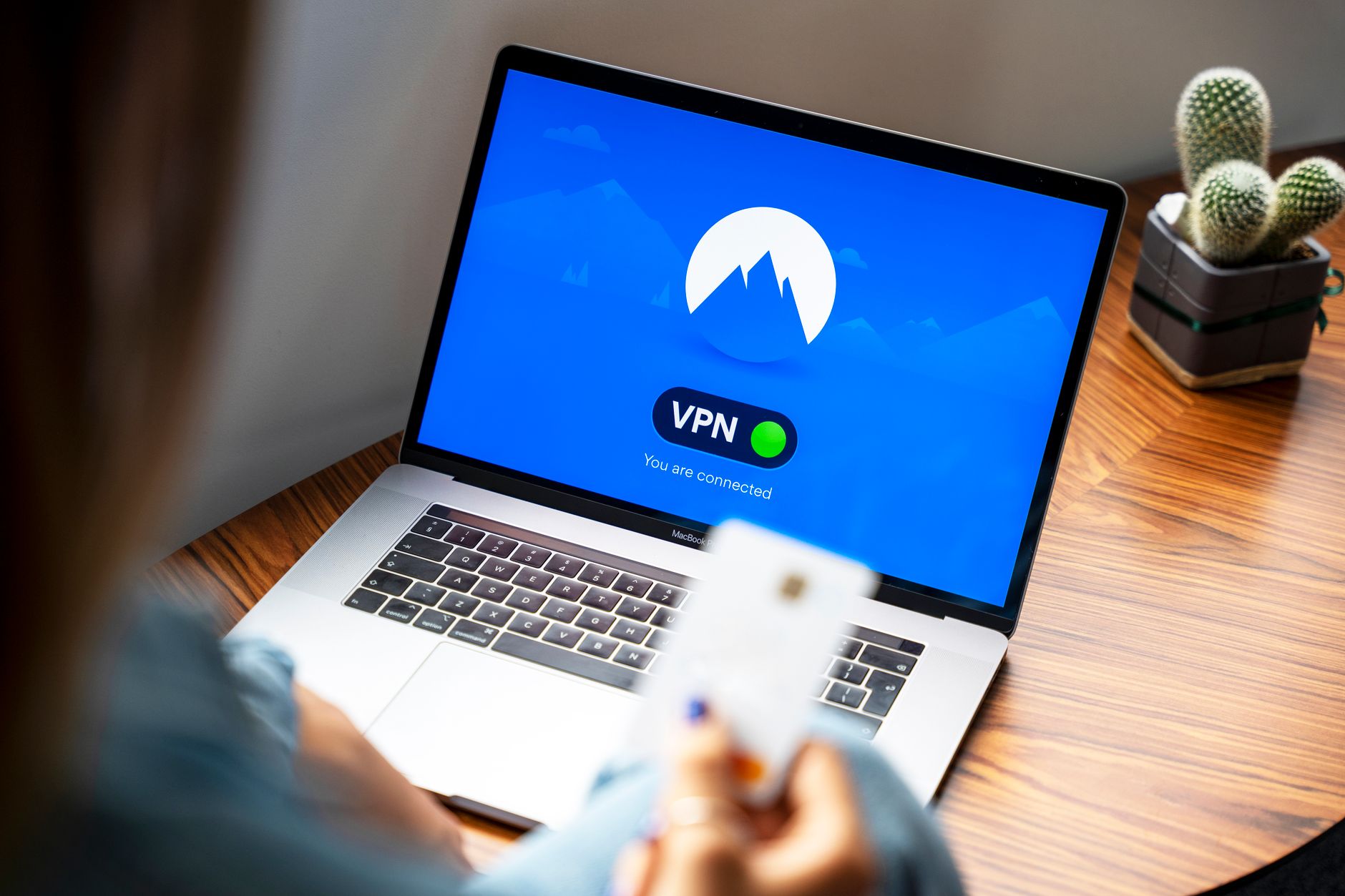
Under the proposal, copyright holders would be able to petition a court for an order directing network providers to cut off access to specific domains found to be substantially dedicated to infringing activity. If enacted, the requirement would extend beyond traditional ISPs to companies offering DNS resolution and VPN services, technologies many users rely on for privacy, security, and, in some cases, circumventing existing geographic content restrictions.
What the Bill Would Require
The measure is modeled in part on site-blocking regimes already in place in the United Kingdom, Australia, and much of the European Union, where courts can order ISPs to block infringing domains without lengthy litigation against the underlying site operators, many of which are based overseas and outside the reach of US courts.
- Courts could issue blocking orders against domains “primarily designed” for piracy.
- ISPs would be required to prevent subscriber access to named domains.
- DNS providers would need to stop resolving blocked domain names.
- VPN services would be required to block or filter access to the same sites for US-based users.
Industry groups representing film studios and music labels have pushed for this kind of authority for years, arguing that existing enforcement tools, largely limited to takedown notices and lawsuits against site operators, have failed to keep pace with piracy operations that simply relaunch under new domains after being shut down.
Industry Support, Civil Liberties Pushback
Entertainment industry trade associations have welcomed the bill, framing it as a necessary update to copyright enforcement that brings the US in line with allied nations. Studios have long argued that offshore piracy sites cost the industry billions annually in lost revenue and undermine legitimate streaming services.
Digital rights groups, however, warn that the bill risks becoming a broader censorship tool, arguing that blocking orders are difficult to reverse, prone to overreach, and technically porous, since determined users can often route around blocks with alternative DNS servers or VPNs, the very technologies the bill also targets.
Critics also note that VPN providers, many of which operate specifically to protect user privacy and resist government-mandated filtering, would face a direct conflict between complying with US law and maintaining the no-logging, no-censorship promises that define their business model. Some smaller VPN operators have suggested they could simply exit the US market or restructure their US operations rather than build country-specific blocking infrastructure.
Technical and Legal Hurdles
Engineers and telecom policy analysts have raised doubts about how effectively DNS-level blocking can work in practice. Because DNS blocking only prevents a specific method of reaching a website, users can switch to alternative resolvers, encrypted DNS services, or VPNs to bypass restrictions almost immediately, potentially undermining the law’s core objective while still burdening providers with new compliance costs.
There are also open legal questions about how blocking orders would be enforced against DNS providers and VPN companies headquartered outside the United States, and whether the requirements could run afoul of First Amendment protections against compelled restriction of speech, an argument that has surfaced in past fights over internet regulation, including recent disputes over how far US and European regulators can reach into platform operations, as seen in the ongoing effort by American officials to back X in its EU fine fight.
What Happens Next
The bill must clear committee review before facing a floor vote in either chamber, a process that could take months given the complexity of the technical requirements and the range of stakeholders, from Hollywood studios to telecom carriers to privacy advocates, expected to weigh in during hearings.
Lawmakers supporting the bill say they are open to modifying enforcement mechanisms to address technical concerns, while opponents are preparing coalition efforts similar to those that helped defeat the Stop Online Piracy Act (SOPA) in 2012, when the entertainment industry last pushed for comparable site-blocking authority. Whether this new proposal follows the same fate, advances with major amendments, or breaks new ground for internet regulation in the US remains to be seen as committee schedules are finalized in the coming weeks.
For now, VPN providers, ISPs, and DNS operators are watching closely, aware that the outcome could reshape how internet infrastructure companies are expected to police content at the network level, a responsibility most have historically avoided.