Chinese electric vehicle makers have pushed ultra-fast charging into the mainstream, with several models now able to add roughly 70% battery capacity in under five minutes, according to manufacturer specifications and industry trackers. In the United States, average public fast-charging sessions still take 20 to 40 minutes, a gap that engineers and policy analysts say reflects diverging investments in batteries, chargers, and grid infrastructure.
How China Closed the Gap
The acceleration traces back to 2025, when BYD unveiled its “Super e-Platform” architecture, claiming a charging rate of roughly 1,000 kilometers of range added in five minutes under ideal conditions using a 1,000-volt system paired with megawatt-capable chargers. Other Chinese manufacturers, including Zeekr, Xpeng, and CATL-backed battery suppliers, have since released competing platforms built around 800-volt to 1,000-volt architectures, silicon-carbide power electronics, and high-nickel or fast-charging lithium iron phosphate cells engineered specifically for rapid heat dissipation.
Equally important has been China’s charger buildout. State-backed grid operators and private charging networks have installed thousands of high-power stations capable of delivering 500 kilowatts or more, concentrated in major cities and along intercity highway corridors. China’s National Energy Administration has reported rapid growth in public charging infrastructure over the past two years, with fast chargers increasingly common in urban centers.
Why the US Has Fallen Behind
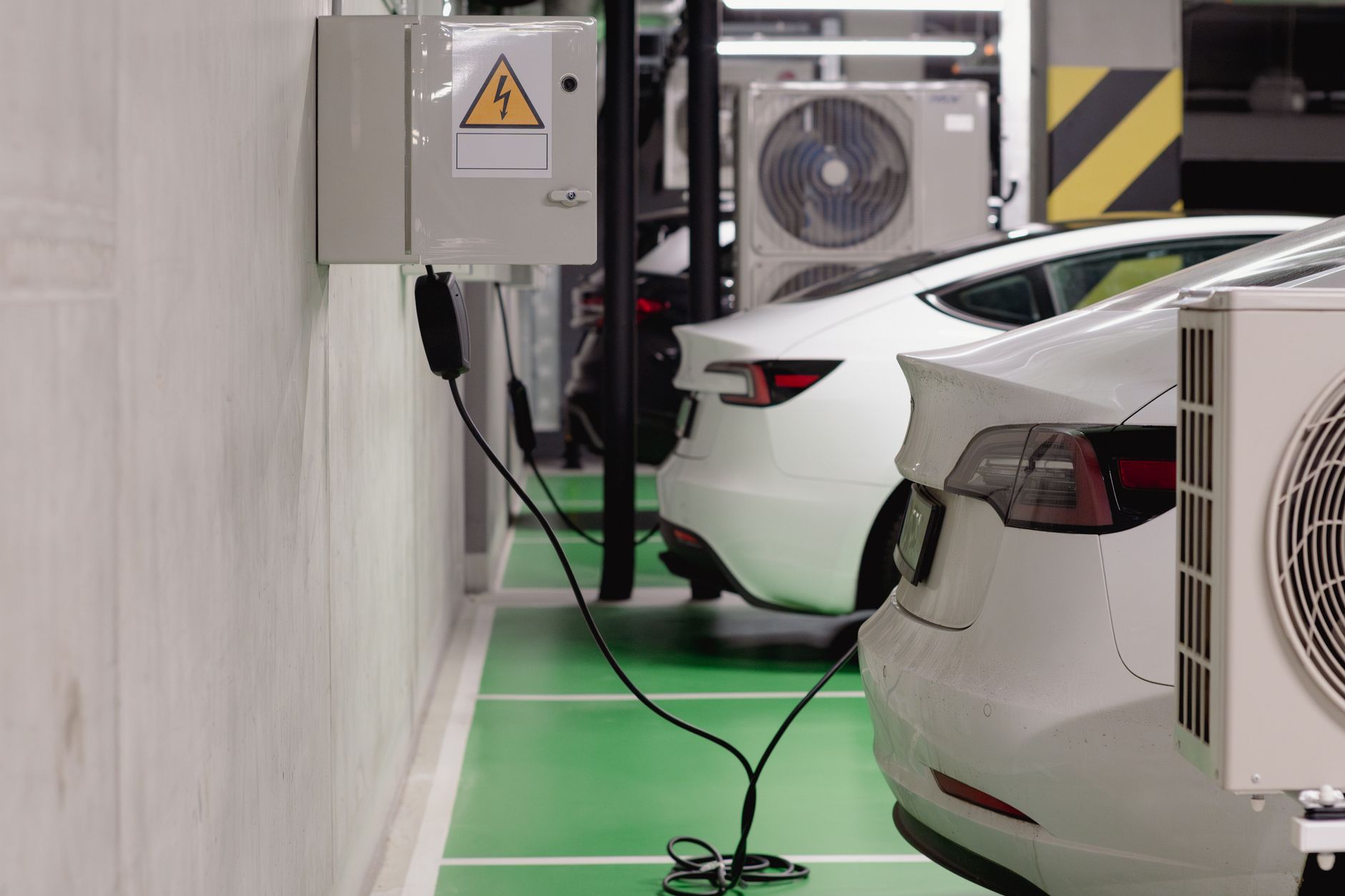
US charging networks, by contrast, remain dominated by 150- to 350-kilowatt stations, and many older Level 3 chargers cap out well below that. Tesla’s Supercharger network, now the de facto standard after most automakers adopted the North American Charging Standard (NACS), has led domestic deployment, but peak charging speeds on most non-Tesla vehicles sold in the US still fall short of what Chinese buyers can access.
Analysts point to several structural reasons for the divide:
- Grid capacity: Ultra-fast charging stations require substantial local electrical infrastructure upgrades, which US utilities have been slower to fund and permit compared with state-directed buildouts in China.
- Battery chemistry lag: Many US-market EVs still rely on 400-volt architectures, which cannot safely support the charging rates enabled by newer 800-volt-plus platforms.
- Fragmented standards: The years-long transition between CCS and NACS connectors slowed coordinated investment in next-generation charging hardware.
- Policy uncertainty: Federal EV incentive programs and charging infrastructure grants have faced funding delays and shifting priorities, complicating long-term planning for network operators.
Industry and Consumer Impact
For US drivers, the practical effect is longer stops on road trips and less flexibility for those without home charging access. Automakers selling in both markets, including Ford, General Motors, and Hyundai, have signaled plans to introduce faster-charging platforms domestically, but rollout timelines generally trail Chinese counterparts by one to three years.
“The battery and power electronics technology exists globally, but deployment speed depends on who is willing to build the grid infrastructure to support it,” one battery industry analyst told trade publications covering the sector.
The charging gap is part of a broader pattern in which Chinese manufacturers have moved quickly to scale advanced EV hardware, similar to how domestic supply chains have given Chinese firms an edge in battery production and semiconductor-adjacent components — a dynamic that has also drawn scrutiny in cases such as reports of diverted defense-grade parts reaching China through Hong Kong.
What Comes Next
US charging operators, including EVgo and Electrify America, have announced plans to expand high-power charging corridors, and several states have allocated federal infrastructure funds toward upgrading grid connections at charging hubs. However, most of those projects remain in early construction phases, with completion dates extending into 2027 and beyond.
The financing and rollout of EV infrastructure also intersects with broader economic pressures facing American consumers. Just as mortgage rates topping 7% have strained household budgets, rising costs for grid upgrades and charging equipment could slow the pace at which utilities and private operators are willing to invest without additional public funding.
For now, the charging speed disparity underscores a wider competitive dynamic between the world’s two largest EV markets. China’s combination of centralized infrastructure planning, aggressive battery R&D, and dense urban charging networks has allowed manufacturers to bring ultra-fast charging to a broad swath of mainstream vehicles rather than limiting it to premium models. Whether US automakers and utilities can close that gap will likely shape consumer EV adoption rates through the remainder of the decade.
Key Takeaways
- Leading Chinese EV platforms now offer charging rates that can restore significant range in under five minutes, per manufacturer claims.
- US public charging remains slower on average, limited by 400-volt vehicle architectures and lower-power station hardware.
- Grid capacity constraints and fragmented charging standards have slowed comparable US infrastructure investment.
- US automakers and charging networks have announced faster-charging initiatives, but most upgrades remain years from completion.