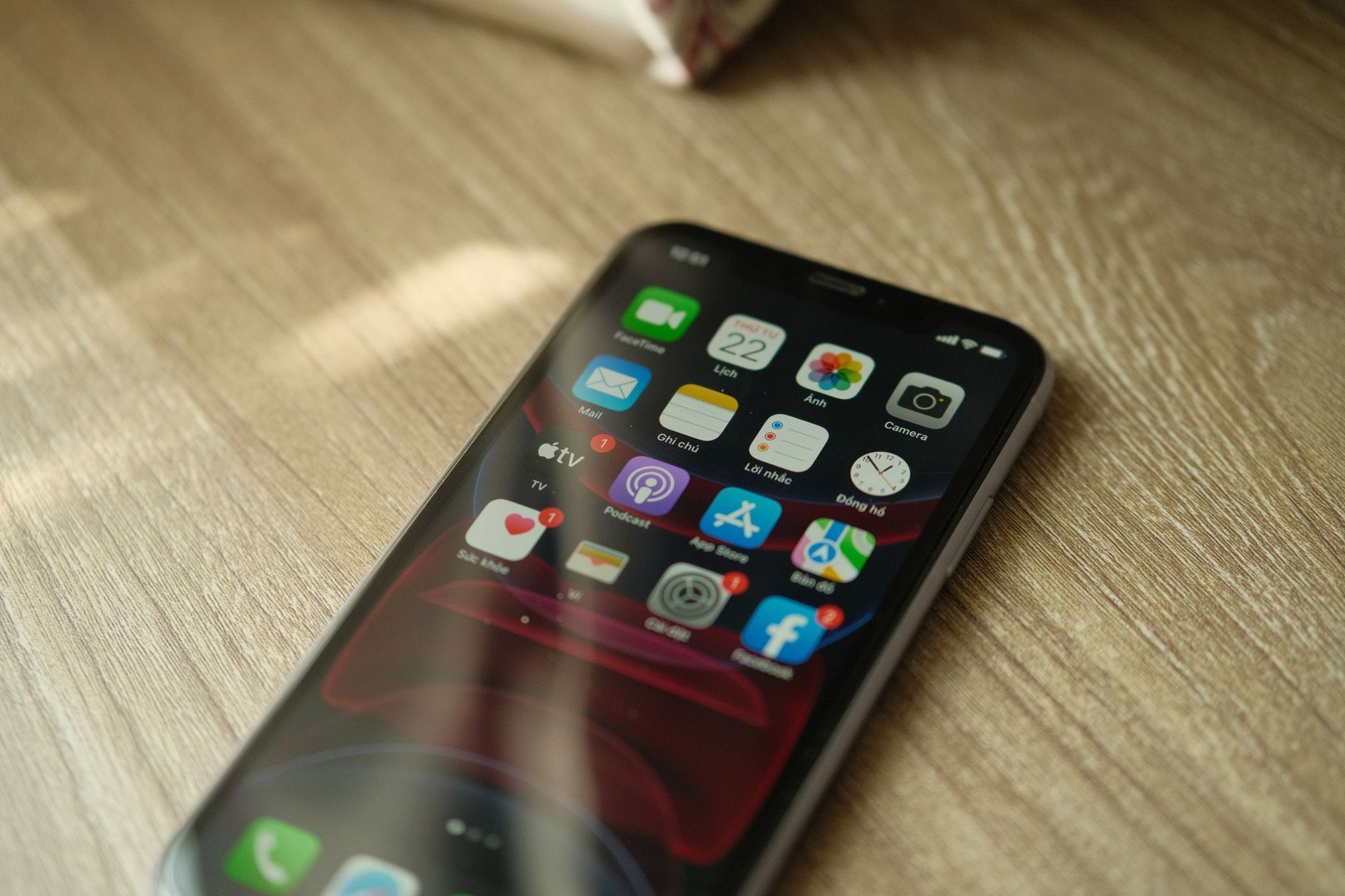
Apple’s senior vice president of hardware engineering, John Ternus, said in a recent interview that he finds it uncomfortable to see customers applying screen protectors to their iPhones, arguing the devices already ship with glass durable enough to go without one. The remark, made during a discussion about the company’s display engineering, quickly spread across technology forums and social media this week.
Ternus, who oversees the design and engineering of Apple’s hardware lineup, has been with the company since 2001 and now ranks among its most senior product executives. His comments touch on a long-running tension between Apple’s marketing of its display technology and the persistent consumer habit of covering that same technology with an extra layer of film or tempered glass.
What Ternus Said
According to accounts of the interview circulating online, Ternus described a visceral reaction to seeing screen protectors on iPhones, comparing it to watching someone cover up a carefully engineered surface with an unnecessary add-on. He pointed to years of investment in Apple’s Ceramic Shield technology, developed with glassmaker Corning, as the reason protectors are largely redundant on modern iPhones.
“We put so much work into making that front surface as durable and scratch-resistant as possible. Seeing it covered up makes my skin crawl,” Ternus reportedly said, according to summaries of the interview shared by technology outlets.
Apple has not issued an official statement expanding on or clarifying the remarks, and the company’s own accessories store continues to sell official screen protectors for iPhone and iPad, a fact quickly noted by critics of Ternus’s comment.
Ceramic Shield’s Track Record
Apple introduced Ceramic Shield with the iPhone 12 lineup in 2020, describing it as a ceramic-infused glass formula that improved drop performance by up to four times compared with earlier generations. The company has continued refining the material with each subsequent iPhone generation, and marketing materials for recent models tout improved scratch resistance alongside drop protection.
Independent durability tests, including drop and scratch trials published by repair and review outlets, have generally supported Apple’s drop-resistance claims while showing more mixed results on scratch resistance compared with sapphire crystal or dedicated tempered-glass protectors. Reviewers have repeatedly found that while Ceramic Shield resists shattering from falls reasonably well, fine surface scratches from grit, sand, or metal objects such as keys can still appear over time.
Why Consumers Still Buy Protectors
Despite Apple’s confidence in its glass formula, the accessories market for screen protectors remains large, driven by a mix of habit, resale-value concerns, and simple risk aversion. Many buyers apply a protector as a low-cost insurance policy, reasoning that a five-to-twenty-dollar film or glass layer is far cheaper to replace than a cracked or scratched display, which can cost well over a hundred dollars to repair even with AppleCare coverage.
- Resale value: A pristine screen typically fetches a higher trade-in or resale price.
- Cost asymmetry: Protectors are inexpensive compared with out-of-warranty screen repairs.
- Peace of mind: Users often prioritize avoiding visible wear over aesthetic preferences.
Repair technicians and secondhand device resellers have generally encouraged the use of protectors, noting that even durable glass formulations show micro-scratches after months of pocket and bag storage alongside keys, coins, and sand.
Industry and Public Reaction
Reaction to Ternus’s comments has been mixed. Some technology commentators sided with the executive, arguing that Apple’s continued investment in Ceramic Shield justifies skipping a protector for most everyday use cases. Others pushed back, pointing out that Apple’s own retail stores and online shop continue to offer official screen protectors, and that third-party accessory makers such as ZAGG, Spigen, and Belkin report screen protectors remain among the best-selling smartphone accessories worldwide.
Consumer advocates have also noted that durability claims made in controlled testing environments do not always reflect years of real-world wear, particularly for users who do not replace their phones annually. Ternus’s remarks arrive at a moment when smartphone makers broadly are emphasizing sustainability and longer device lifespans, a trend that could make protecting the display against long-term scratching more relevant, not less.
What It Means for iPhone Owners
For now, Apple has not changed its accessory lineup or marketing in response to the comments, and screen protectors remain widely available through both Apple and third-party retailers. Ternus’s remarks appear to reflect a personal preference rooted in confidence in the engineering behind Ceramic Shield rather than a shift in company policy.
Consumers weighing whether to use a protector are likely to continue making that decision based on individual risk tolerance, resale plans, and how long they intend to keep their device, factors that no single executive’s comment is likely to change in the near term.