The US State Department has approved a proposed foreign military sale of air defense systems and munitions to Ukraine valued at approximately $2.68 billion, according to a notification submitted to Congress on September 19, 2026. The package, which still requires a congressional review period before final approval, includes air defense interceptors, radar components, and associated equipment intended to strengthen Ukraine’s ability to intercept Russian missiles and drones.
The announcement comes as Russia has escalated aerial attacks on Ukrainian cities in recent weeks, targeting energy infrastructure and residential areas ahead of the winter heating season. Ukrainian officials have repeatedly warned that gaps in air defense coverage leave civilians and critical infrastructure vulnerable to sustained bombardment.
What the Deal Includes
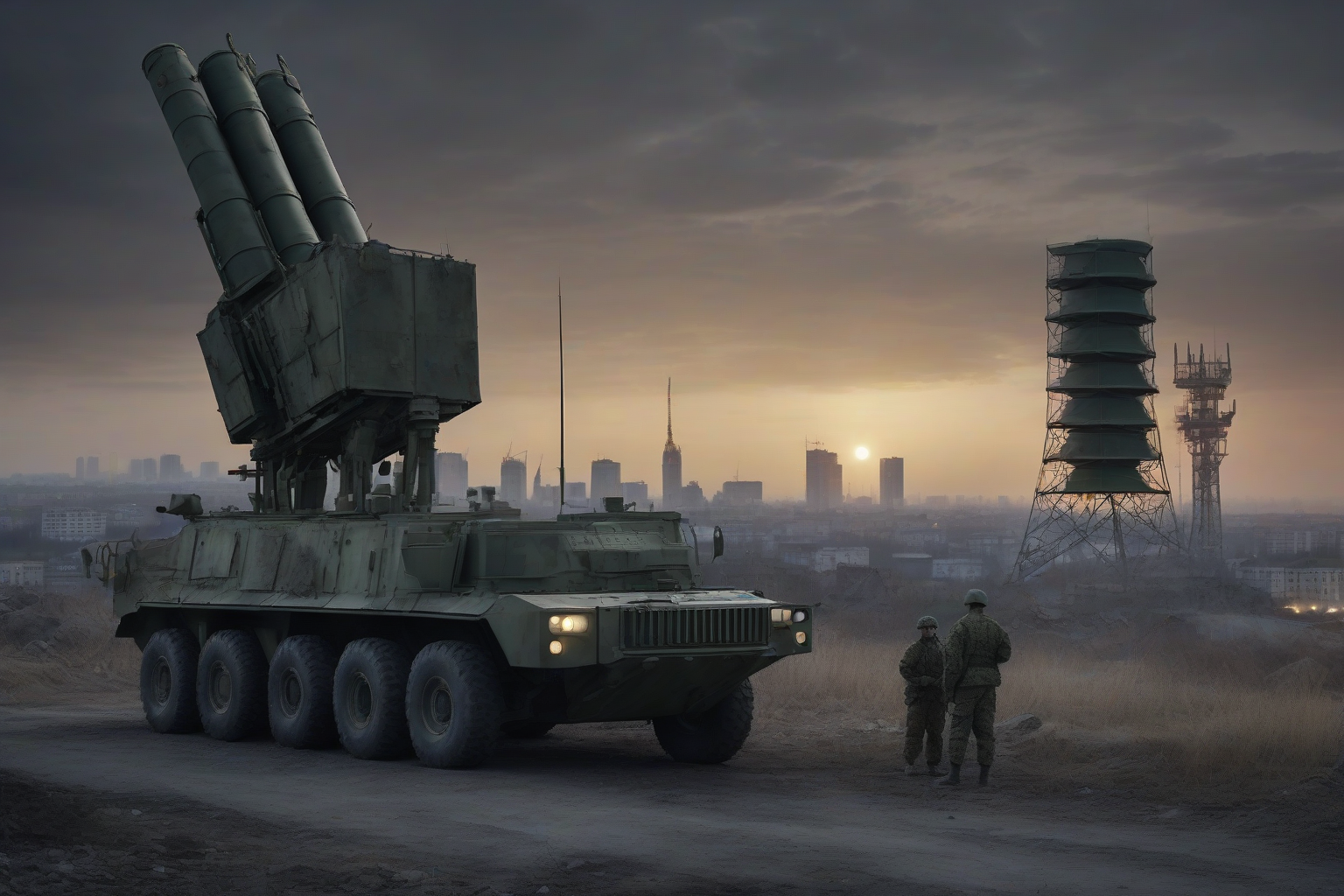
According to the Defense Security Cooperation Agency, the sale encompasses a mix of interceptor missiles, launch systems, and technical support services designed to sustain and expand Ukraine’s existing air defense architecture. While the agency did not specify exact system types in its public notification, officials familiar with recent US-Ukraine defense packages say such sales typically include components compatible with NASAMS and Patriot batteries already deployed by Ukrainian forces.
The State Department’s approval represents a government-to-government arrangement under the Foreign Military Sales program, meaning the transaction is distinct from direct US military aid drawn from Pentagon stockpiles. Under this structure, Ukraine or a designated financing partner would cover the cost of the equipment, though the exact funding mechanism has not been publicly detailed.
A State Department spokesperson said the sale “supports the foreign policy and national security of the United States by helping to improve the security of a partner country that continues to be an important force for political stability and economic progress in Europe.”
Congressional Review Process
Under US arms export law, Congress has a designated review period during which lawmakers can object to a proposed sale before it proceeds. Historically, sales to Ukraine have advanced through this process with limited opposition, given broad bipartisan support for helping Kyiv defend its airspace, though individual lawmakers have occasionally raised questions about cost, oversight, or timing.
Congressional aides familiar with the notification said no major objections are currently anticipated, though the review period allows up to 30 days for formal challenges. If unopposed, the sale would then move toward contract negotiations between the US government, the prime contractor, and Ukrainian defense officials.
Context: Escalating Russian Strikes
The proposed sale arrives amid a pattern of intensified Russian aerial campaigns targeting Ukrainian population centers and energy facilities. Ukrainian air force officials have reported record numbers of drone and missile launches in recent months, straining existing interceptor stockpiles and prompting repeated appeals to Western allies for replenishment.
The timing also follows a series of incidents in which Russian aircraft and drones have tested the airspace of NATO member states bordering the conflict zone. Earlier this month, Russian jets briefly breached Lithuanian airspace, prompting Italy to scramble fighter jets as part of NATO’s air-policing mission — an episode that underscored broader concerns about Russian military activity near alliance borders.
“Every additional interceptor system matters when civilians are sheltering from missile barrages on a near-nightly basis,” said one European defense analyst tracking Ukraine’s air defense needs, noting that sustained resupply is critical to maintaining coverage over multiple cities simultaneously.
Broader Implications for Ukraine’s Defense
Ukraine’s air defense network has become a central pillar of its wartime strategy, credited with shielding major cities from the worst effects of Russian long-range strikes since the war began in February 2022. However, officials in Kyiv have consistently emphasized that interceptor supplies must keep pace with the volume and sophistication of incoming attacks, including drone swarms and hypersonic missile variants.
The $2.68 billion package would mark one of the larger single air defense-related sales approved for Ukraine this year, reflecting continued, if incremental, US engagement in supporting Kyiv’s defensive capabilities even as broader questions persist in Washington over long-term funding levels for Ukraine assistance.
Ukrainian President Volodymyr Zelensky has repeatedly called on Western partners to accelerate air defense deliveries, arguing that protecting civilian infrastructure is inseparable from Ukraine’s broader ability to sustain its defense against continued Russian aggression.
What Happens Next
Assuming the sale clears congressional review without formal objection, the next steps would involve finalizing contract terms, production schedules, and delivery timelines — a process that in past cases has taken months before equipment reaches Ukrainian forces. Officials have not provided a specific timeline for when the systems covered in this notification would become operational.
The approval nonetheless signals continued US willingness to support Ukraine’s air defense needs as the conflict enters its fifth year, even as attention across Washington and European capitals remains divided among multiple simultaneous foreign policy priorities, including tensions in the Middle East and ongoing trade disputes with allies.