Four tankers were struck by unidentified projectiles in the Strait of Hormuz on September 28 and 29, according to warnings from the UK Maritime Trade Operations (UKMTO) center that were published only after the fact. The latest Hormuz tanker attacks hit a Kuwaiti supertanker and three tankers that were crossing the waterway with their tracking transponders switched off, and an Iranian Revolutionary Guard spokesman has since said such confrontations are now a daily occurrence.
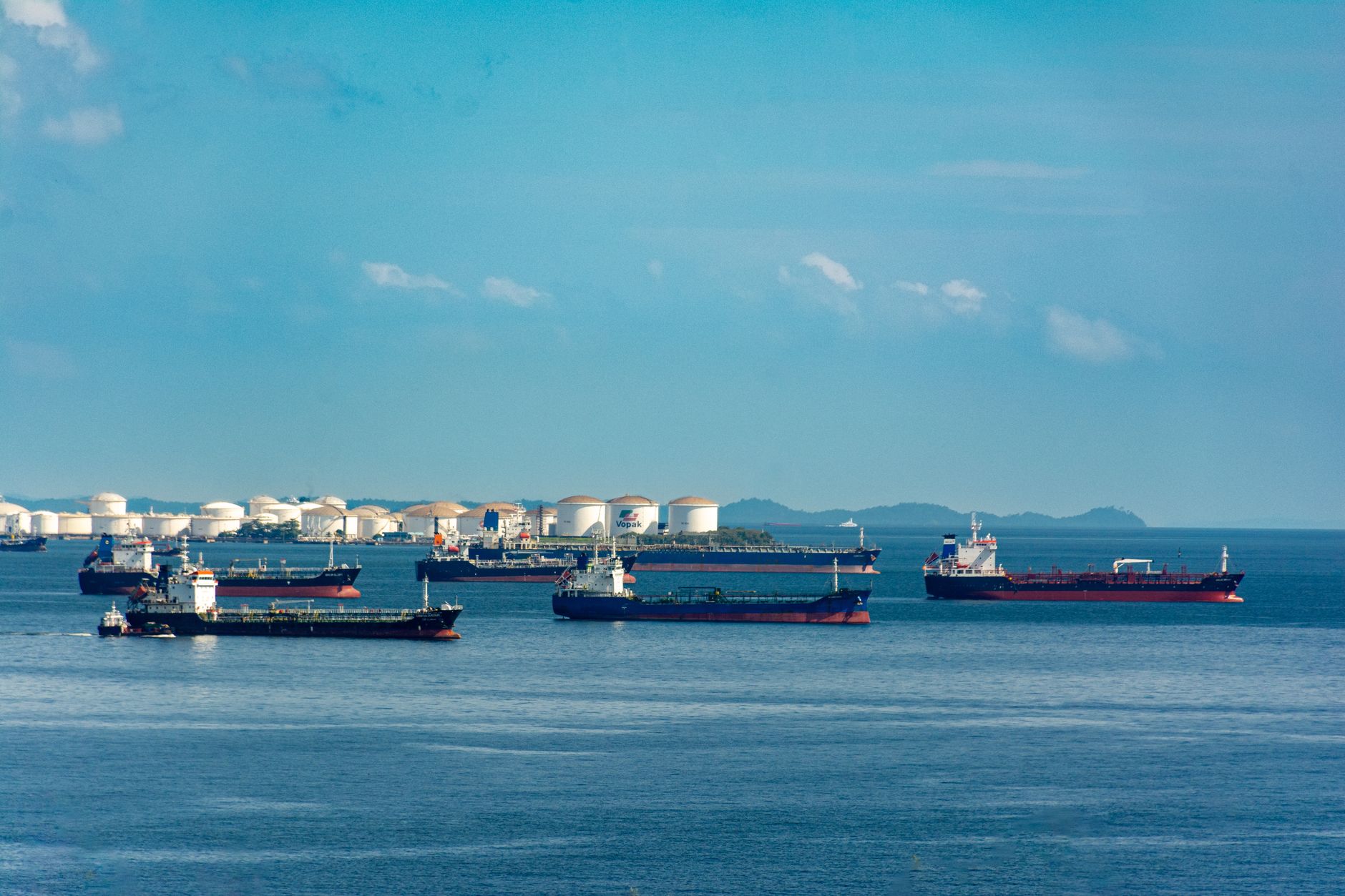
No deaths or injuries have been reported in the four incidents. UKMTO has not named who fired the projectiles, and no government has formally attributed the strikes, although Iran’s Islamic Revolutionary Guard Corps (IRGC) has openly warned that ships moving without its permission will be targeted.
Three UKMTO Warnings Published a Day Late
On Wednesday, September 30, UKMTO issued three separate warnings, numbered 144-26, 145-26 and 146-26, covering incidents from September 29, gCaptain reported. All three were classified as attacks and attributed to verified sources, but the time of each incident was listed only as “TBC.”
The warnings were thin on detail. The first said a crude oil tanker was “struck on its port side by an unknown projectile.” The second said a tanker transiting inbound “had also been hit by an unknown projectile.” The third said only that “a tanker had been struck.” UKMTO, a Royal Navy-backed center that relies on voluntary reports from ship masters, operators and authorities, did not identify the vessels or give damage, casualty or pollution details.
Which ships were hit
Shipping outlets filled in some gaps:
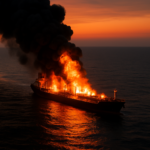
- Al Funtas: a 316,648-dwt Kuwaiti tanker built in 2014 and owned by Kuwait Oil Tankers, struck on the evening of September 28. The strike caused a fire that was reportedly extinguished, according to The Maritime Executive.
- Mersin Prosperity: a 299,319-dwt Liberian-flagged VLCC operated by ADNOC, which sustained damage on September 29.
- Sinbad: a 115,949-dwt Liberian-flagged crude tanker last reported at Fujairah, also damaged.
- Al Ruwais: named by shipping intelligence firm Marisks as the third September 29 vessel. Marisks described it as an oil products tanker managed by ADNOC Logistics & Services, while other reports described the third ship as an LNG carrier. That remains unsettled.
Marisks, as cited by OilPrice.com, said all three September 29 tankers were Liberia-flagged and sailing with transponders disabled. The extent of damage on each ship has not been made public.
Ships Running Dark Delay the Alarm
The delays point to a growing reporting gap in the strait. Al Funtas was transiting “dark,” without broadcasting its position, and did not report directly to UKMTO; security agencies learned of the strike through a late third-party notification, The Maritime Executive reported.
gCaptain noted that an attack on September 16 was not publicly reported until September 18, and that “more incidents are being added to the record after the fact,” leaving shipowners, crews and insurers with an incomplete picture.
The International Maritime Organization confirmed the Al Funtas incident, which brought its count of incidents in the wider Persian Gulf area to 86, with 24 confirmed deaths since the war began, according to The Maritime Executive.
IRGC Says It Strikes Ships Without Permission
Iran has not explicitly claimed responsibility for each of the four ships, but its statements leave little doubt about its intent. IRGC spokesman Brigadier General Hossein Mohebbi said vessels attempting to transit “without permission either will be targeted or will hit a mine,” The Maritime Executive reported. Iran also claimed it turned back 19 tankers over the preceding Friday and Saturday.
Mohebbi went further in remarks reported by Antiwar.com:
“There is a military confrontation in the Strait of Hormuz every 24 hours. For some time now, the US has not been responding.”
He also said: “We have been hitting small ships and preventing them from passing for a long time, but America does not respond.” Earlier in September, Washington had answered attacks with what NarwhalTV covered as the US “tanker for tanker” policy of striking Iranian tankers. That approach appears to have been set aside for now.
Ship attacks, not new missile barrages
The TradeWinds headline describes Iran launching “fresh strikes,” but the escalation is at sea rather than on land. According to GlobalSecurity.org’s daily war log, there had been no Iranian ballistic missile launches for a 22nd consecutive day and no drone attacks on host states for a 26th consecutive day as of October 1. The tanker strikes are the main sign that hostilities have not paused.
Oil Prices and Strait Traffic After the Hormuz Tanker Attacks
Brent crude stood at $97.80 a barrel early on September 30, according to International Business Times, the day after the second round of tanker strikes. NarwhalTV has tracked how Iran’s restrictive Hormuz plan has kept pushing oil higher.
Traffic through the strait remains a fraction of normal. The Maritime Executive counted 17 AIS-visible transits on September 29 and 16 on September 28. Gulf producers have adapted: Kpler data cited by Antiwar.com show Gulf crude exports excluding Iran back at pre-war levels, with 40 percent of shipments now bypassing the strait through pipelines, up from 17 percent before the conflict.
OilPrice.com cautioned that “operational risks remain and the Strait is not as open to traffic as many believe.”
Ceasefire Talks Continue Through Qatar
The attacks came as diplomacy inched forward. Iran received an official US response through Qatari mediators on September 30, and Foreign Minister Abbas Araghchi presented a framework calling for “a seven day ceasefire” to President Masoud Pezeshkian, International Business Times reported. GlobalSecurity.org said the disagreement centers on the order of steps, including reopening the strait, releasing frozen assets, lifting oil sanctions and ending port blockades.
President Donald Trump said on September 30 that Washington would decide “very soon” whether to strike Iran or keep negotiating. Until a deal is reached, the Hormuz tanker attacks show that merchant crews, many of them on ships flagged far from the Gulf, remain on the front line of the war.