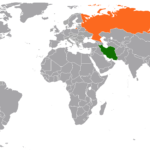
Oil prices rose on Thursday after Iran circulated a restrictive draft plan for governing traffic through the Strait of Hormuz, according to CNBC. The proposal, which surfaced amid talks mediated by Oman, would tighten the terms under which vessels transit the narrow waterway that carries roughly one-fifth of the world’s seaborne oil supply.
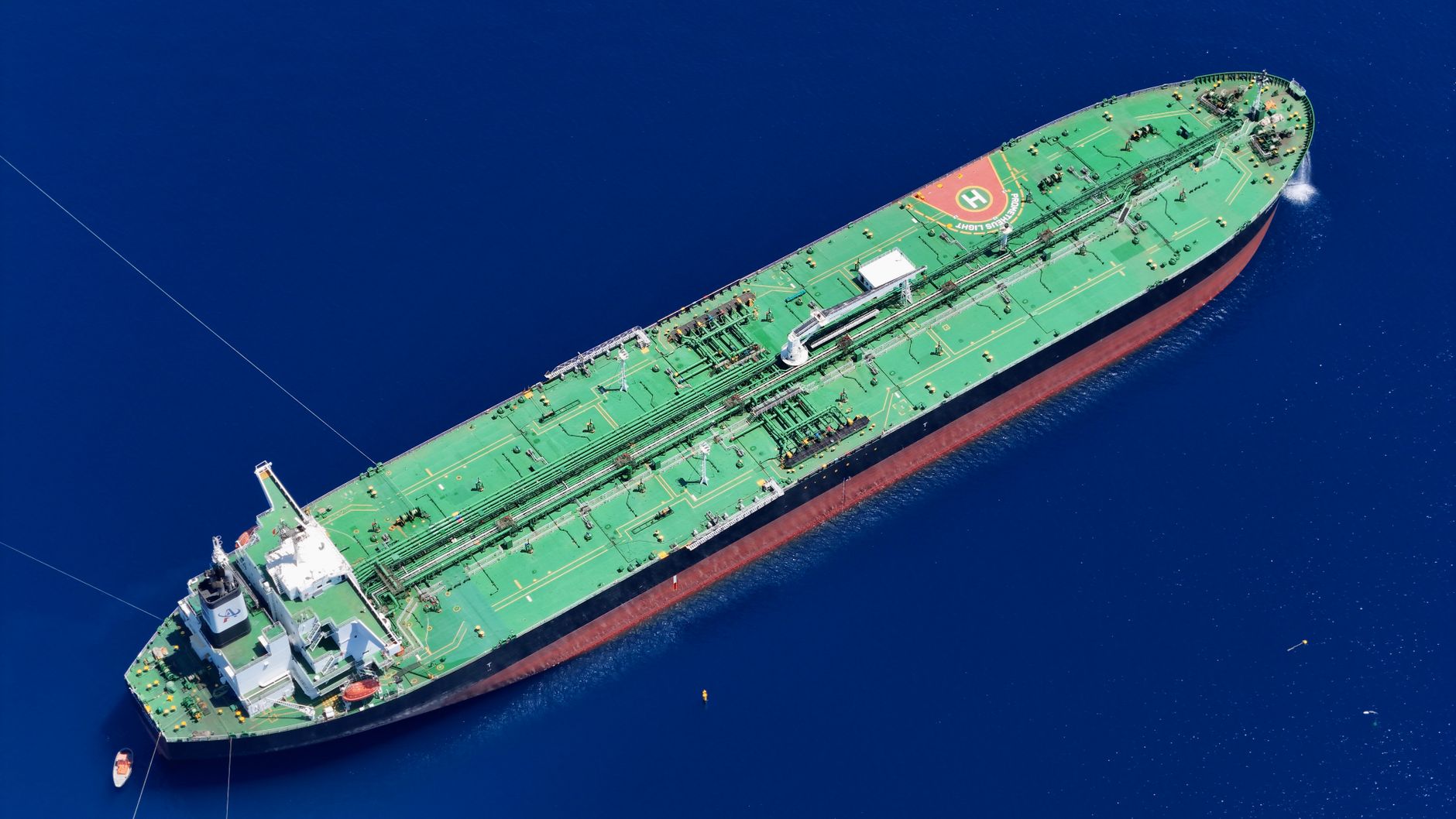
Benchmark crude futures climbed following the report, with traders citing renewed uncertainty over whether Iran intends to use its position along the strait as leverage in its broader standoff with the United States and regional powers. The Strait of Hormuz separates Iran from Oman and the United Arab Emirates and remains the only sea route out of the Persian Gulf for major oil producers including Saudi Arabia, Iraq, Kuwait and the UAE.
What the Draft Plan Proposes
Details of the document remain limited, but people familiar with the talks described it as an effort by Tehran to formalize conditions on foreign vessels transiting the strait, potentially including inspection protocols, notification requirements or restrictions tied to sanctions enforcement. Oman, which has long served as an intermediary between Washington and Tehran, has been shepherding indirect discussions aimed at de-escalating tensions following months of hostilities in the region.
Energy analysts caution that a formal restriction — even one falling short of an outright closure — could still rattle shipping insurers and tanker operators, who have already priced in elevated risk premiums for Gulf transit routes over the past year.
“Any move that adds friction to Hormuz shipping gets read by the market as a precursor to something worse,” one commodities strategist told CNBC. “Traders don’t wait to find out how restrictive the rules actually are in practice.”
Why Hormuz Matters
The Strait of Hormuz is barely 21 miles wide at its narrowest point, yet it is the conduit for the majority of oil exported from the Persian Gulf. Any sustained disruption — whether from mines, military confrontation, or new regulatory barriers — has historically triggered sharp price spikes, since alternative pipeline routes around the strait have limited capacity to absorb lost volume.
Iran has periodically threatened to close the strait during past periods of tension with Washington, though it has never followed through, in part because the move would also cut off its own oil exports and further isolate its economy. Thursday’s draft plan appears to fall short of a closure threat, but analysts say it signals Tehran’s willingness to use the waterway as a bargaining chip.
Tied to Broader Iran-US Tensions
The development lands against a backdrop of unresolved friction between Washington and Tehran over Iran’s nuclear program. Earlier this year, President Trump said he would cancel planned strikes on Iranian nuclear sites in exchange for a fast deal, but negotiations have since stalled. U.S. officials have more recently said no new talks with Iran are currently planned, despite the president’s earlier overtures, leaving the diplomatic track in limbo even as Oman continues its quieter mediation efforts.
That uncertainty has kept a persistent risk premium baked into oil markets for much of 2026. Prices had already surged earlier this year amid fears of direct confrontation between Iran, Israel and the United States, a rally that pushed U.S. gas prices toward $4 a gallon as crude costs filtered through to the pump.
Market and Consumer Impact
For American drivers, the immediate effect of Thursday’s news is likely to be incremental rather than dramatic, since the draft plan has not yet translated into any actual restriction on tanker movements. But energy economists note that gasoline prices tend to react quickly to headline risk out of the Gulf, even before physical supply is affected.
- Roughly 20 million barrels of oil per day move through the Strait of Hormuz, based on U.S. Energy Information Administration estimates.
- Major buyers of Gulf crude include China, India, Japan and South Korea, meaning a disruption would have global, not just American, consequences.
- Shipping insurers have already raised war-risk premiums for vessels transiting the strait multiple times over the past year.
Oman’s continued role as mediator offers some reassurance to markets that both sides remain engaged in dialogue rather than escalation. Still, traders are likely to watch closely for Tehran’s next moves, including whether the draft plan is formalized, revised, or shelved in the coming weeks.
What Comes Next
No timeline has been set for finalizing the proposal, and it remains unclear whether Gulf shipping operators or international maritime authorities will be consulted before any rules take effect. Analysts say the coming days will be critical in determining whether Thursday’s price move reflects a lasting shift in market sentiment or a temporary reaction to an as-yet-unconfirmed policy shift.
NarwhalTV will continue to follow developments in the Strait of Hormuz talks and their impact on global energy markets.