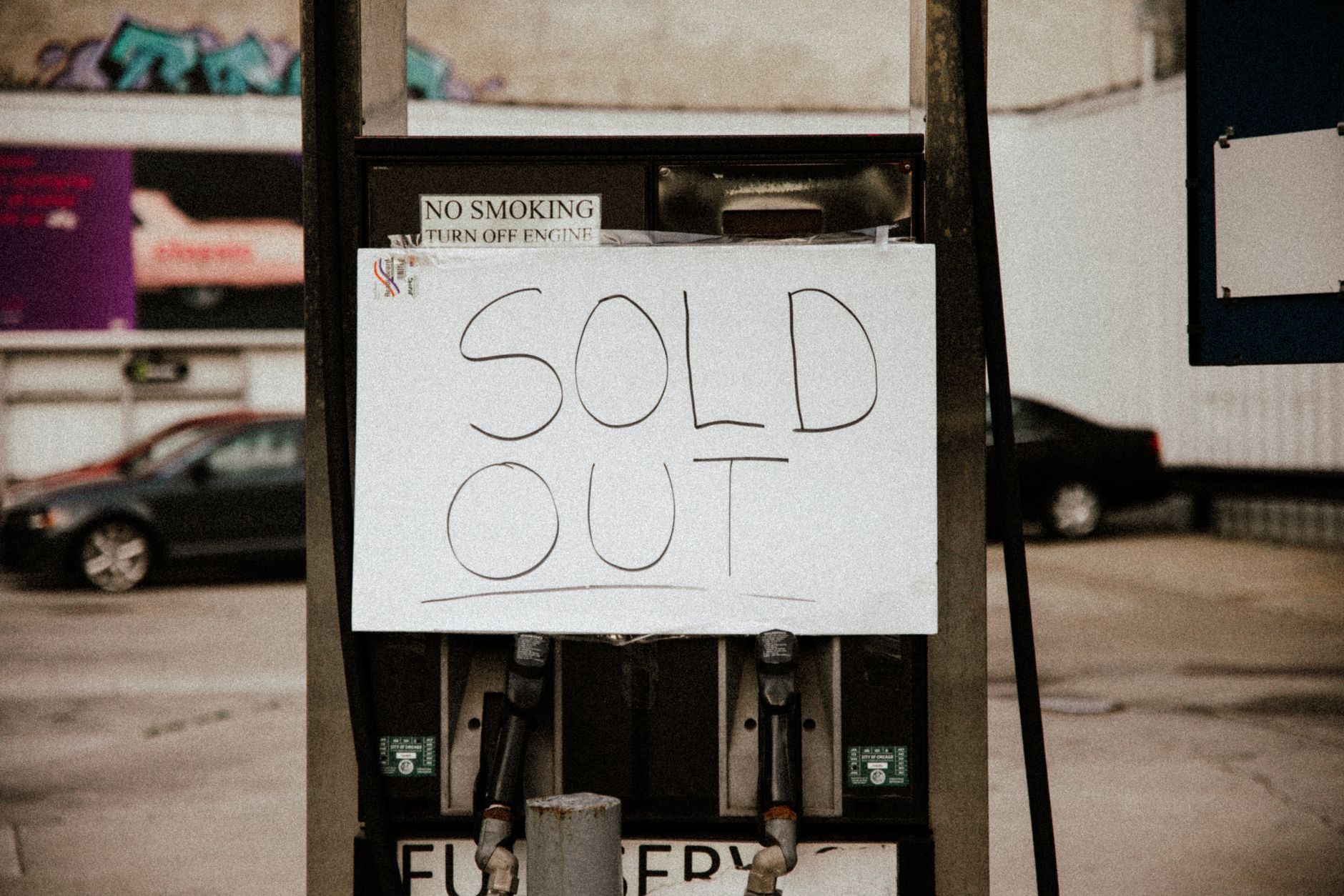
France is facing a deepening fuel shortage, with roughly one in nine service stations across the country reporting empty pumps as of September 20, 2026. President Emmanuel Macron convened an emergency meeting at the Élysée Palace on Sunday with the ministers of energy, transport and interior, along with representatives from major fuel distributors, to address the growing supply crunch.
Shortages Spread Beyond Urban Centers
According to figures released by France’s energy ministry, more than 11 percent of the nation’s roughly 11,000 service stations were either completely out of at least one fuel type or operating with severely limited stock over the weekend. The shortages, initially concentrated in the Île-de-France region around Paris, have since spread to parts of Normandy, the Rhône-Alpes region and several southern departments.
Long queues have formed at stations that remain stocked, with some drivers reporting waits of over an hour. Local officials in several regions have imposed temporary purchase limits, capping fuel sales at 30 to 50 liters per vehicle to prevent panic buying from further draining reserves.
What’s Driving the Crisis
French officials have pointed to a combination of factors behind the disruption. Maintenance shutdowns at two major refineries, combined with a slowdown in tanker deliveries to distribution depots, have reduced the flow of both gasoline and diesel into the retail network. Industry group UFIP Énergies et Mobilités has also cited rising global crude prices and logistical strain tied to broader instability in fuel markets.
The disruption echoes patterns seen elsewhere this year, as fuel price protests have erupted across multiple continents amid volatile energy markets. Rising jet fuel costs have separately forced airlines to scale back schedules, a trend detailed in a recent report on how airlines cut flights as jet fuel costs surge.
Macron’s Emergency Response
During Sunday’s meeting, Macron ordered the mobilization of strategic fuel reserves to prioritize supply to hospitals, emergency services and public transport operators. He also directed the interior ministry to work with regional prefects on coordinating deliveries to the hardest-hit areas and to monitor for price gouging at independent stations.
“We will not allow a logistics problem to become a crisis of confidence,” Macron said following the meeting, according to a statement from the Élysée. “Every effort is being made to restore normal supply within days, not weeks.”
The government has not ruled out requisitioning tanker trucks or invoking emergency powers to compel fuel distributors to prioritize deliveries to public-facing stations, a measure French authorities have used during previous supply disruptions, including strikes at refineries in past years.
Public Frustration Mounts
The shortage has fueled visible frustration among motorists and small business owners who depend on road transport. Trucking federations have warned that prolonged fuel scarcity could disrupt supply chains for perishable goods, while taxi and delivery driver unions in Paris have called for the government to guarantee priority access at select stations.
Opposition lawmakers have used the crisis to criticize the government’s energy policy, though officials from multiple parties have largely avoided overt politicization, instead calling for a swift, coordinated response. Consumer advocacy groups have urged transparency from fuel companies about the scale and expected duration of the shortage.
Broader Energy Market Pressures
France’s fuel troubles arrive amid a turbulent period for global energy markets. Oil prices have remained elevated through much of 2026, driven in part by geopolitical tensions in the Middle East that have also accelerated a shift toward electric vehicles in several markets, as outlined in a recent analysis of how the Iran conflict has fueled a global EV surge, notably excluding the United States.
Energy analysts note that France, which relies heavily on nuclear power for electricity generation, is less exposed to broader power-grid disruptions than some neighboring countries, but its refining and fuel-distribution network has shown vulnerability to short-term shocks this year.
What Happens Next
The energy ministry says it expects supply to stabilize within the coming week as reserve stocks are released and refinery maintenance work concludes. Prefects in affected regions have been instructed to publish real-time updates on station stock levels to help drivers locate available fuel and reduce unnecessary trips.
Macron’s office indicated a follow-up meeting with distributors and unions is planned for later this week to assess progress and determine whether additional emergency measures, including potential price caps, are necessary. For now, officials are urging the public to avoid panic buying, which they say has compounded the shortage in several regions.
The situation remains fluid, with government agencies continuing to monitor deliveries and consumer behavior closely as France works to restore normal fuel access nationwide.