Bill Gates is set to face questions from U.S. lawmakers as part of a congressional probe into the handling of the Jeffrey Epstein sex-trafficking case, according to a Reuters report published June 10, 2026. The inquiry is focused on how law enforcement and other institutions responded to — or failed to respond to — Epstein’s conduct before and after his 2008 plea deal.
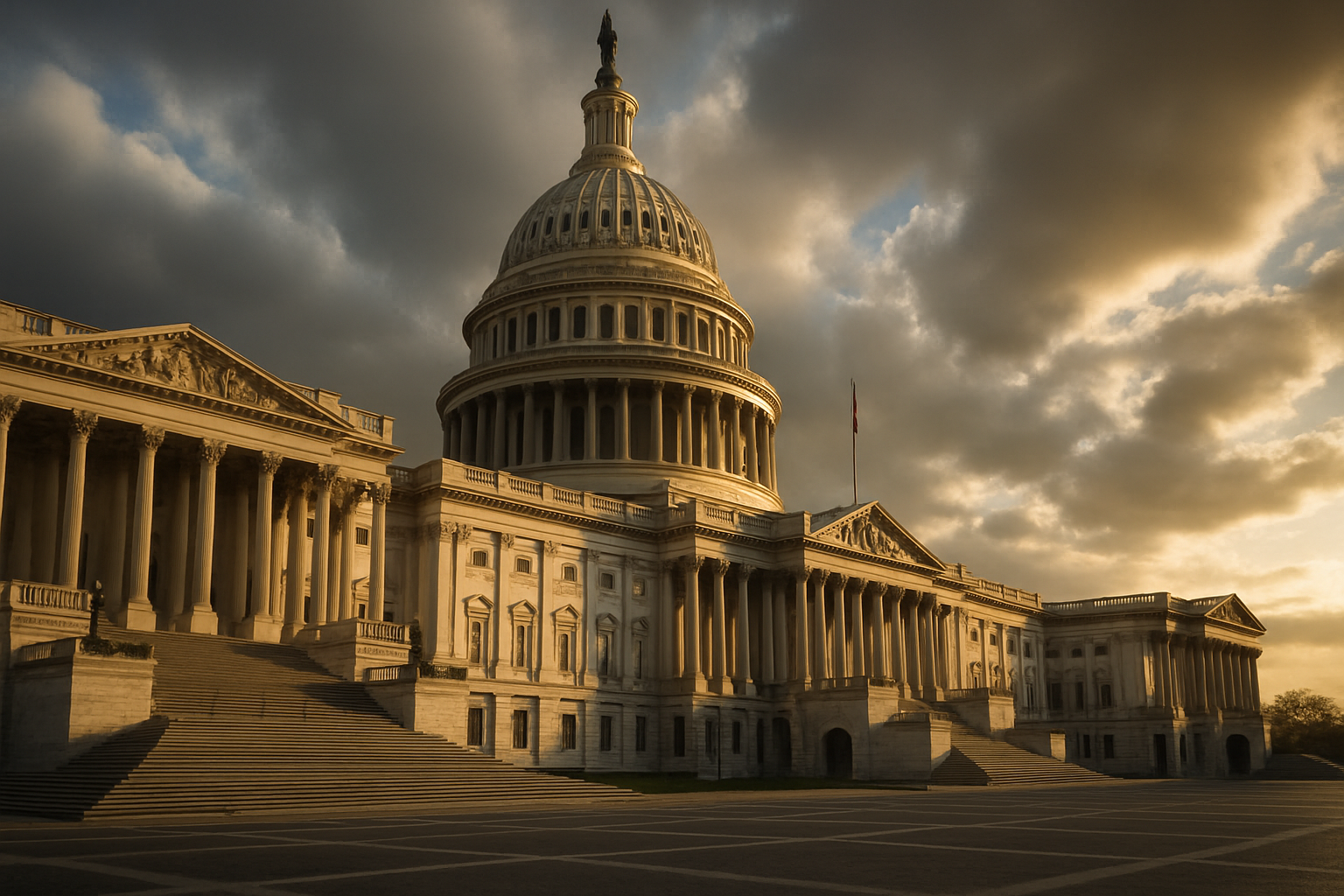
One non-obvious detail buried in the story: the congressional interest in Gates is not centered on allegations of wrongdoing by Gates himself, but rather on what he may know about the broader network of powerful individuals connected to Epstein and how institutions handled information about that network over the years.
What the Bill Gates Epstein Probe Is Actually About
The investigation is part of a wider congressional effort to scrutinize the government’s handling of the Epstein case — including the Justice Department’s 2008 non-prosecution agreement that allowed Epstein to serve just 13 months in a Florida county jail on state prostitution charges rather than face federal sex-trafficking counts. That deal, brokered under then-U.S. Attorney Alexander Acosta, has been a flashpoint for criticism across the political spectrum for years.
Lawmakers want to understand how Epstein maintained access to powerful figures long after warning signs emerged — and whether institutions that had information about his behavior took appropriate action. Gates, one of the world’s most prominent philanthropists and technology figures, has previously acknowledged meeting with Epstein on multiple occasions, describing those meetings as a mistake.
Gates has said he met Epstein starting around 2011 — years after Epstein’s 2008 conviction — and that the meetings were related to philanthropic fundraising. Gates has also stated that he regrets those meetings and that nothing inappropriate occurred.
A Pattern of High-Profile Congressional Scrutiny
The Epstein congressional investigation has been widening steadily through 2025 and into 2026, pulling in figures from finance, entertainment, academia, and tech. This is consistent with lawmakers’ stated goal of mapping out the full scope of Epstein’s influence network and determining whether any individuals or institutions actively helped shield him from accountability.
Appearing before lawmakers does not imply criminal liability. Congressional hearings can be fact-finding exercises, and witnesses are not necessarily targets of criminal investigation. Still, the political and reputational stakes for a figure of Gates’s stature are significant. His global health work — particularly through the Bill & Melinda Gates Foundation — has made him one of the most influential private actors in international development and public health policy.
The probe also raises broader questions about how institutions respond when powerful, wealthy individuals are credibly accused of misconduct. Those questions are at the heart of ongoing public debate about accountability and the justice system’s treatment of the ultra-wealthy — a theme that has driven sustained public and media interest in the Epstein case since investigative reporting by the Miami Herald reignited scrutiny in 2018.
What Happens Next
No specific hearing date has been publicly confirmed as of the Reuters report. It remains unclear whether Gates will testify publicly or in a closed session, and whether he will appear voluntarily or under subpoena. His representatives have not issued a detailed public statement on the matter.
Congressional investigators working on the Jeffrey Epstein investigation have broad authority to call witnesses and compel documents. Any testimony Gates provides — whether in a public hearing or in private — would become part of the congressional record and could inform future legislative or oversight action.
For the public, the probe is part of a longer reckoning with how Epstein operated for decades without facing serious federal consequences. The scrutiny of powerful institutions and their accountability has been a recurring theme in Washington over the past several years, and the Epstein case remains one of the most politically charged examples of that broader concern.
As the Gates testimony process moves forward, expect further reporting on which other figures may be called and what documents congressional investigators are seeking. The scope and timeline of the probe are both likely to expand before any final findings are released.
- Who: Bill Gates, U.S. congressional investigators
- What: Probe into the handling of the Jeffrey Epstein case and related networks
- Context: Gates has previously acknowledged meeting Epstein and called the meetings a mistake
- What’s next: Hearing date and format (public vs. closed session) still to be confirmed
Follow NarwhalTV for updates as the congressional calendar fills with high-profile oversight hearings this summer. The Epstein case hearing, whenever it is scheduled, is expected to draw significant public attention.